Overview
My team and I developed a portable, durable solar-powered lighting solution for Moyamba and Kono Districts, enabling adults to extend their productive hours, children to study after dark, and families to reduce their dependence on toxic kerosene lamps. Through immersive ethnographic research and participatory design with local communities, our work challenged traditional approaches to rural development, delivering an integrated solar lantern that provides up to 20 hours of sustainable light. The project has improved educational outcomes, agricultural productivity, and economic opportunities while reducing household expenses for families living on less than $1.25 a day. The project secured $90,000 in funding for implementation and development.
Research & Design
Ethnographic research · Human-centered design · Solar integration engineering · Participatory community co-design · Sustainable development strategy
- Duration: March - June 2017
- Partners: University of Utah, Local Village Chiefs, Sierra Leone Ministry of Education
- Team: Fas Lebbie, Samuel Murray, Nick Jones, PC Robert Coker
WHAT I BROUGHT
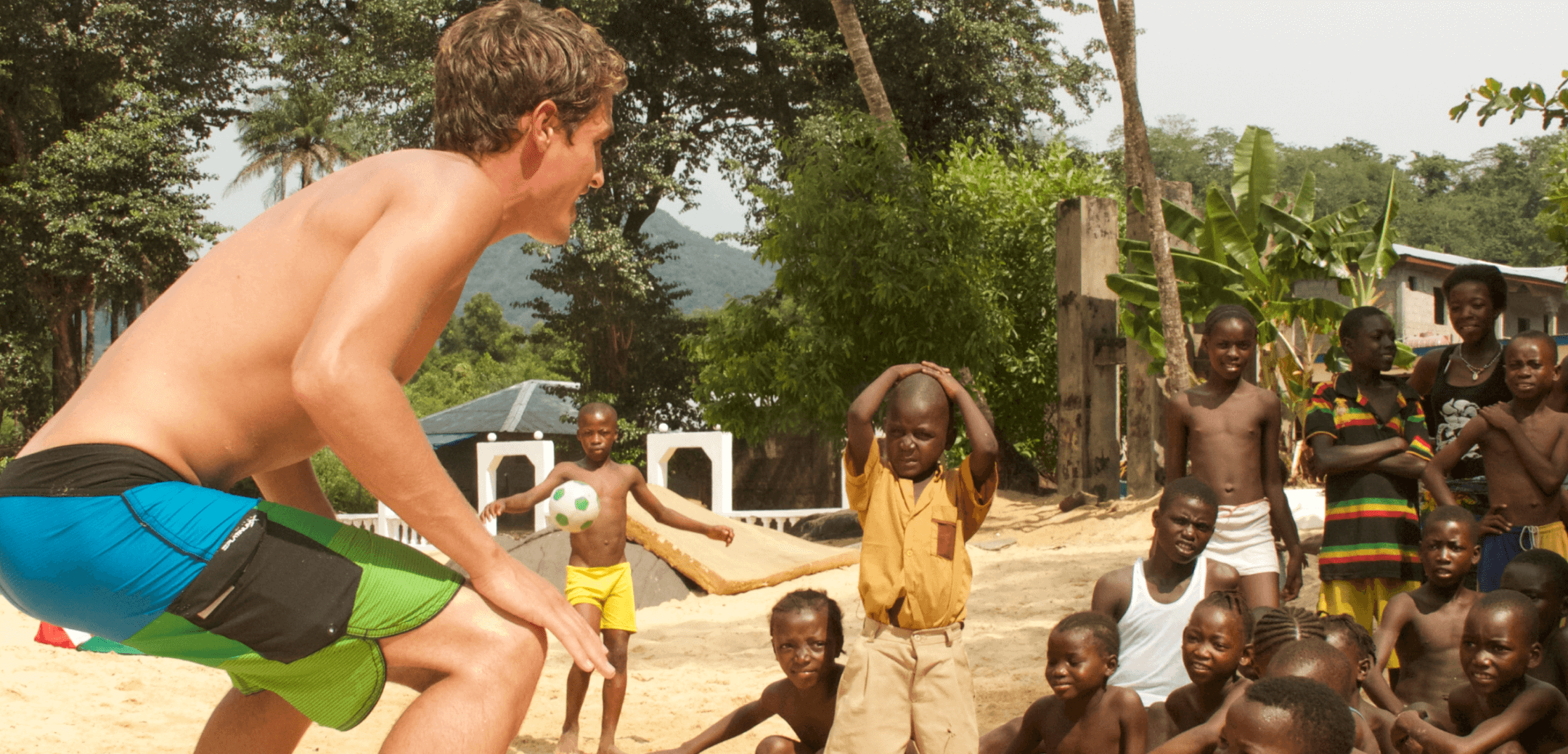
I conducted extensive ethnographic field research across four rural villages, interviewing thirty-four community members using human-centered design methodology.
I led conceptual designs from low-fidelity prototypes to the final product, field-testing durability features in actual contexts, and delivered an integrated lantern solution that provides twenty hours of sustainable lighting per charge.
I facilitated participatory co-design workshops with participants, specifically community stakeholders, challenging traditional development approaches by positioning local residents as expert co-designers.
Problem Context
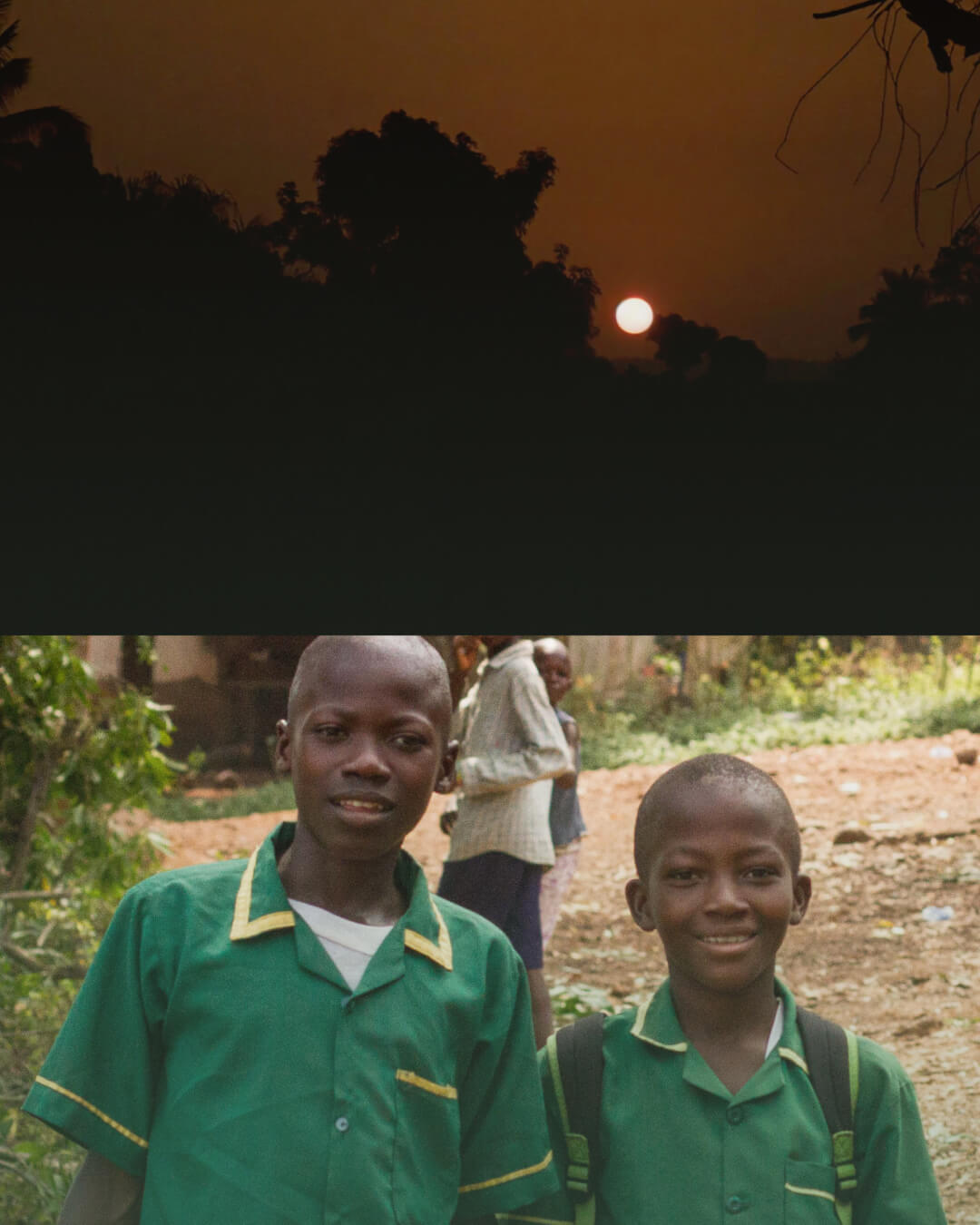
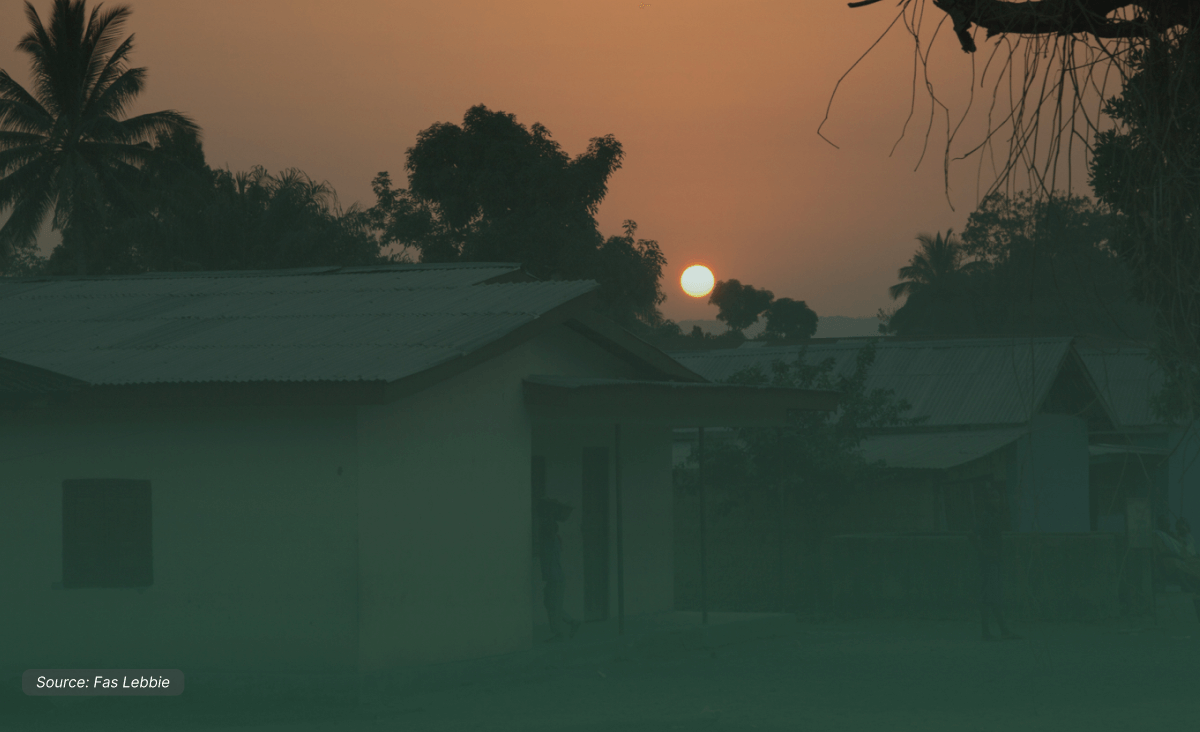
Over 600 million people across Africa lack access to reliable electricity, with rural communities in Sierra Leone’s Kono District experiencing some of the most severe impacts. When darkness falls around 5 p.m., all productive activity effectively comes to a halt. Farmers must abandon their crops (leaving them vulnerable to wildlife), students cannot complete homework, and families resort to expensive kerosene lamps that consume up to 35% of household income while filling homes with toxic fumes. These conditions create a cycle of limited productivity, educational disadvantage, and health risks. Traditional infrastructure solutions remain decades away for these communities; yet, each day without light represents a lost economic opportunity and hindered educational development. The challenge highlights a critical gap between the basic infrastructure needs of residents and the available resources in regions where most people live on less than $1.25 a day. This situation presented a unique opportunity to apply human-centered design to create an accessible, sustainable solution that could immediately improve people’s quality of life while respecting their local contexts and constraints.
My Approach
Key philosophy in my engagement was designing with the community, not for them. We became embedded with the community, positioning members as expert co-designers rather than beneficiaries. This facilitated the design of locally sustainable and appropriate solutions.
Design Process
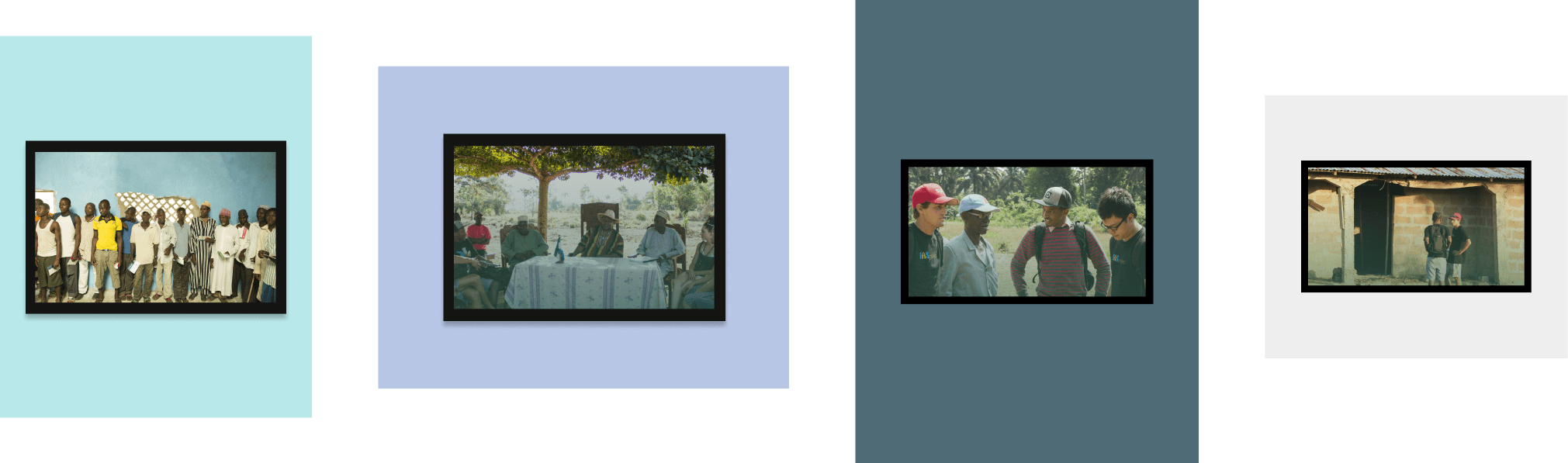
Our research employed multiple ethnographic methods to understand lighting needs within the context of significant infrastructure challenges. In the Kono District, communities typically transition to complete darkness after 5 p.m., and they have limited options for artificial lighting beyond expensive and hazardous kerosene lamps. Initial assessments revealed that existing solar solutions were either too expensive, impractically designed, or failed to address the specific needs of rural users. We conducted individual interviews with 34 community members across four villages, organized group discussions with village chiefs and elders, and facilitated women-only sessions to address gender imbalances in mixed groups. We identified key stakeholder groups through preliminary conversations and secondary research, including students, farmers, women managing households, and village leadership structures. To complement these formal methods, team members lived in households without electricity, gaining firsthand experience of the challenges posed by limited lighting. This immersive approach revealed nuanced insights, such as how farmers use light to protect crops from wildlife and how women prioritize lighting for cooking and childcare. Early participants helped shape our research questions by framing them around actual usage contexts, affordability constraints, and sustainability requirements. We also consulted with technical experts at the University of Utah and the Sierra Leone Ministry of Education to understand broader contextual factors and feasibility constraints. Our research revealed that successful solutions must simultaneously address multiple use cases, be completely self-contained, and require zero ongoing costs.
Our research identified several key opportunities to address lighting challenges in rural Sierra Leone. While communities lacked electricity, they had strong solar resources with 5-7 peak sun hours daily. Existing lighting solutions, primarily kerosene lamps, consumed 25-35% of household income, making these lamps both expensive and hazardous due to the toxic fumes they emitted. Interviews revealed that 88% of parents believed inadequate lighting had a negative impact on their children’s education, as students were unable to complete their homework after sunset. Farmers reported losing 15-20% of crops to wildlife because they couldn’t monitor their fields after dark.
Furthermore, our immersive research highlighted that 80% of development resources are typically allocated to urban areas, leaving rural communities further behind. We found that previous solar solutions had largely failed due to the use of separate panels and light components that were easily damaged or lost, complicated charging systems, and a lack of durability in agricultural contexts. Critically, we identified that successful solutions needed to serve multiple contexts, from illuminating household activities to supporting educational needs and enabling agricultural work rather than being designed for a single use case.
Our prototyping process involved drawing simple conceptual models. My team and I discussed using local materials, but we decided that would require further testing and additional innovation. Due to time constraints and project scope, we focused on using materials already in the industry landscape. Key features, such as adaptable mounting, simple controls, and durable construction, were field-tested in actual-use environments — including farms, homes, and schools — to ensure real-world functionality. The $90,000 funding was allocated for implementation and pilot deployments in four villages, which were coordinated through local leadership structures. These leadership committees, established by paramount chiefs, facilitated the distribution of resources, provided maintenance training, and collected feedback. Throughout implementation, we emphasized local ownership and capacity building. We trained community members in maintenance while developing relationships with regional suppliers for replacement parts, such as Guinea and Gambia. This approach ensured the solution would remain sustainable after our direct involvement ended.
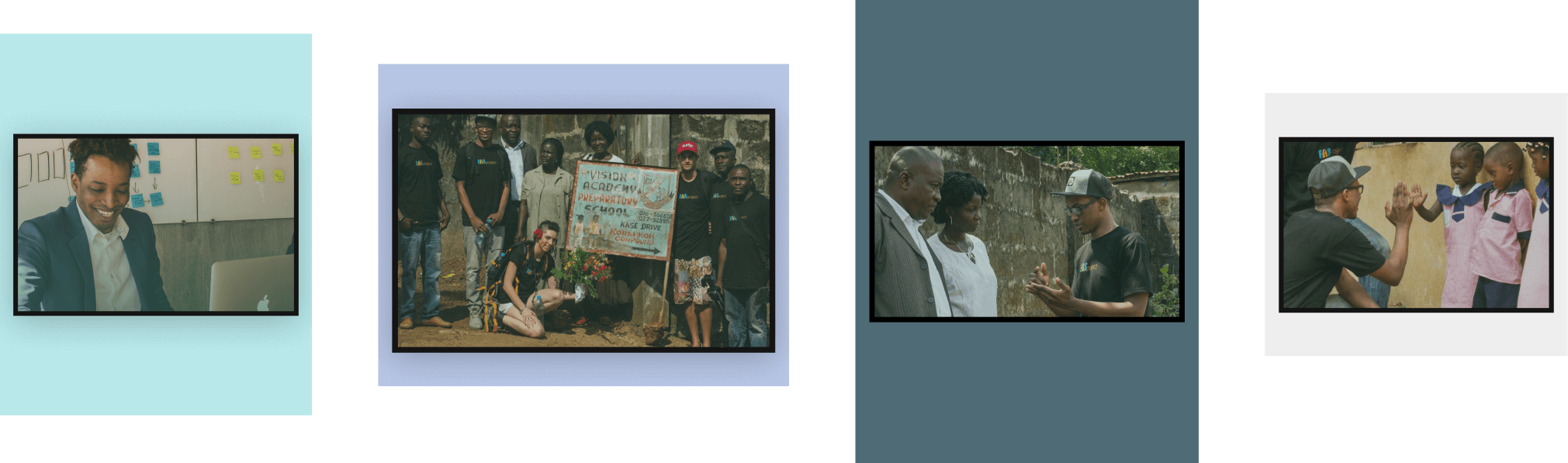
Community-Led Research
Engaging local stakeholders through interviews and collaboration to co-create meaningful, community-driven impact and solutions.

Design Interventions
Solar Lantern Solution
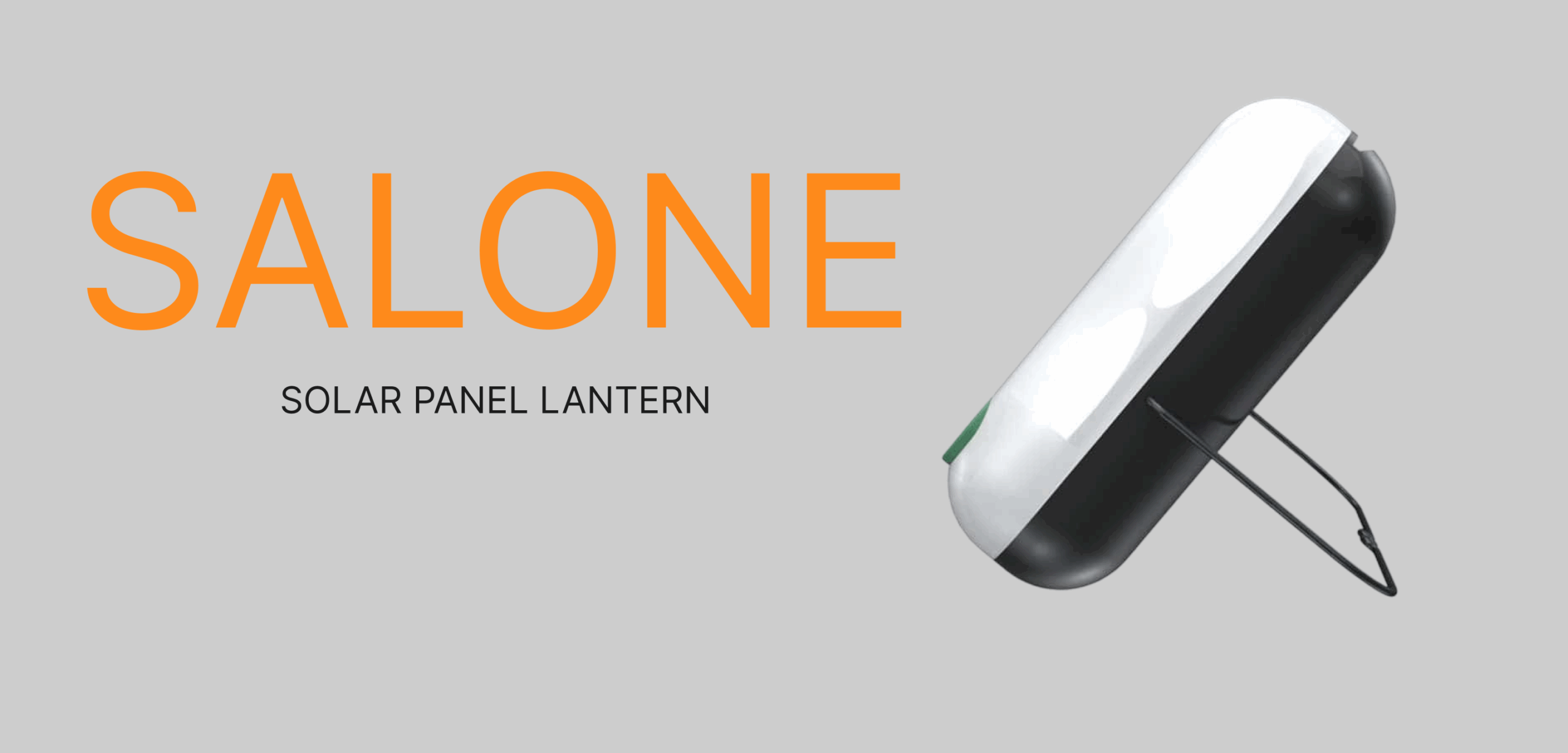
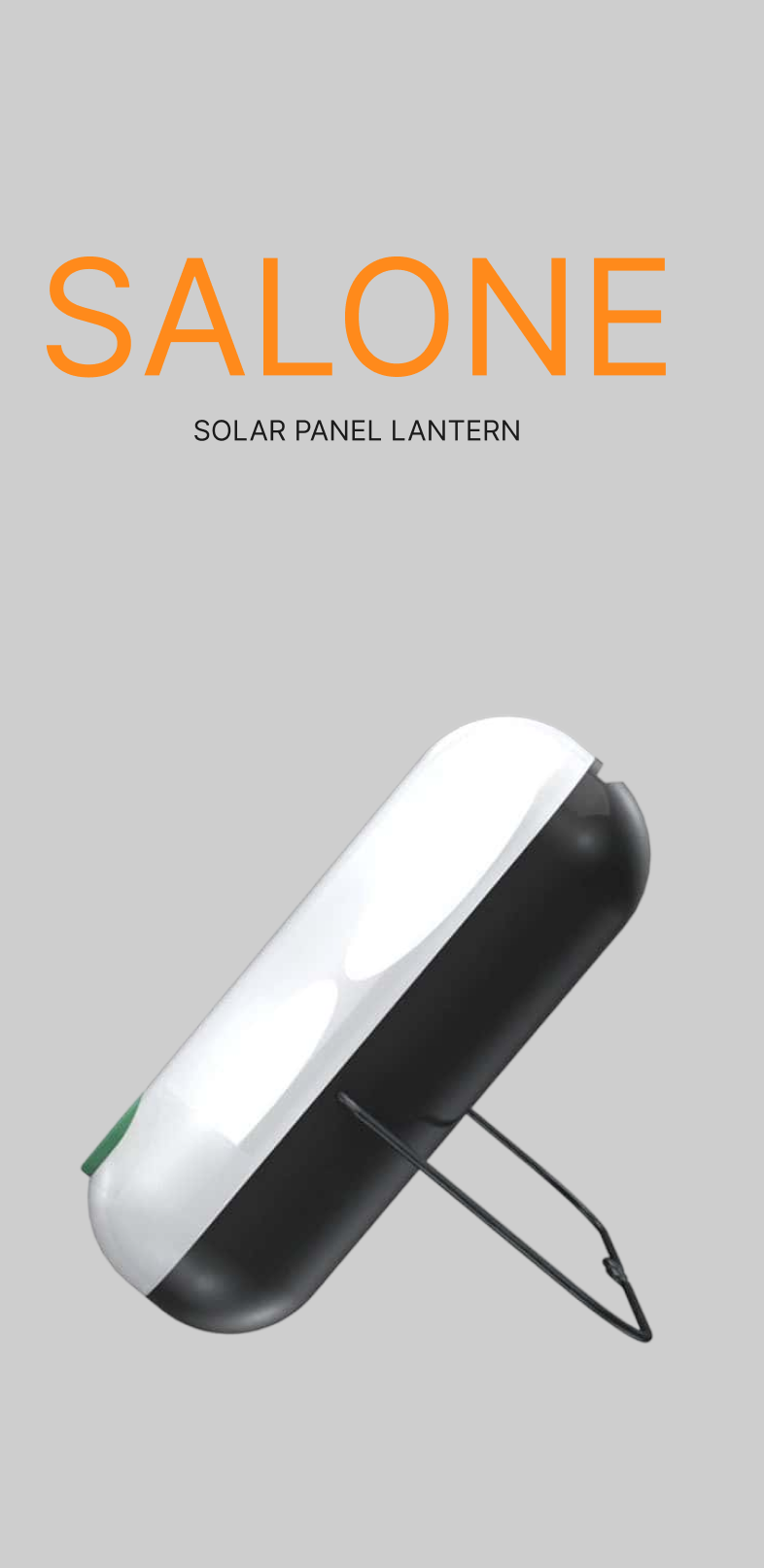
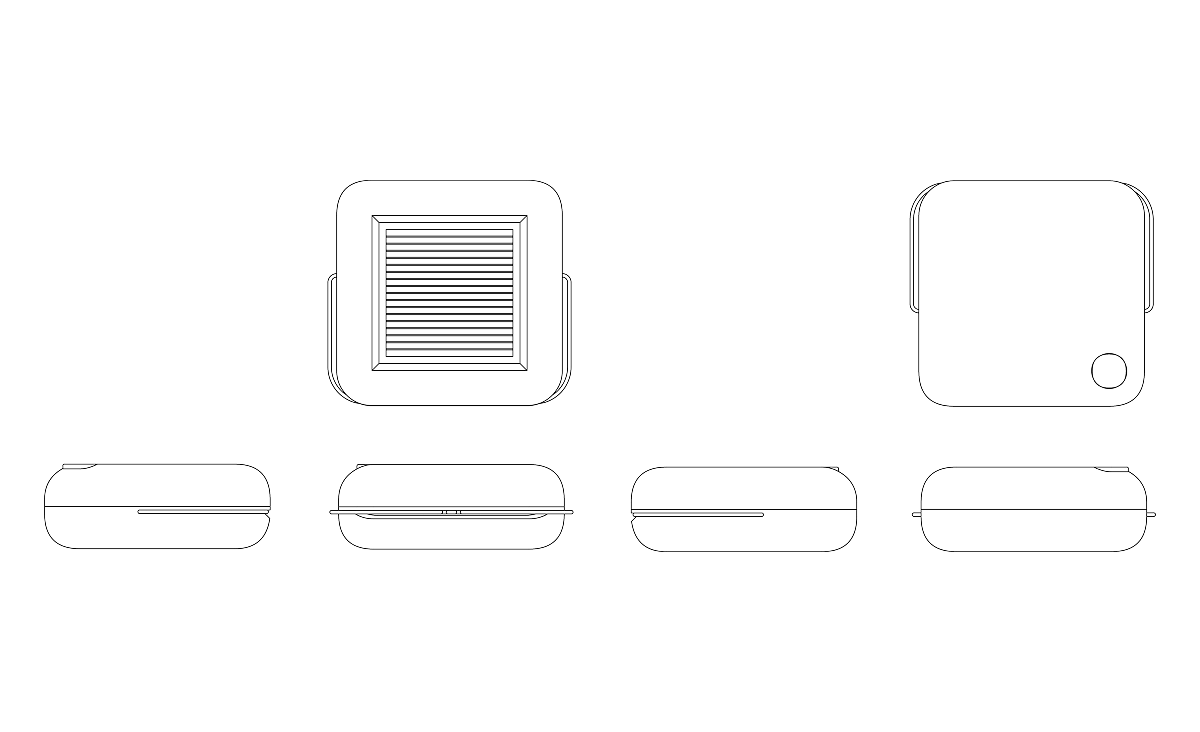
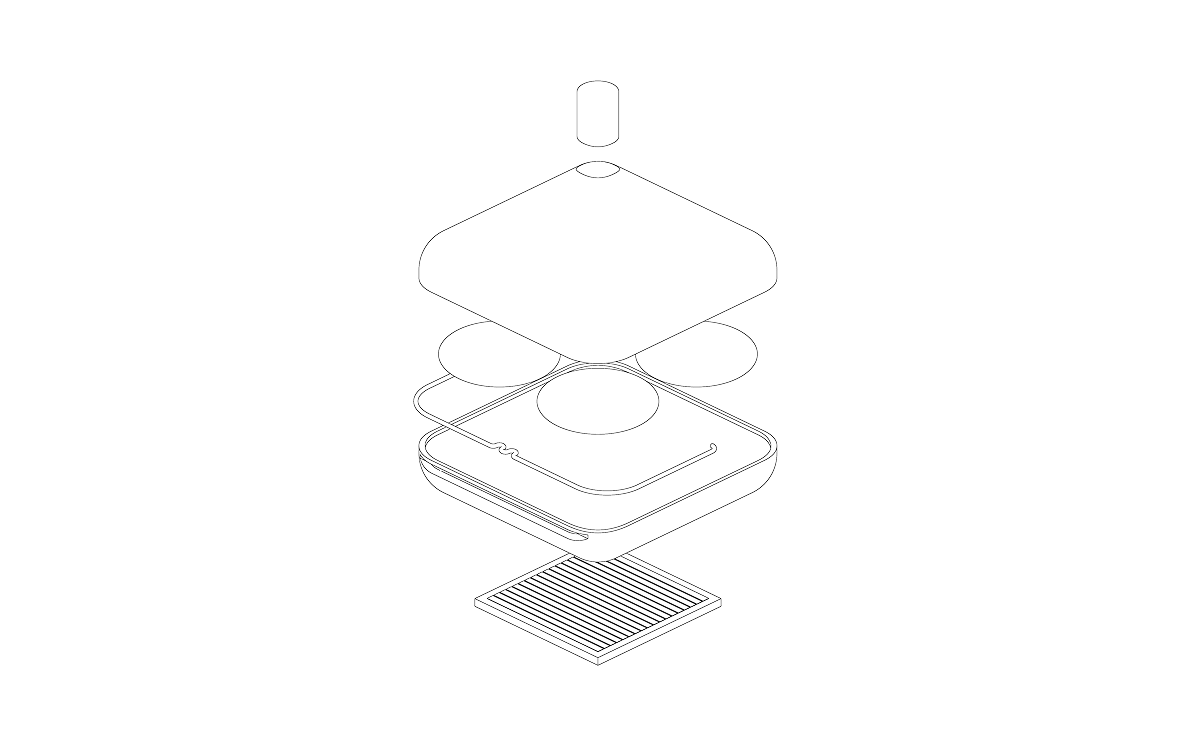
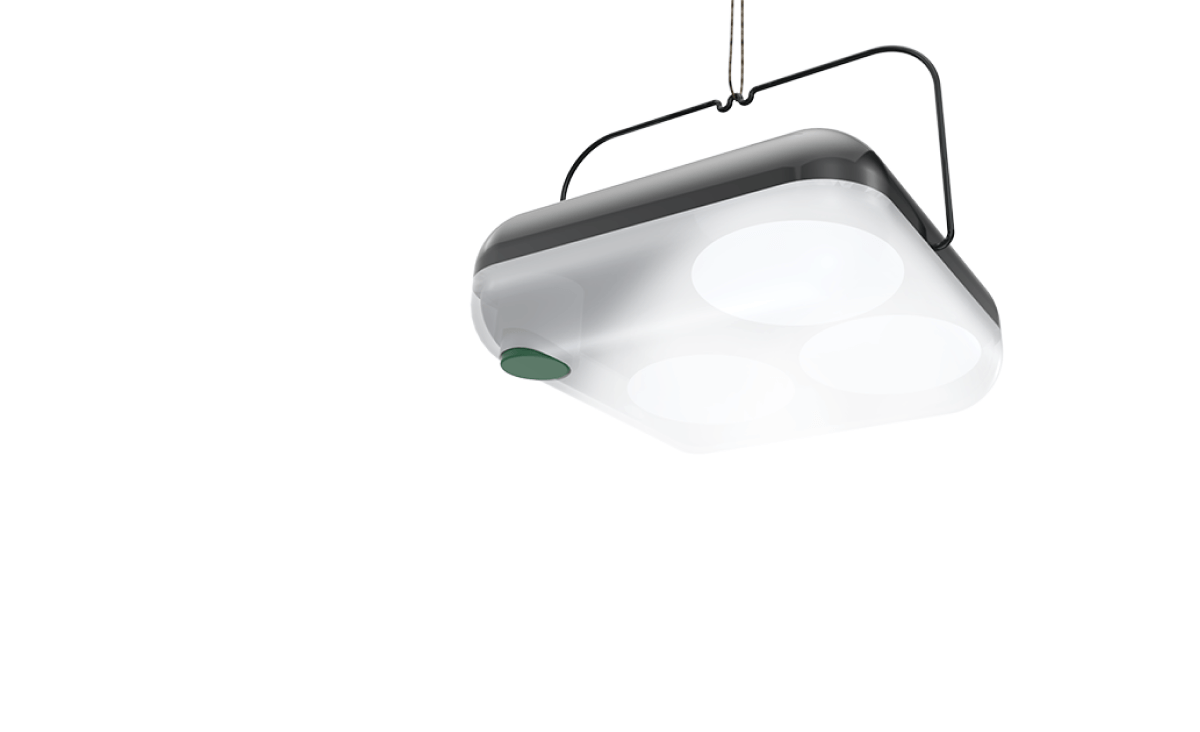
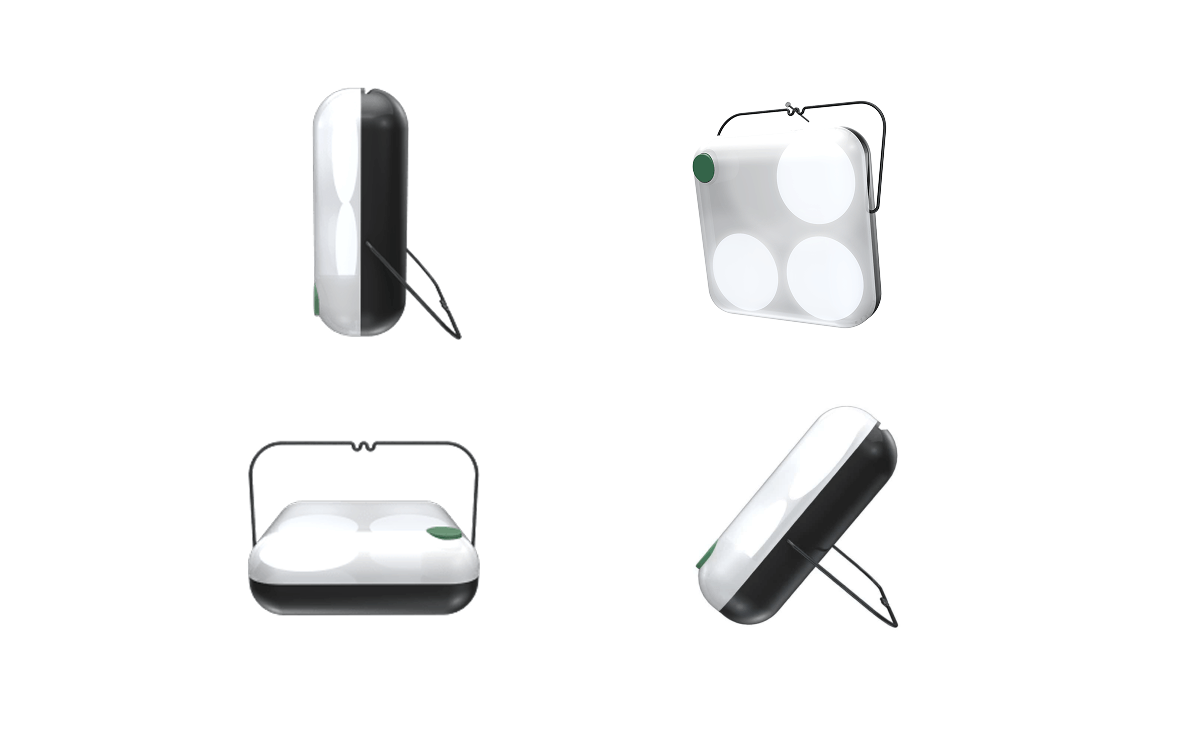
We developed the Salone Solar Lantern through participatory design with community members. This durable, portable solution provides 12-20 hours of reliable lighting per charge, featuring multiple mounting configurations for farming, household tasks, and studying. The integrated design completely eliminates recurring kerosene costs while serving diverse contexts across four villages.
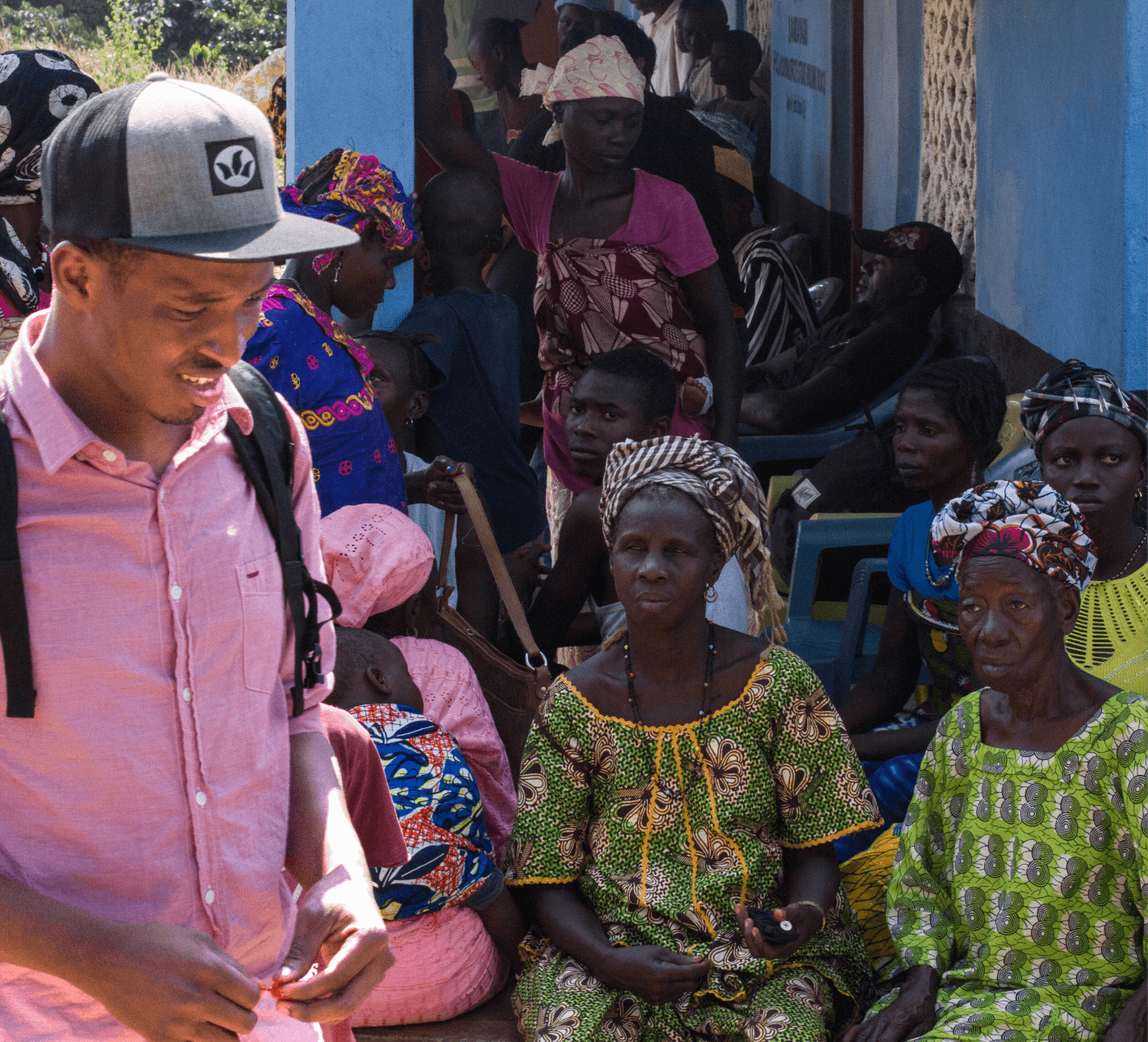
Participatory Co-Design
Collaborative workshops with local communities, designing with rather than for, ensuring inclusive, meaningful, co-created solutions.
Funding Raised
Secured financial support for implementation, research, and pilot deployment across targeted rural communities.
Villages Served
Lighting and infrastructure solutions were deployed in Kono and Moyamba Districts, reaching families living on less than $1.25 daily.
Reflections & Impact
The Salone Solar Lantern project delivered results for rural Sierra Leone communities, enabling children to study after dark and adults to extend productive agricultural hours. Families redirected 25-35% of household income previously spent on toxic kerosene toward education, nutrition, and microenterprise development. The participatory design methodology employed in materializing the integrated solar technology and community capacity-building demonstrated how community members can be expert co-designers rather than passive beneficiaries, and how immersive ethnographic research, combined with human-centered design, can create culturally appropriate and locally sustainable solutions.
Next Steps
- Document participatory design methodology for NGO and development organization adoption.
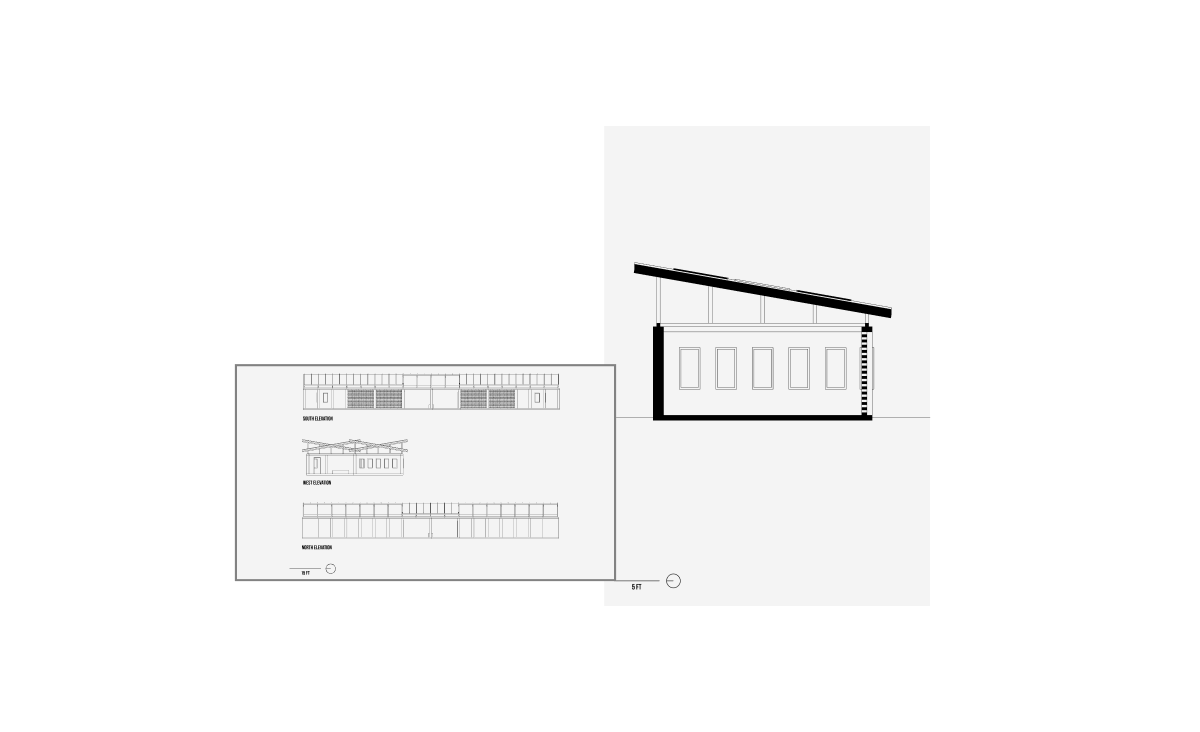
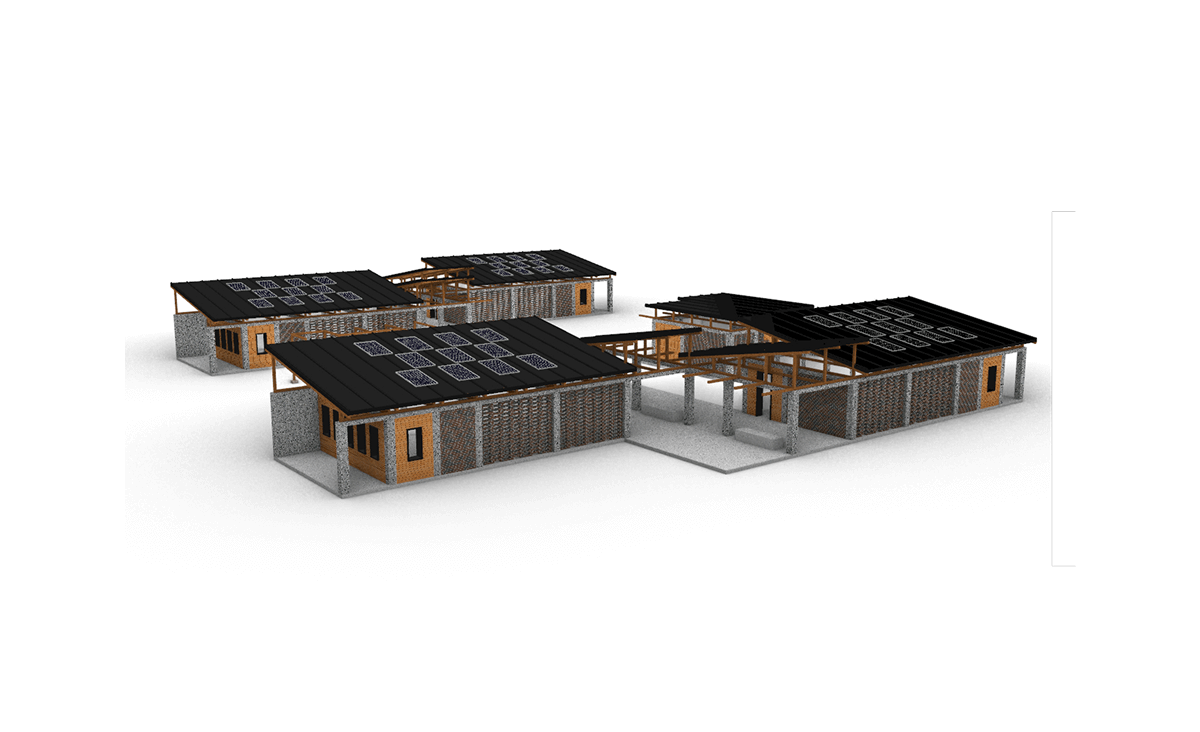
- Explore solar integration with proposed modular educational facility designs and viability.
- Establish local manufacturing partnerships in Guinea and Gambia for sustainable supply chains.
- Develop maintenance training programs for local-level technicians.