
Overview
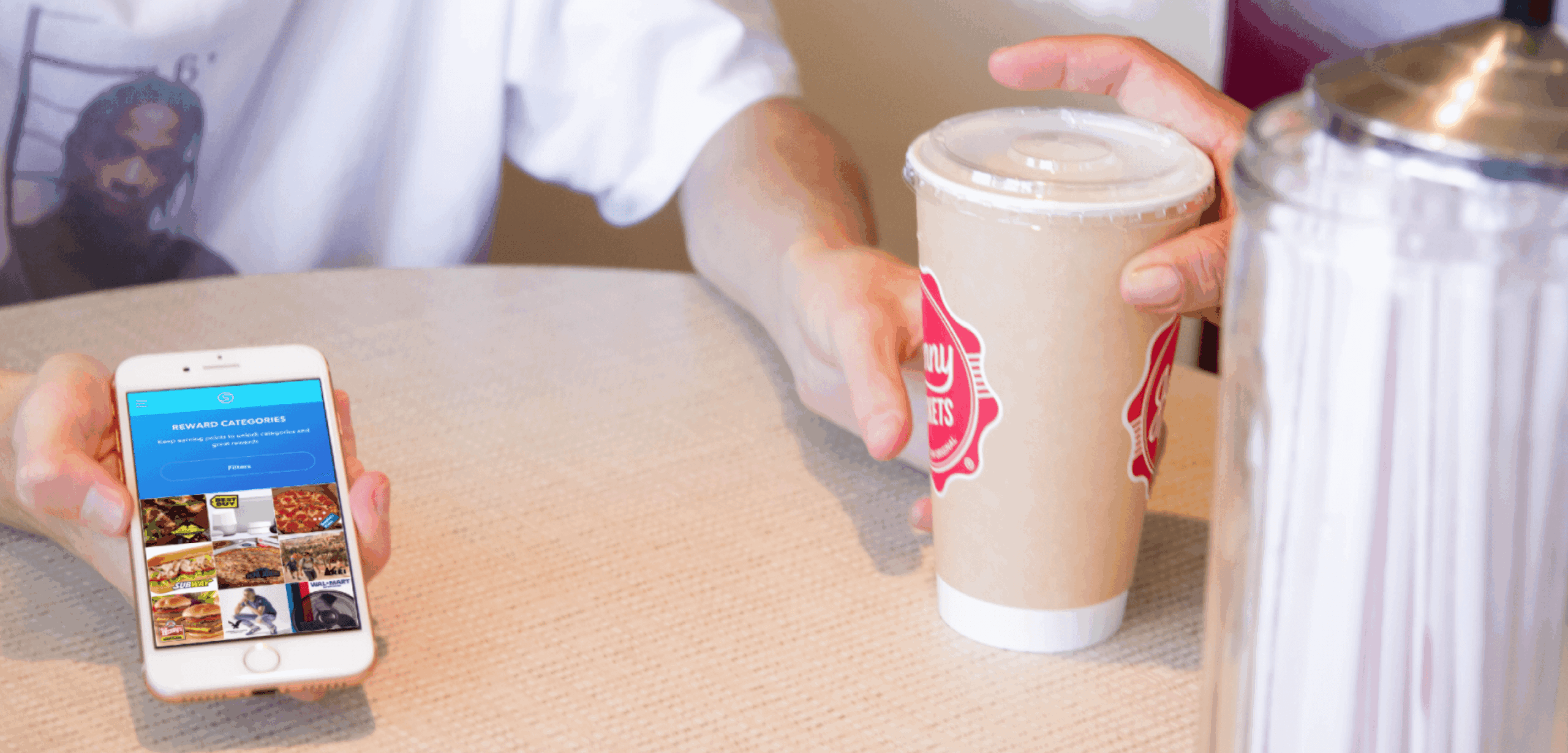
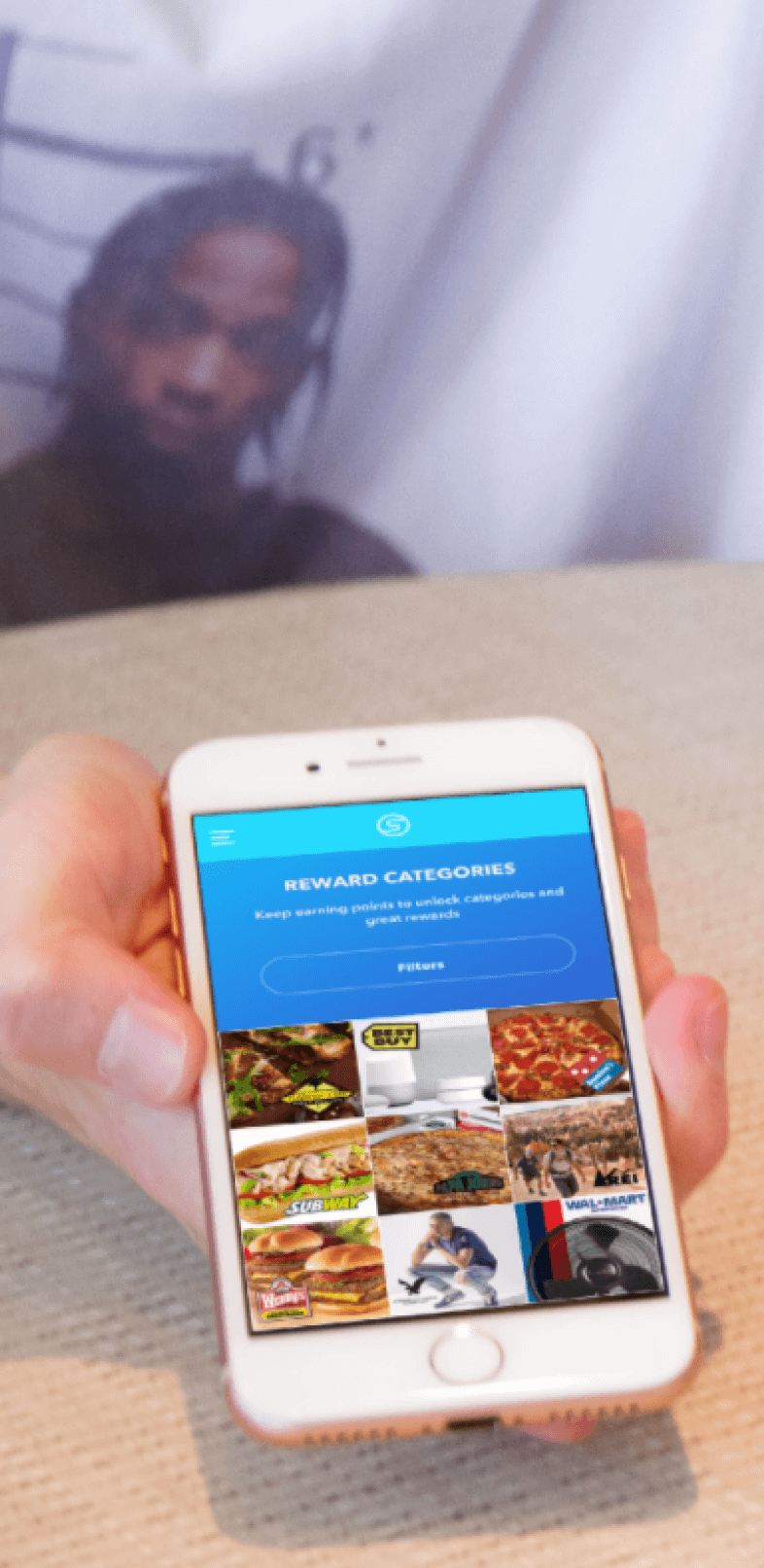
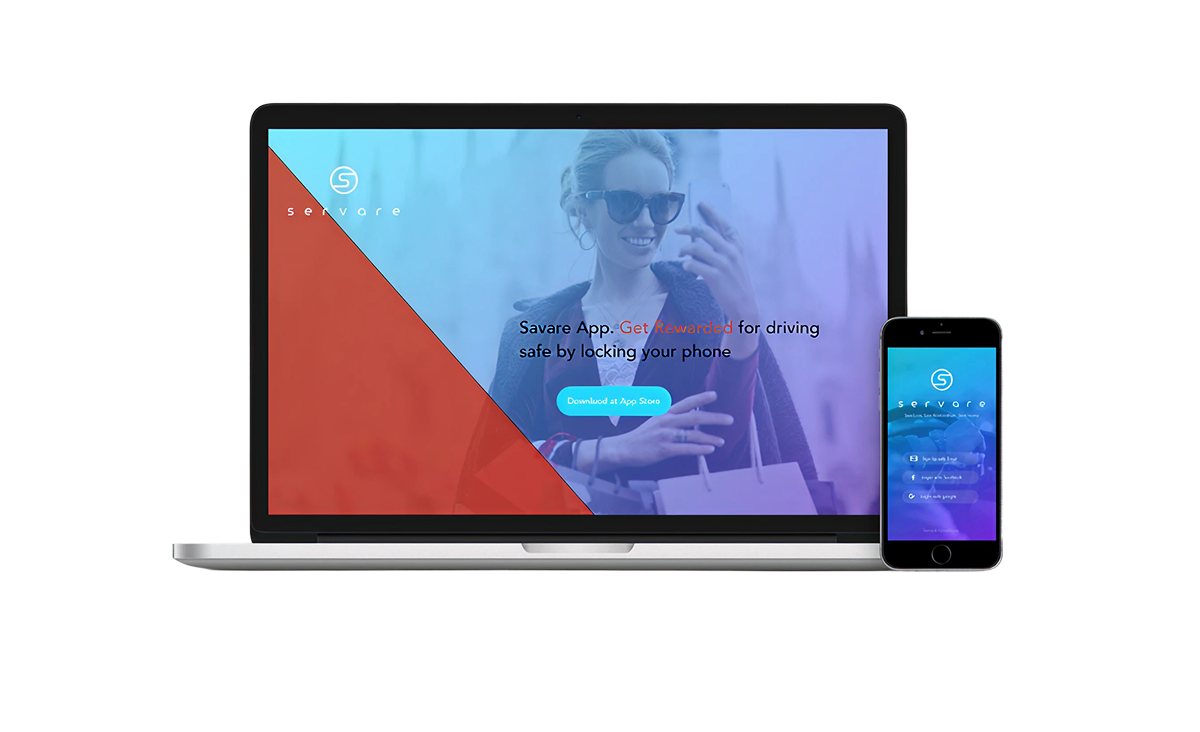
Servare is a mobile application designed to promote digital wellness by rewarding users for not using their cell phones while driving or while spending time with their loved ones. Servare’s founders recognized that cell phones have significantly altered how people interact, and they believe that communities across the country could greatly benefit from encouraging individuals to turn away from their screens from time to time. The app incentivizes users to lock their phones by offering rewards from a variety of businesses in return for staying focused. The app integrates with businesses to create a points-based reward system, immediately gratifying responsible behavior.
Research & Design
Design research · Mobile-first product design · Mixed-methods user research · Art direction · Brand storytelling · MVP strategy
- Duration: March–July 2018
- Partners: University of Utah
- Team: Fas Lebbie, Andy Lewis, Strauss Western, Spencer Bowen, Abby Western
Confidentiality: To protect Servare's intellectual property, some data and features in this case study have been modified. All insights and outcomes reflect my personal design work while respecting partner privacy.

WHAT I BROUGHT
I led design research and synthesis activities to uncover user needs and inform strategic direction. This included mixed-methods research, competitive analysis, and identifying behavioral insights that shaped product decisions and positioning.
I defined mobile-first design flows, prototyped core interactions, and translated business goals into usable MVP features. My focus on usability and technical feasibility helped teams make fast, iterative product decisions.
I developed brand narratives and visual systems, guiding art direction and storytelling to align product experience with emotional resonance. I worked closely with marketing, PMs, and engineers to maintain cohesion across touchpoints.
Problem Context
The current smartphone usage patterns in America present significant challenges. Distracted driving causes approximately 500,000 injuries and 3,477 deaths annually, creating an economic impact of $175 billion. Research indicates that Americans check their phones every 6 minutes on average, approximately 150 times per day, accumulating roughly 3 hours of daily screen time. This behavior is particularly concerning while driving or during important social interactions. Traditional approaches to curbing digital distraction rely primarily on fear-based messaging or simple blocking mechanisms, which have proven ineffective at creating sustained behavioral changes. Meanwhile, no reward structure exists for those who practice safe driving habits or digital restraint during social moments. This issue highlights a gap in how digital wellness is approached, especially for the demographic of drivers aged 18-35 who show the highest rates of phone usage while driving.
My Approach
I combined behavioral research, mobile UX, and incentive design to create a reward-based experience that transforms distracted driving habits into moments of focus. I mapped user journeys, facilitated workshops, and connected short-term wins to long-term vision.
Design Process
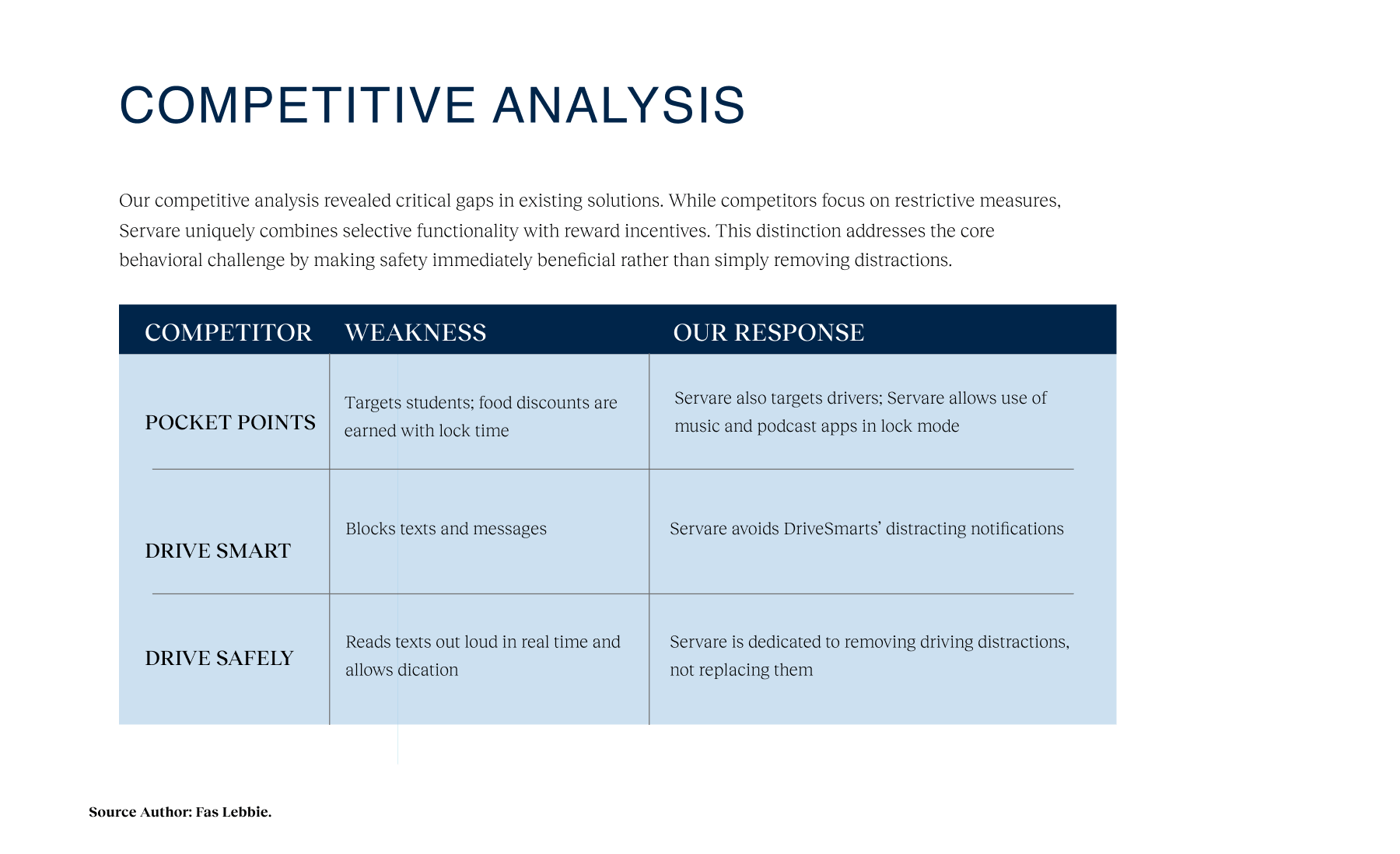
The research used a mixed-methods approach, conducting in-person studies with 200 university students and analyzing existing solutions. Initial findings revealed that people understood the dangers of distracted driving but lacked immediate incentives to change their behavior. Traditional fear-based approaches were ineffective to create sustained changes. This understanding led to our key research question: How might we incentivize people to stay off their phones when driving or sharing moments with loved ones? We developed three user personas: Eric (a college student dealing with commuting boredom), Tammie (a professional seeking to document safe driving for work incentives), and Julian (a freelance photographer with complex device needs). Each persona revealed distinct motivations and pain points that informed our feature prioritization. Our competitive analysis of solutions like PocketPoints, DriveSmart, and DriveSafe.ly identified key limitations: most competitors focused solely on students, sent distracting notifications, or tried to replace rather than reduce distractions. Our precedent research, particularly the Speed Camera Lottery case that reduced average speeds by 21.6%, validated our hypothesis that positive reinforcement through rewards could change behavior. By understanding the statistical reality and behavioral patterns behind digital distraction, we established a foundation for exploring solutions that address both the problem and the human motivations driving it. These insights shaped our strategy to create a solution that combines selective functionality blocking with immediate rewards, differentiating Servare from existing alternatives.
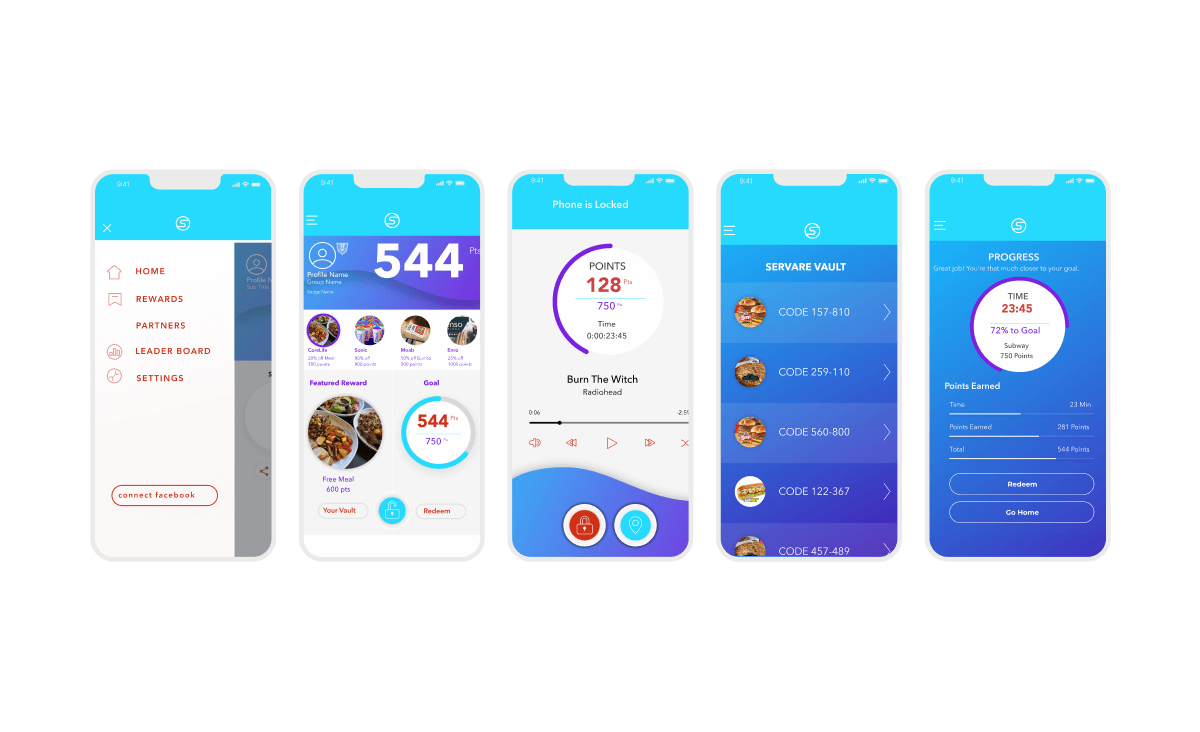
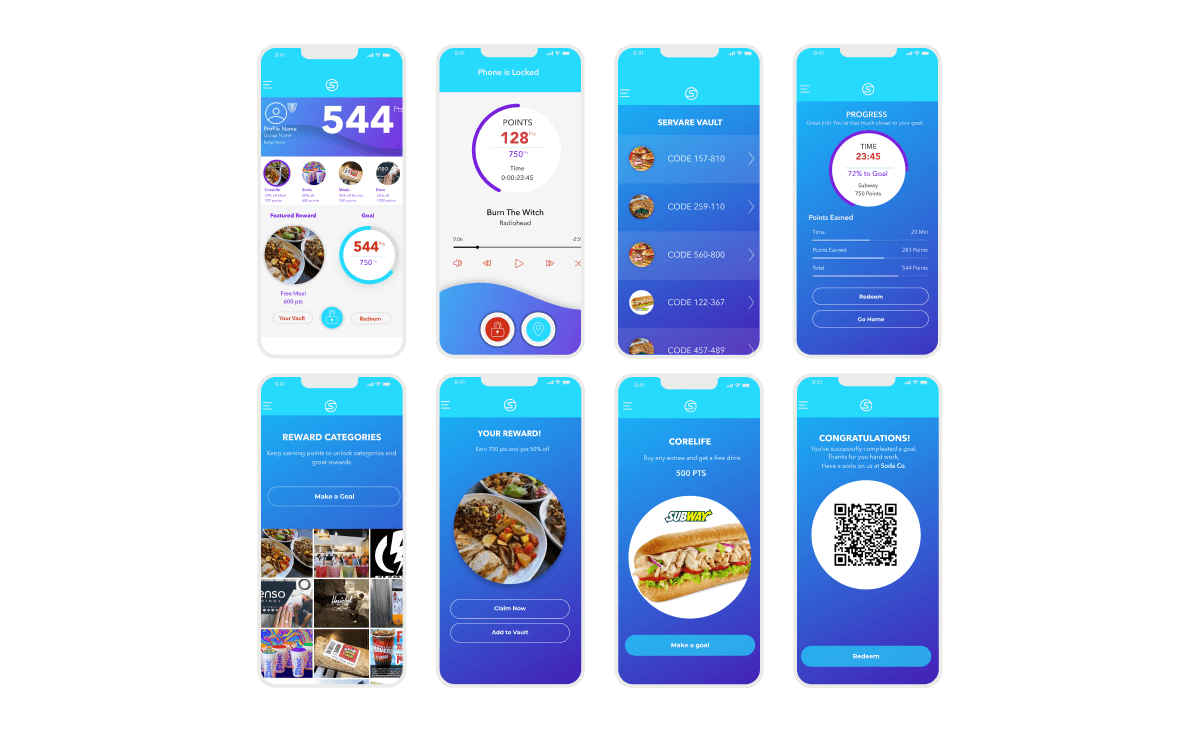
Our research identified three key opportunities for addressing digital distractions. First, 69% of people aged 18-64 admit to using phones while driving, indicating widespread awareness without behavior change. Second, user testing revealed that access to music and GPS in lock mode was essential — users abandoned solutions blocking all functionality. Third, competitive analysis showed that most existing solutions used fear-based messaging or lacked compelling incentives, creating an opportunity for a reward-based approach. These insights led to a feature prioritization matrix classifying our solution into progressive implementation phases from core functionality (skateboard MVP) to advanced features (car version). The MVP focused on three essential use cases: a secure lock screen to block distractions while preserving essential functions, a points accrual system to reward minutes of restraint, and a redemption platform to exchange points for real-world discounts. This approach allowed us to develop a solution addressing the core problem while providing immediate value to users.
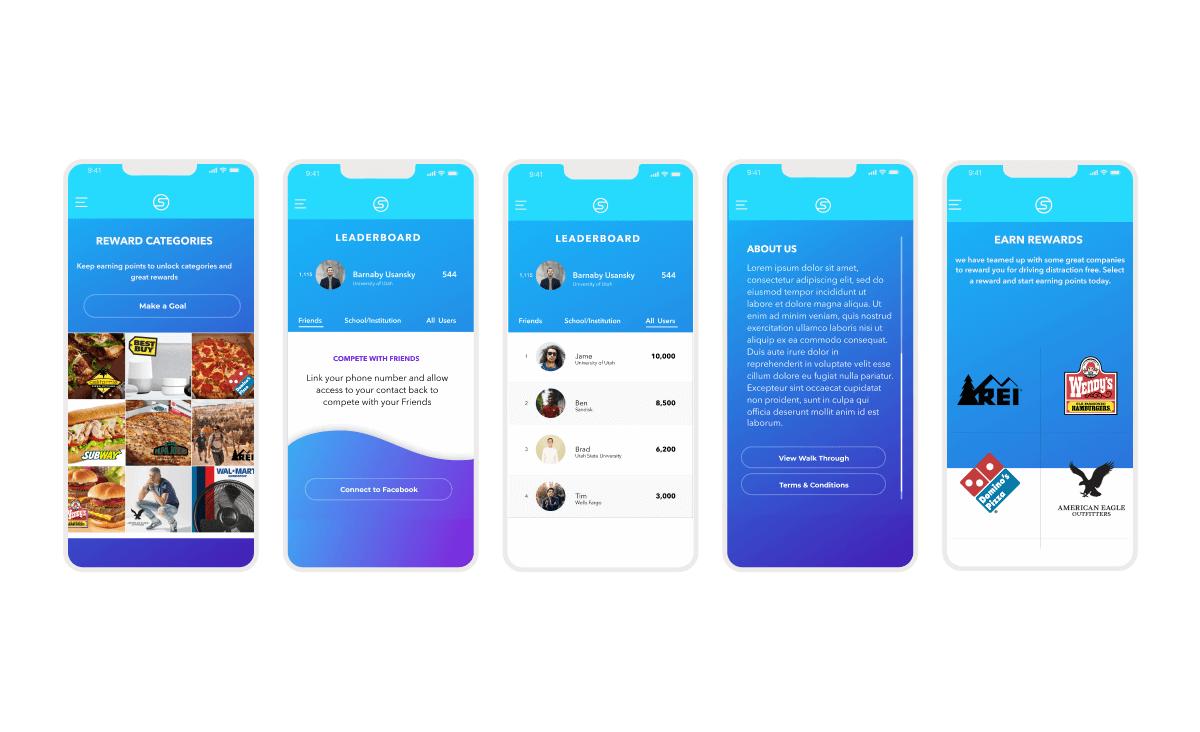
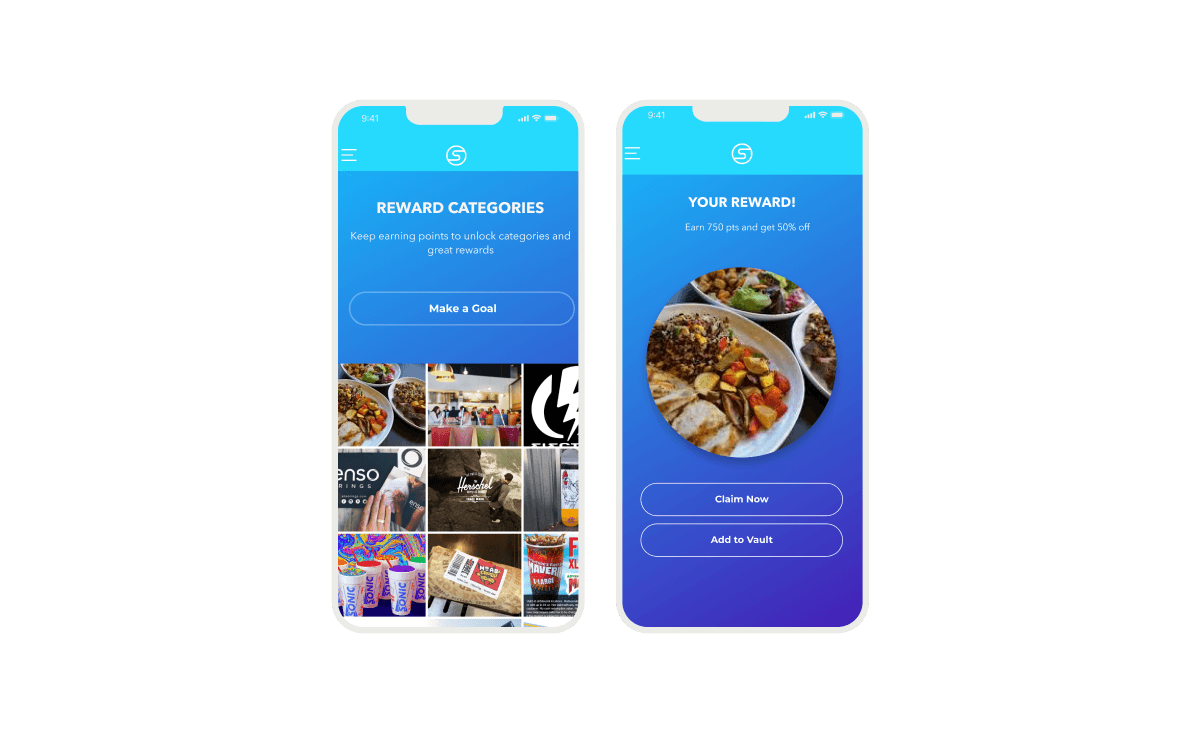
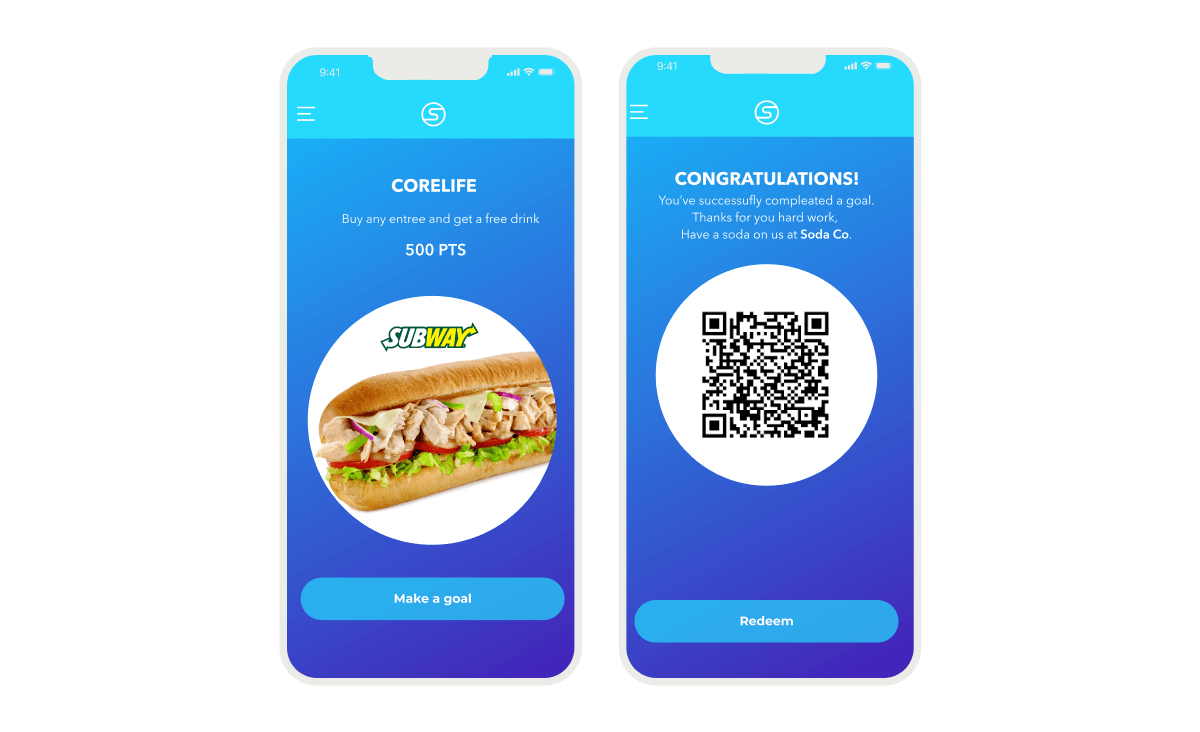
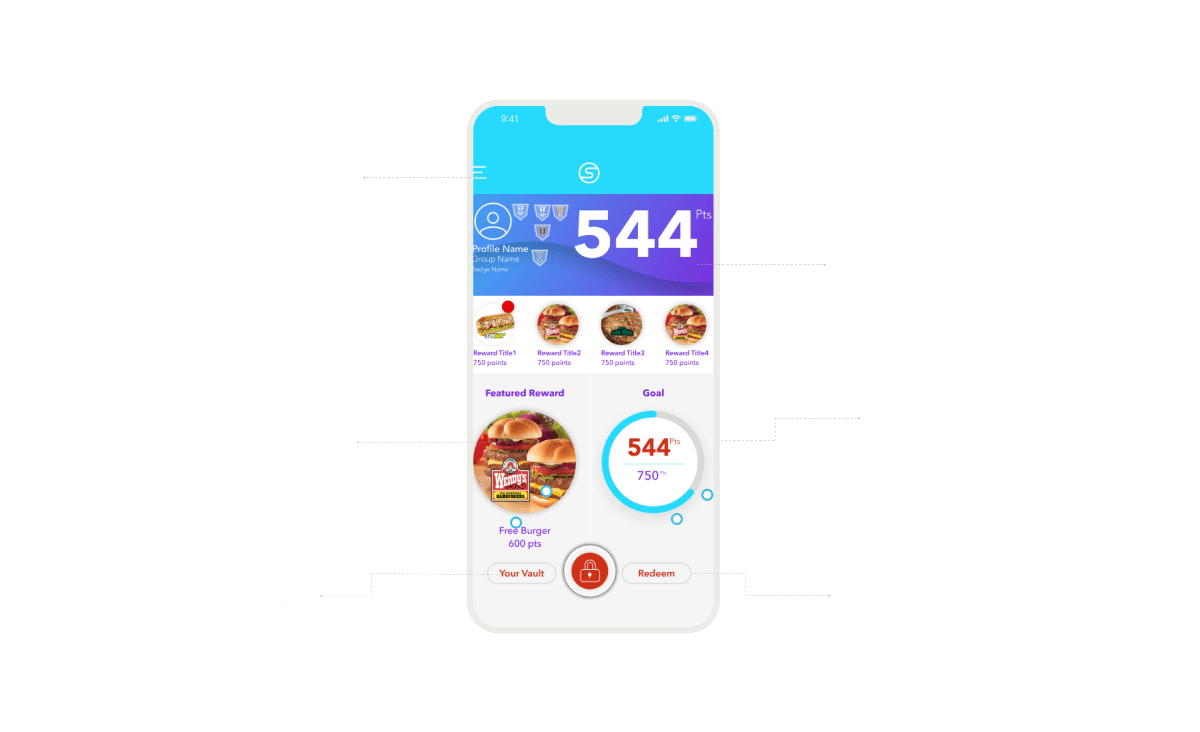
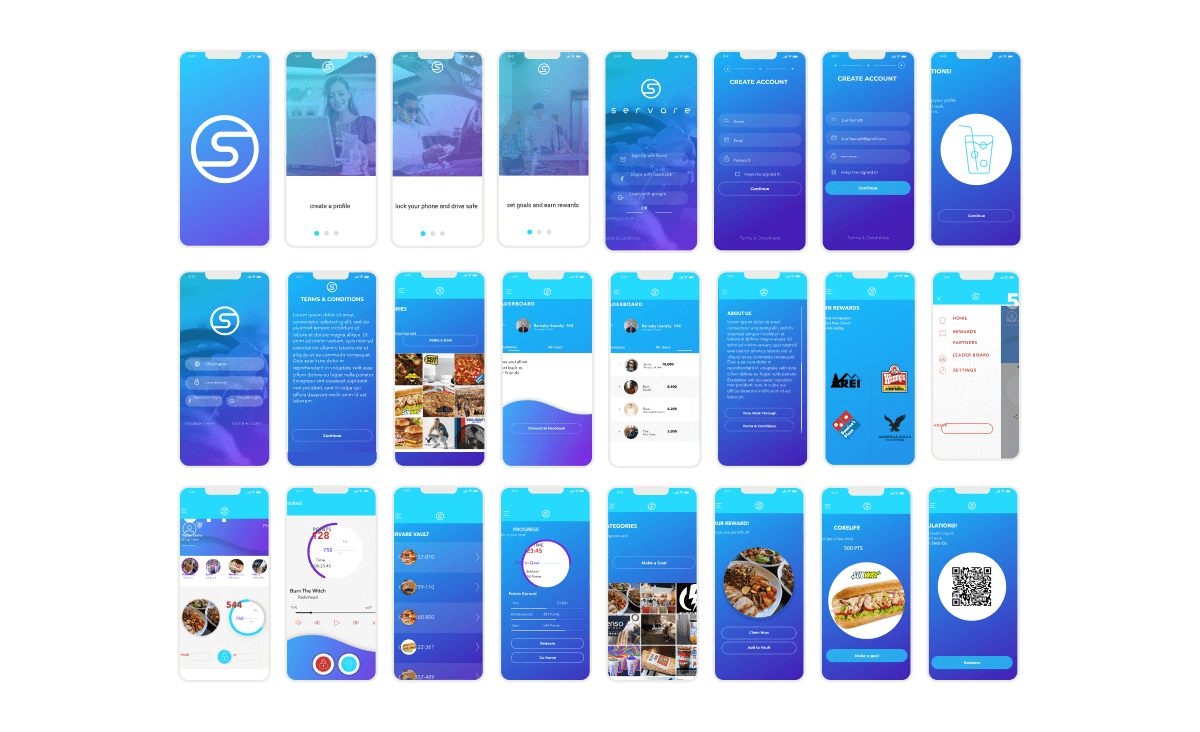
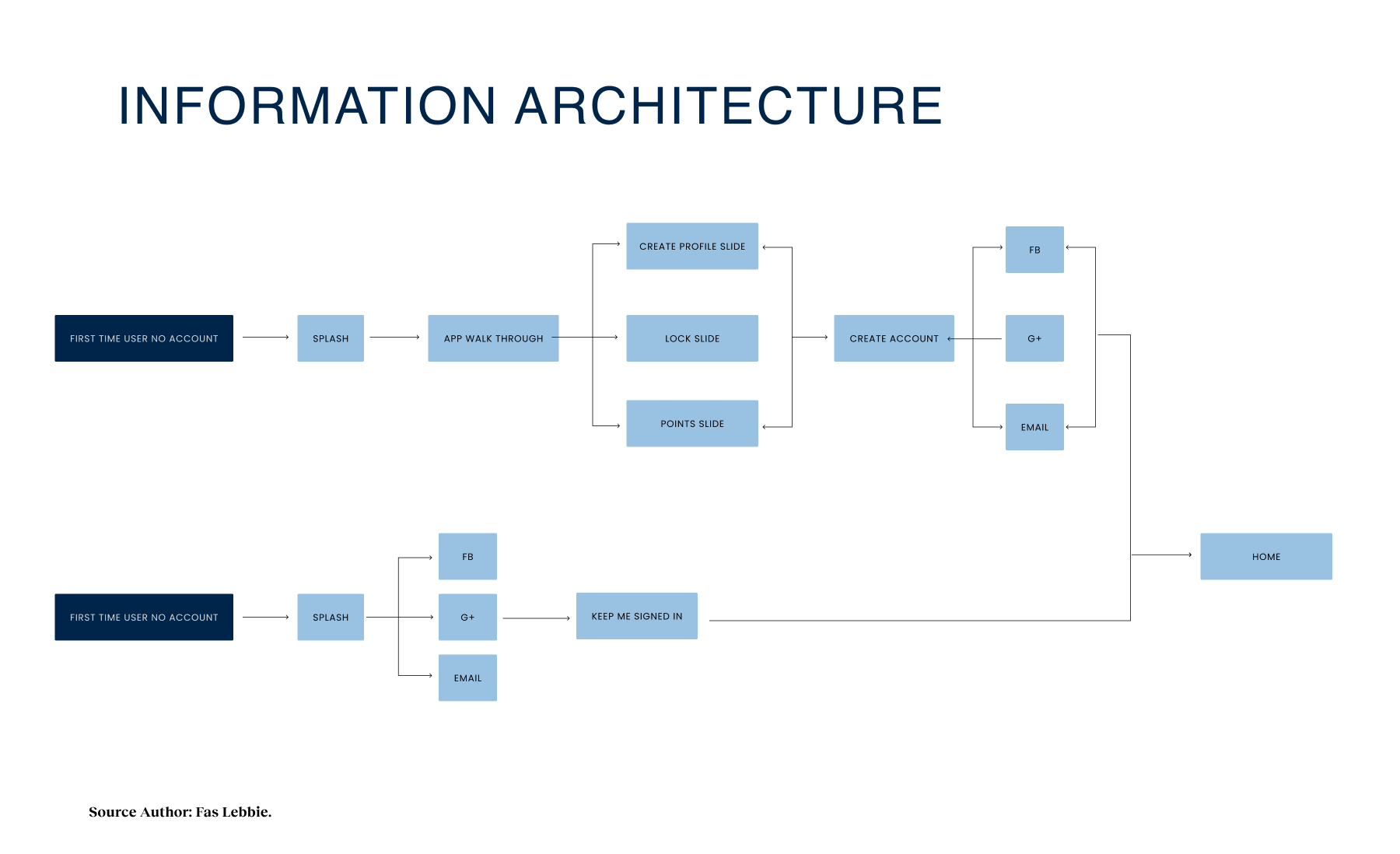
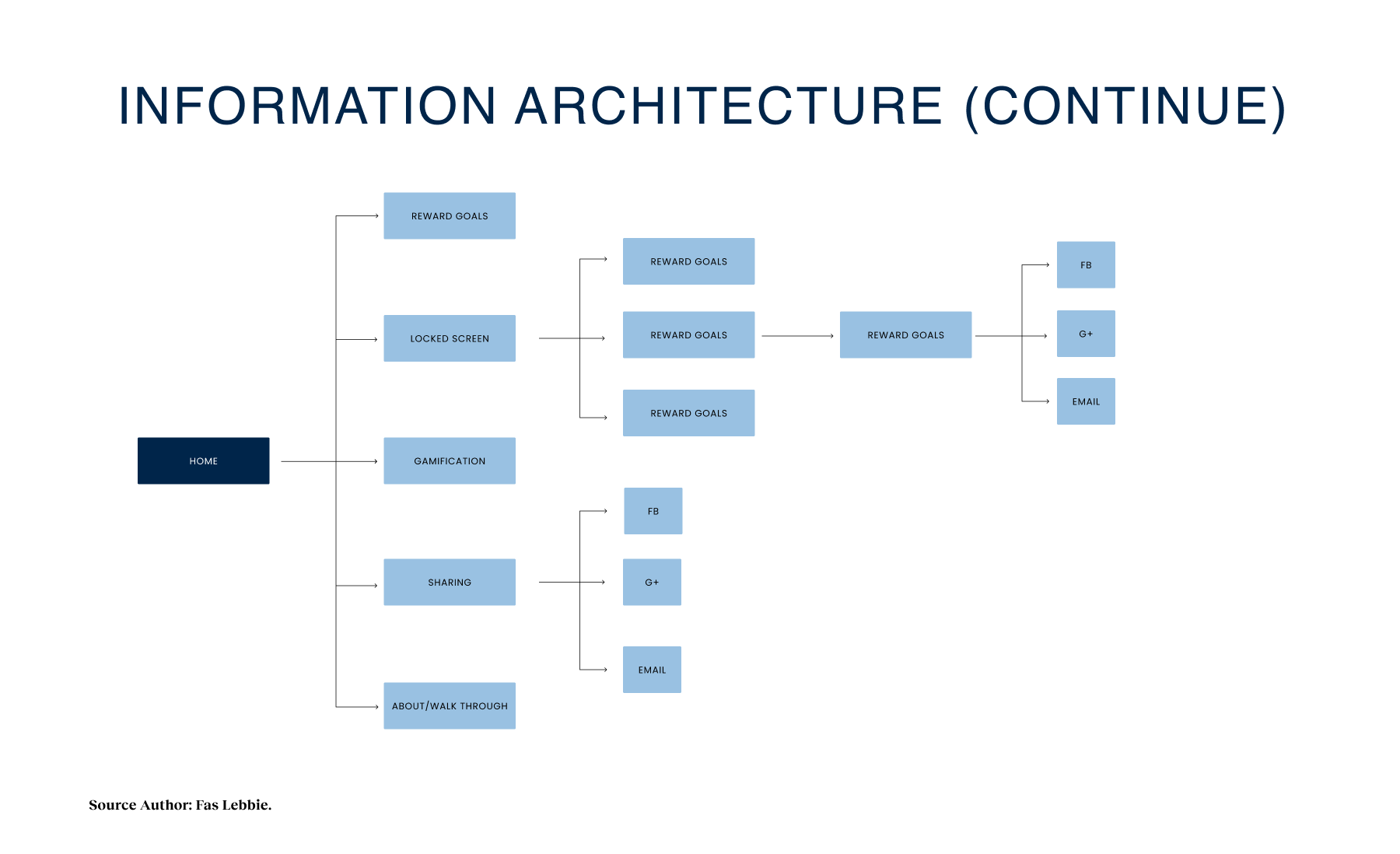
Our prototyping process had distinct phases, starting with low-fidelity wireframes to establish the core user journey and information architecture. We focused on making the right behavior rewarding rather than just blocking the wrong behavior. This strategy shaped our design process — from the reward-based incentive system to preserving essential phone functions like music. We emphasized three components: the lock screen interface monitoring phone usage, the rewards dashboard tracking points, and the point redemption system. A critical design principle was simplicity. If the app was too complicated, users would need to keep it open longer, defeating its purpose. This insight led us to create an experience where users could understand core functionality within 30 seconds of opening the app. Feedback from 150 university participants’ iterative testing shaped our design evolution. Key insights revealed users preferred access to music apps during locked mode and were more likely to use the app if rewards came from familiar companies. Each feature was designed to create a sense of accomplishment while addressing motivations behind digital distraction: boredom, FOMO, and habit. We implemented a phased development approach, starting with core locking and rewards functionality and gradually introducing social features and merchant partnerships. The final high-fidelity design maintained a clean, minimalist aesthetic with a black and white palette accented by blue for important actions and purple for backgrounds. This approach created a focused interface, minimizing distractions while clearly communicating progress and rewards. Our implementation strategy prioritized building trust with users through transparent data handling and immediate value demonstration, resulting in an 85% retention rate after the first month.



Design Interventions
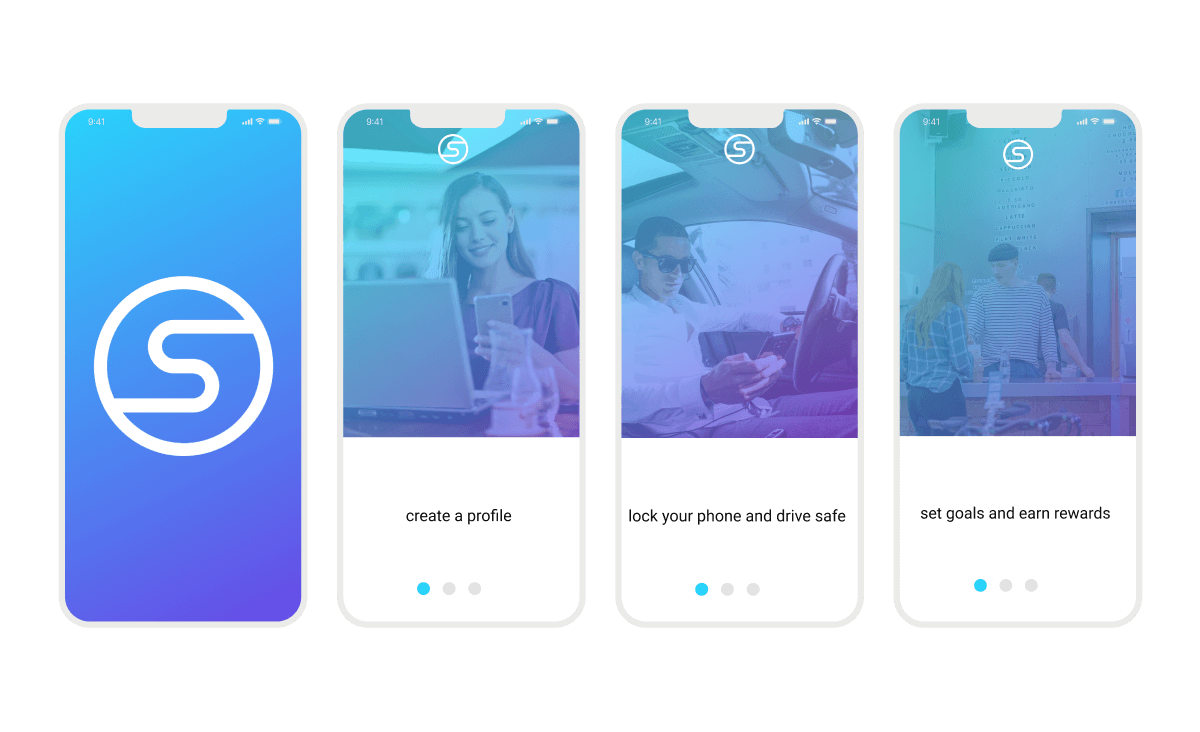
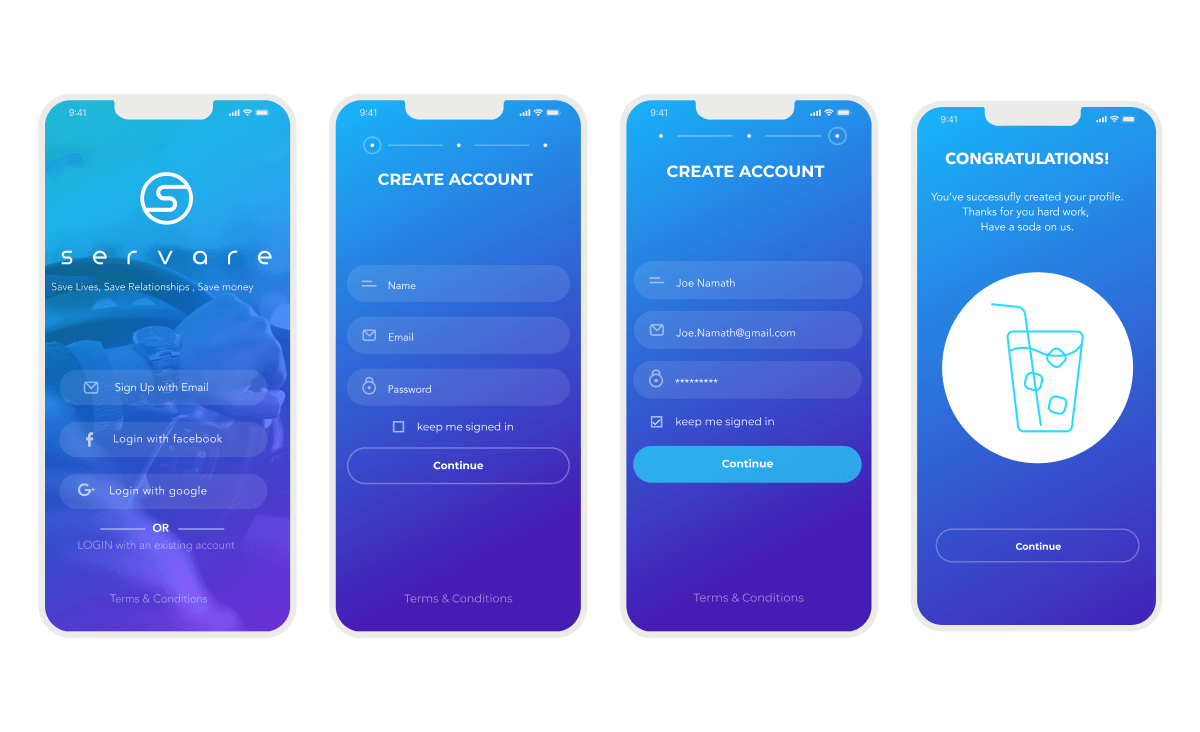
We developed Servare, an app that incentivized users to stay off their phones when driving or spending time with loved ones. The app blocks distracting features like texts and calls during journeys while allowing users to access essential functions like music and GPS. Each time users travel with the app, they accrue points that can be redeemed for discounts at local business partners. This reward-based system transforms moments of digital restraint into tangible benefits, helping users save lives, strengthen relationships, and save money simultaneously.

Young adults checktheir phones over 150 times daily. Among drivers aged 20–29, this habit causes thousands of distracted-driving crashes and preventable deaths each year.
Toolkit, Methods, & Frameworks
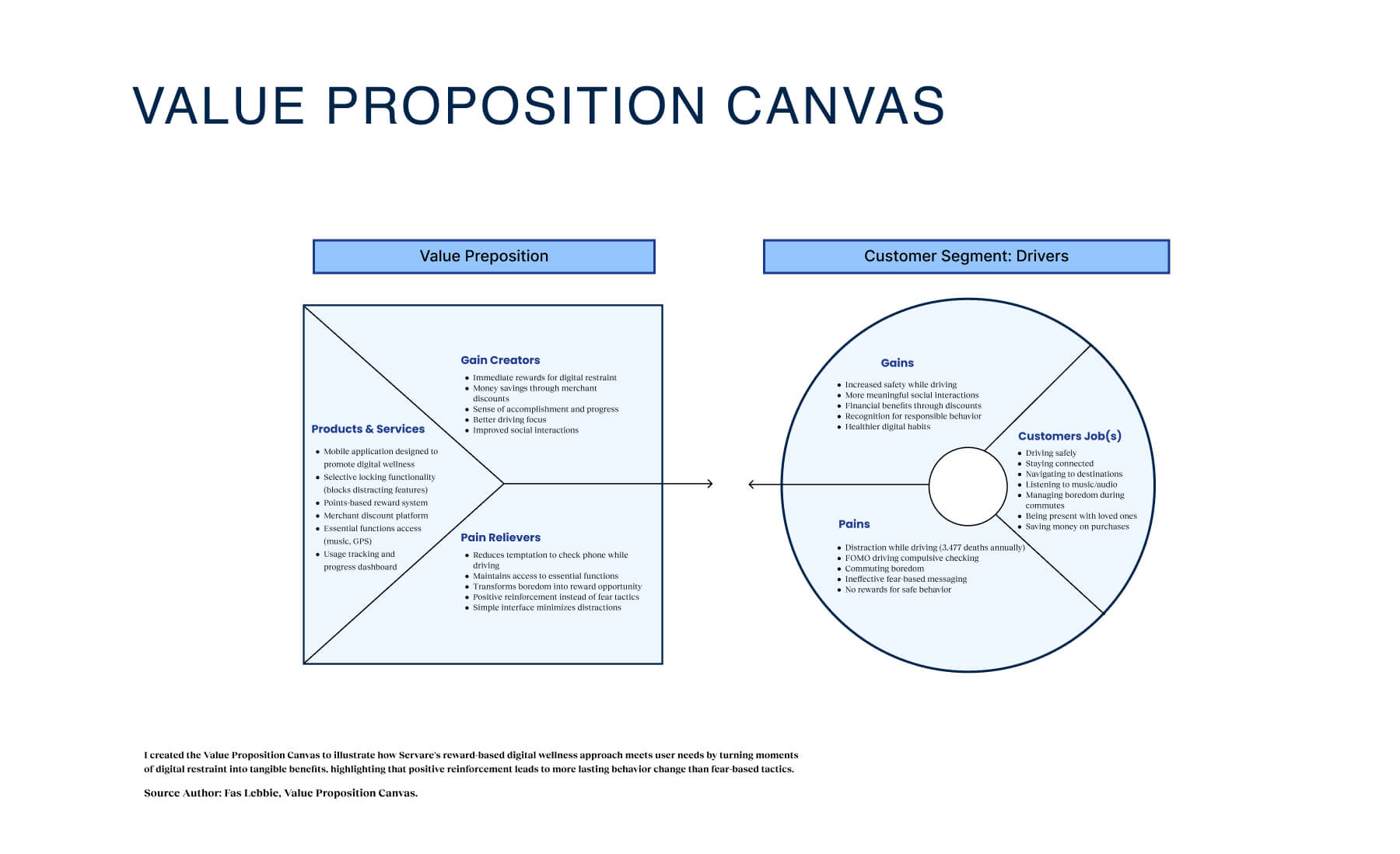
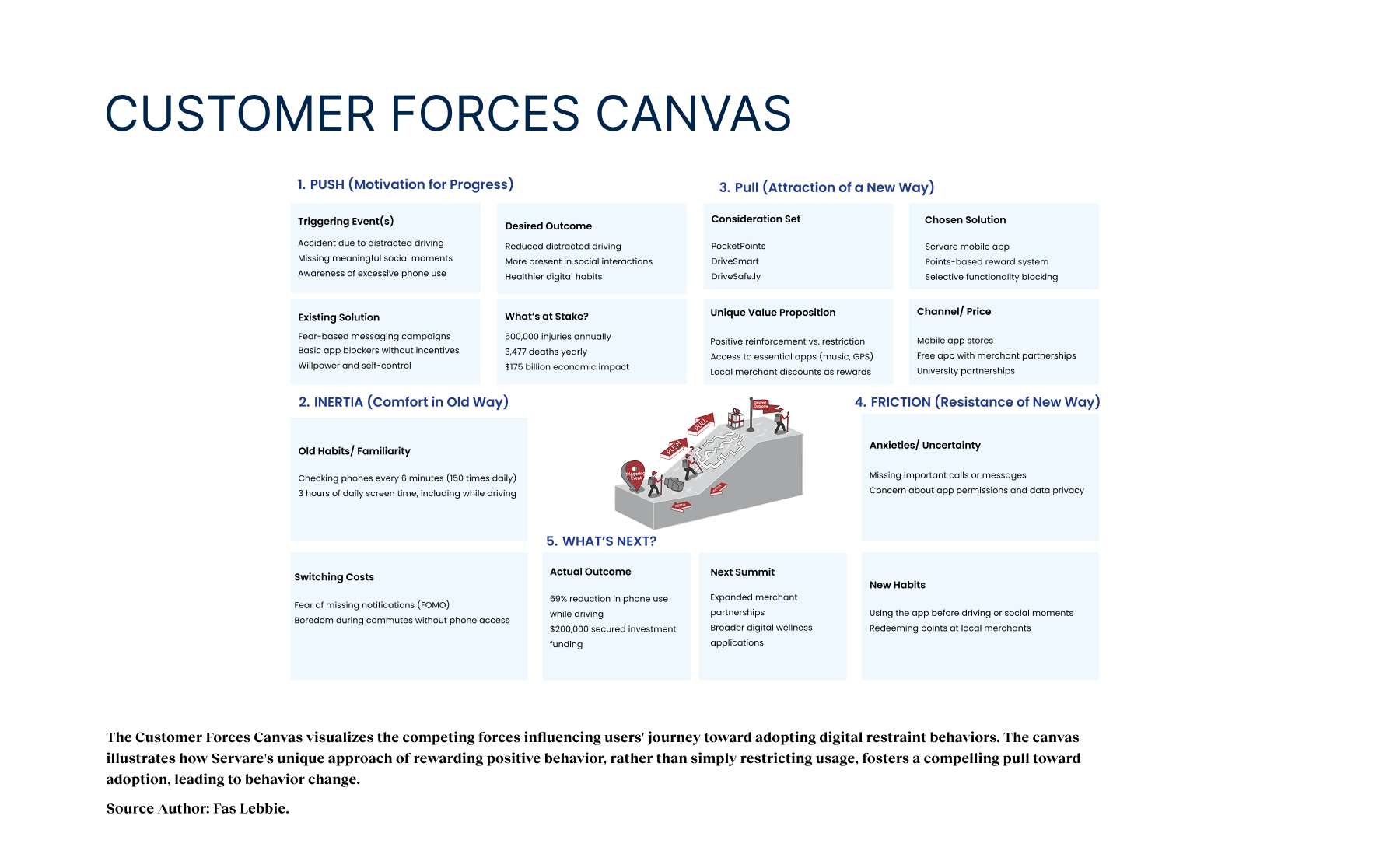
I applied the Value Proposition Canvas, Customer Forces Canvas, and competitive analysis to address distracted driving and synthesize interview data. By combining selective functionality blocking with reward incentives, the approach reframed safety as an immediate benefit, reducing phone use while driving and encouraging healthier digital habits.
Decrease in Distracted Phone Use While Driving
Active users achieved this behavioral transformation within the first six months of app usage.
Monthly User Retention
Exceptional engagement rates demonstrating sustained behavior change and platform value.
Funding Raised
Validated market potential and business viability of positive reinforcement platforms.
Reflections & Impact
Within six months, active users in the Servare app achieved a 69% reduction in phone usage while driving, with parents reporting increased presence with children and young adults developing healthier digital habits. The 85% retention rate validated our reward-based approach over traditional fear-based messaging, while $200,000 in secured funding confirmed market viability. Beyond individual behavior change, Servare is establishing a new paradigm for addressing digital distraction through positive reinforcement, proving that incentive-based platforms could create sustained behavioral transformation where restrictive approaches failed.
Next Steps
- Expand merchant partnership network to include national retail chains and restaurant franchises.
- Develop an advanced analytics dashboard for business partners to track campaign effectiveness.
- Integrate social features allowing friend groups and families to create shared goals.
- Create specialized interfaces for ride-sharing drivers and delivery services.
- Expand beyond driving to include focus time during work, study sessions, and family meals.
- Pilot integration with insurance companies for premium discounts based on verified safe driving.