Overview
What if the life-saving medical innovation that could help millions of people was sitting unused on a laboratory shelf? Approximately 89% of potentially life-saving healthcare innovations never reach those who need them, but Sensyo sought to remedy the situation. Created by Sam Machour, now the Senior Vice-President, Chief Quality Officer, and Member of the Executive Committee at Samsung Biologics, Sensyo is a digital marketplace that connects healthcare inventors and entrepreneurs with investors and service providers. My design team built a platform MVP to show how medical innovations move from concept to implementation. By connecting key stakeholders in a unified ecosystem, Sensyo secured $5 million in investment funding and laid the groundwork for bringing an estimated three million life-saving ideas to market by 2030.
Research & Design
Stakeholder interviews & research · UX/UI platform design · Digital marketplace development · Healthcare ecosystem mapping
- Duration: September - February 2019
- Partners: Harvard University, University of Utah
- Team: Fas Lebbie, Andy Lewis, Spencer Allred, Rob Thomas
Confidentiality: This case study reflects my design approach, with certain details adjusted to protect Sensyo’s confidentiality and respect sensitive information.
WHAT I BROUGHT
I spearheaded comprehensive stakeholder interviews and healthcare ecosystem mapping across university researchers, entrepreneurs, and investors.
Worked with cross-functional teams through collaborative design studios and stakeholder testing, orchestrating university partnerships and investor relationships while delivering a platform MVP that positioned Sensyo to commercialize life-saving innovations.
Problem Context
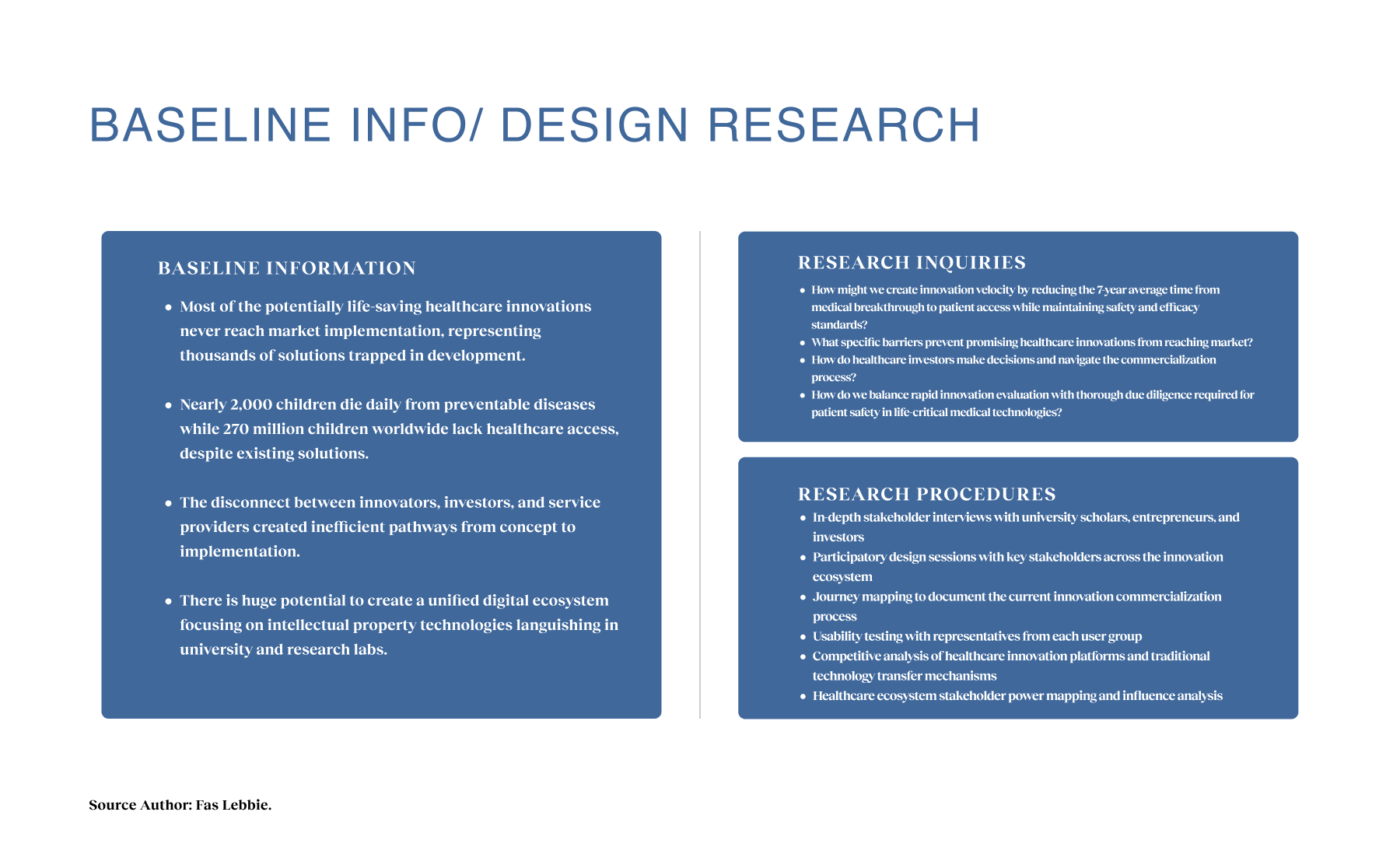
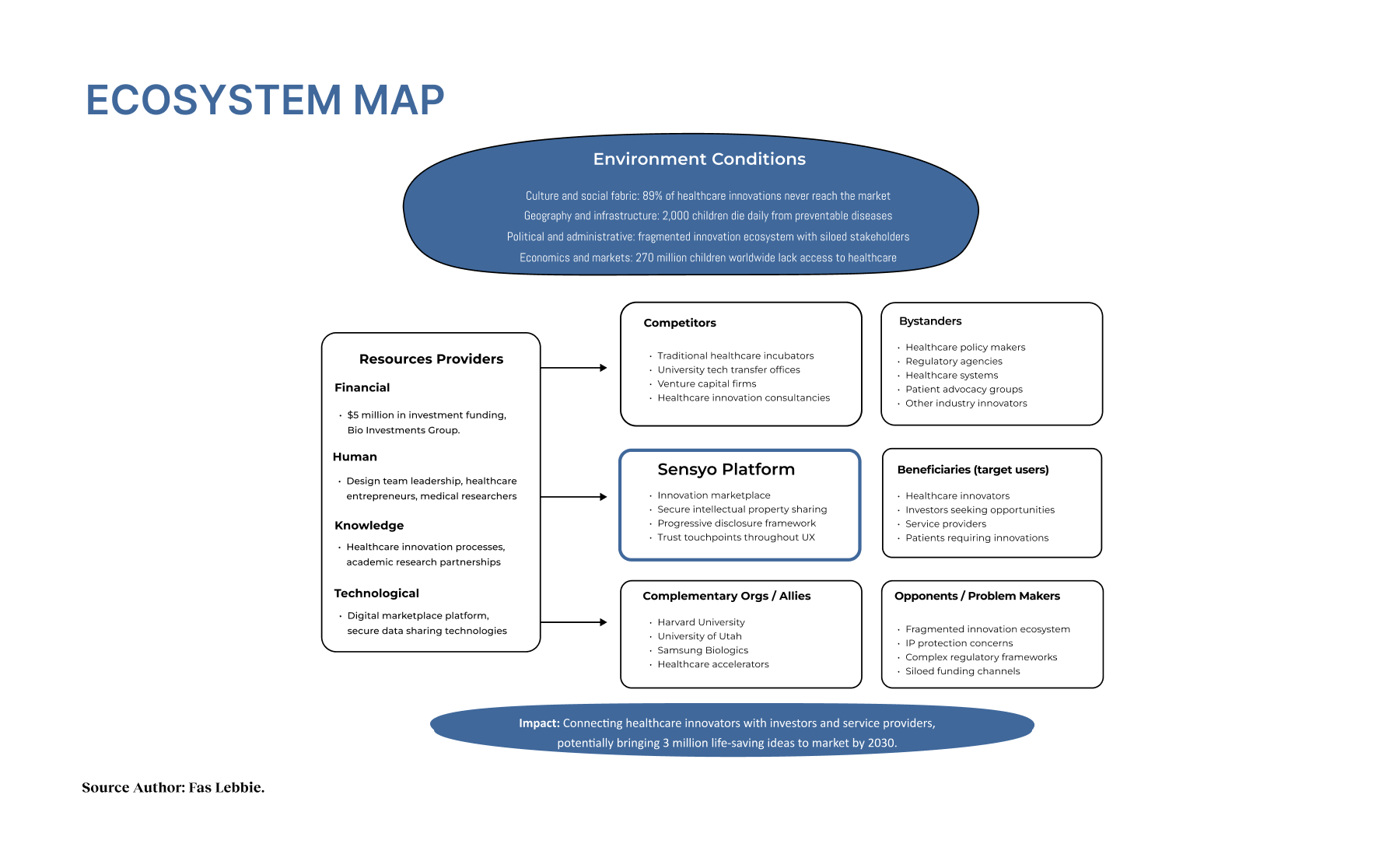
The healthcare innovation landscape has a gap between developing life-saving technologies and their implementation in real-world settings. With 89% of healthcare innovations never reaching the market, we identified a systemic failure in connecting innovators with necessary resources. This disconnect persists despite the desperate need for these solutions; nearly 2,000 children die daily from preventable diseases linked to unsafe water and sanitation issues, while 270 million children worldwide have no access to health care. Traditional pathways for moving healthcare innovations from concept to market are fraught with barriers: innovators struggle to find funding and support, investors lack efficient systems to discover promising opportunities, and service providers cannot easily connect with projects needing their expertise. This issue represents both a business and humanitarian challenge, where inefficiencies and communication gaps lead to human suffering and death. By creating a unified ecosystem that bridges these divides, we focused on bringing promising intellectual property technologies languishing in university laboratories and healthcare industry research departments to those who need them most.
My Approach
I led stakeholder research, co-design sessions, and iterative prototyping to bridge disconnects across healthcare innovation. We aligned platform strategy with user needs, fostering trust and enabling meaningful, scalable commercialization.
Design Process
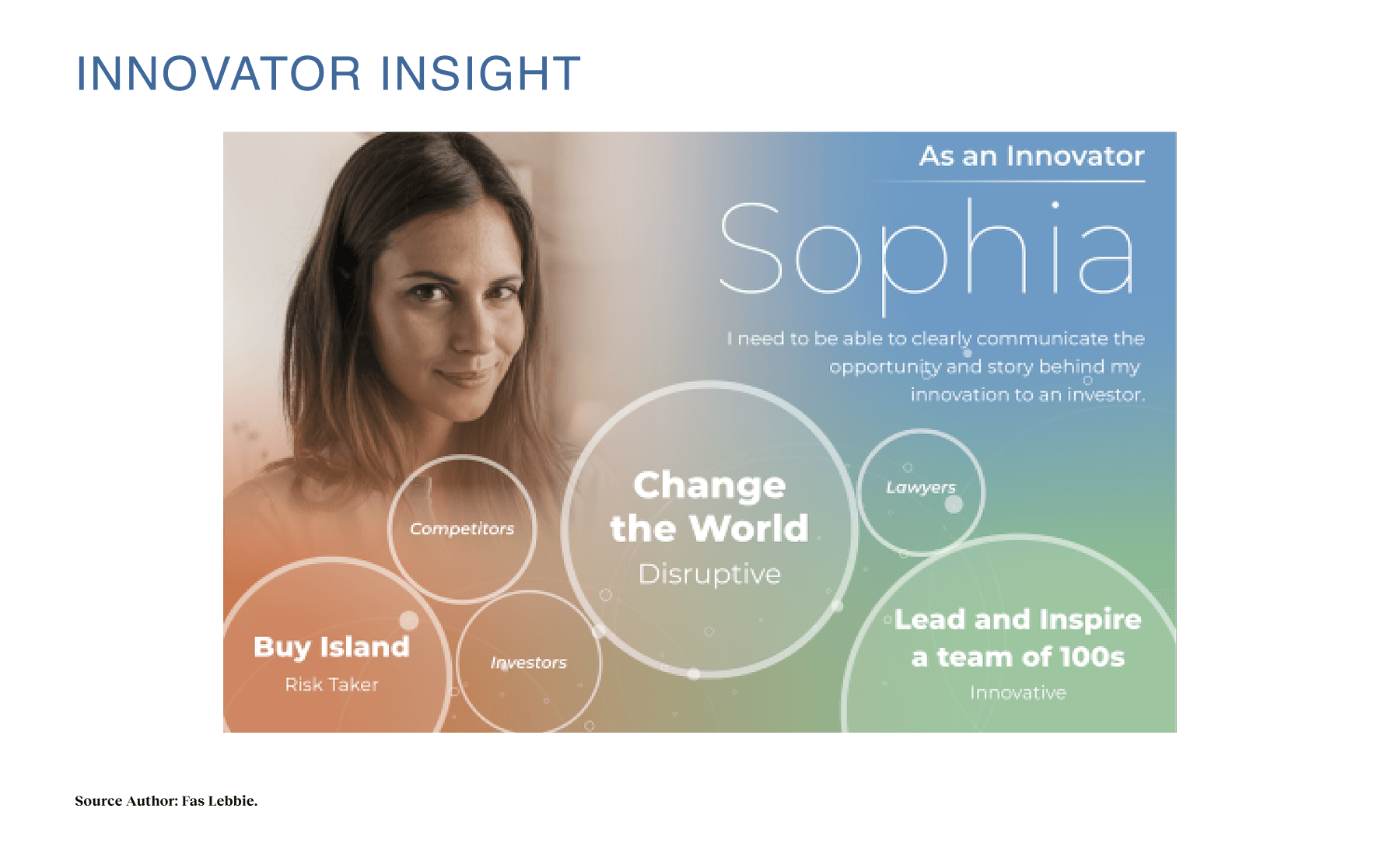
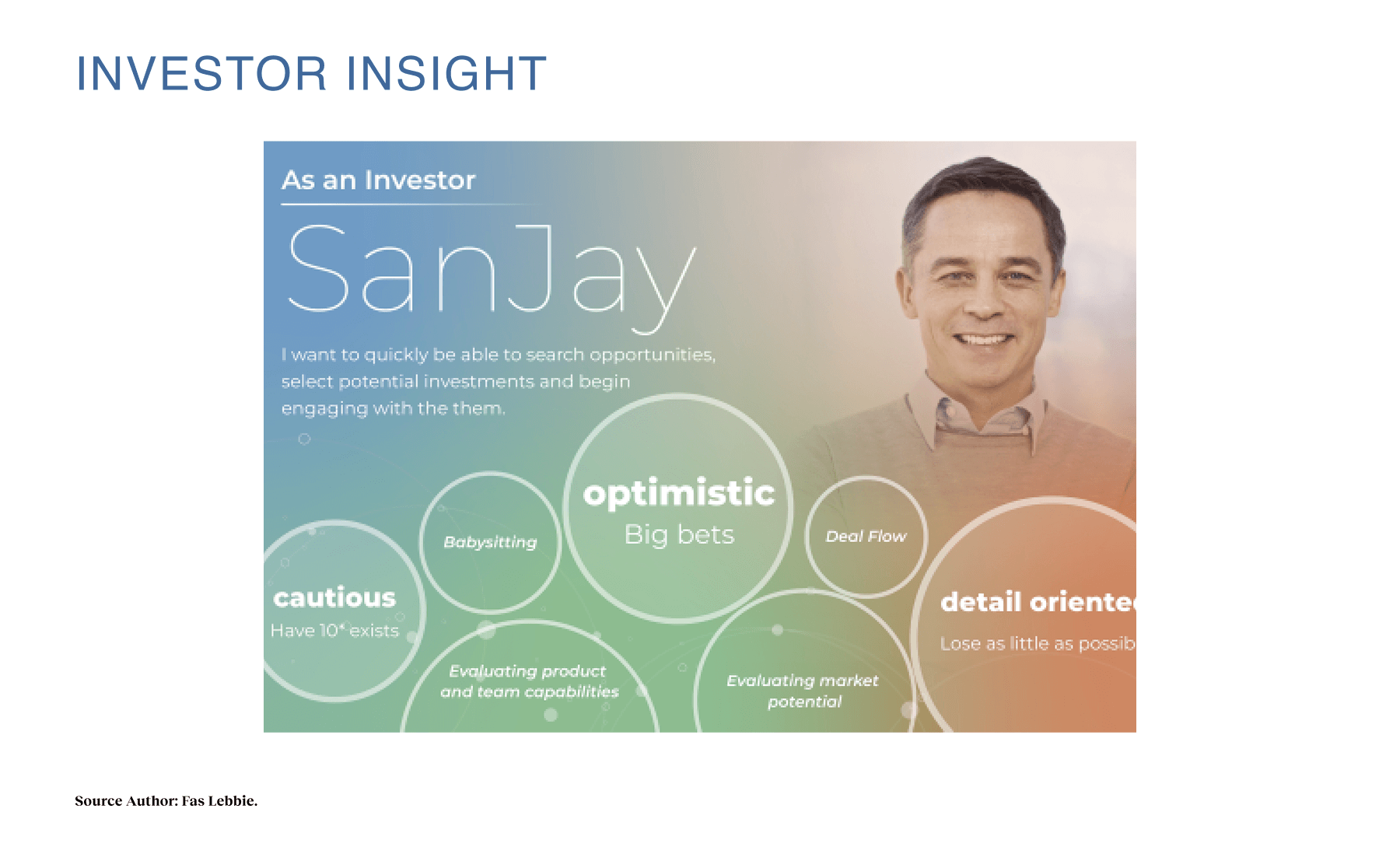
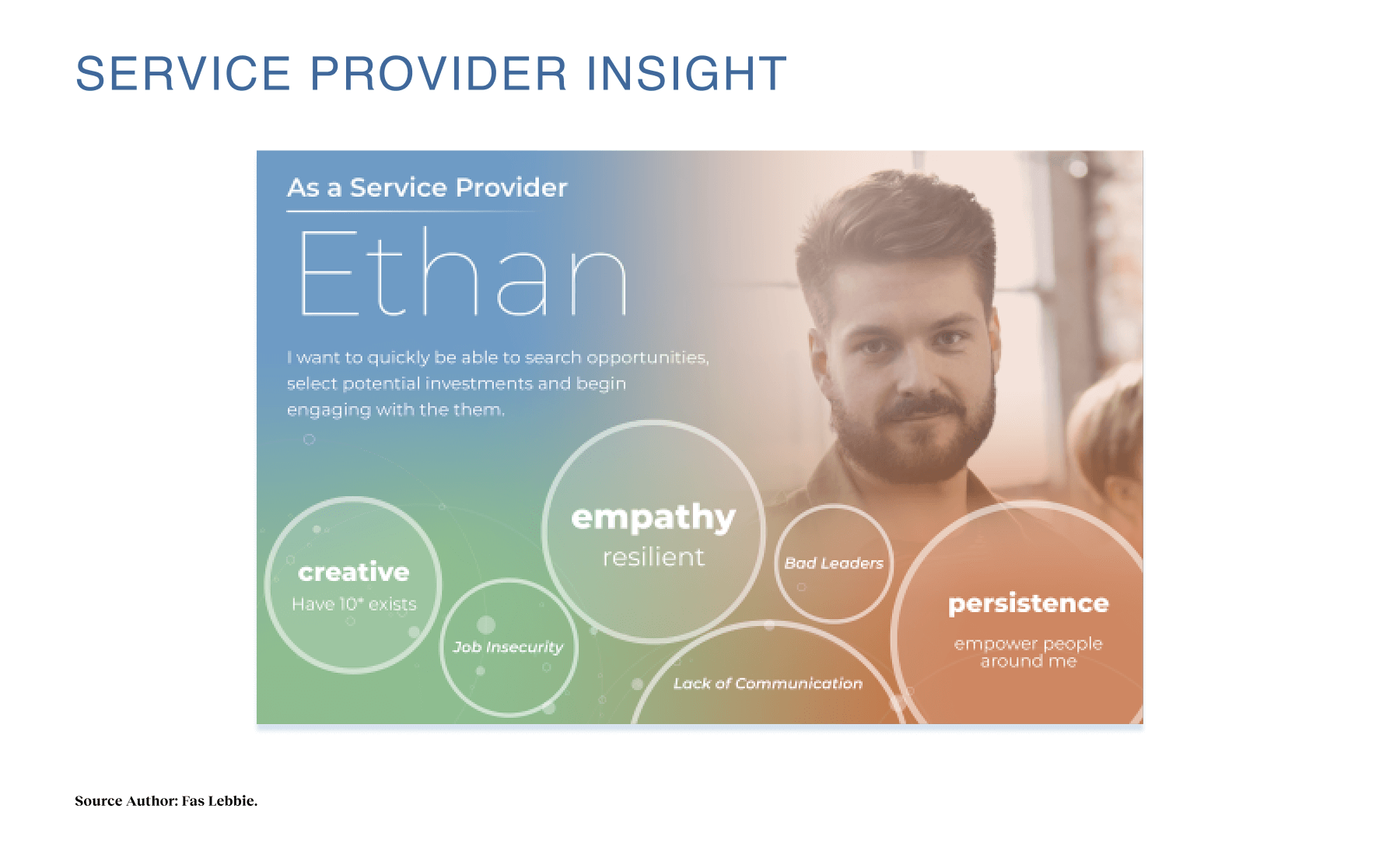
Our journey began by investigating why 89% of healthcare innovations never reach the market. Through in-depth stakeholder interviews, contextual inquiry, and participatory design sessions, we identified a fragmented ecosystem where innovators, investors, and service providers operated in isolation despite their interdependence. From university researchers to hospital innovation departments, we documented the current innovation journey, mapping pain points and opportunities. We identified distinct behavioral patterns rather than relying solely on demographics.
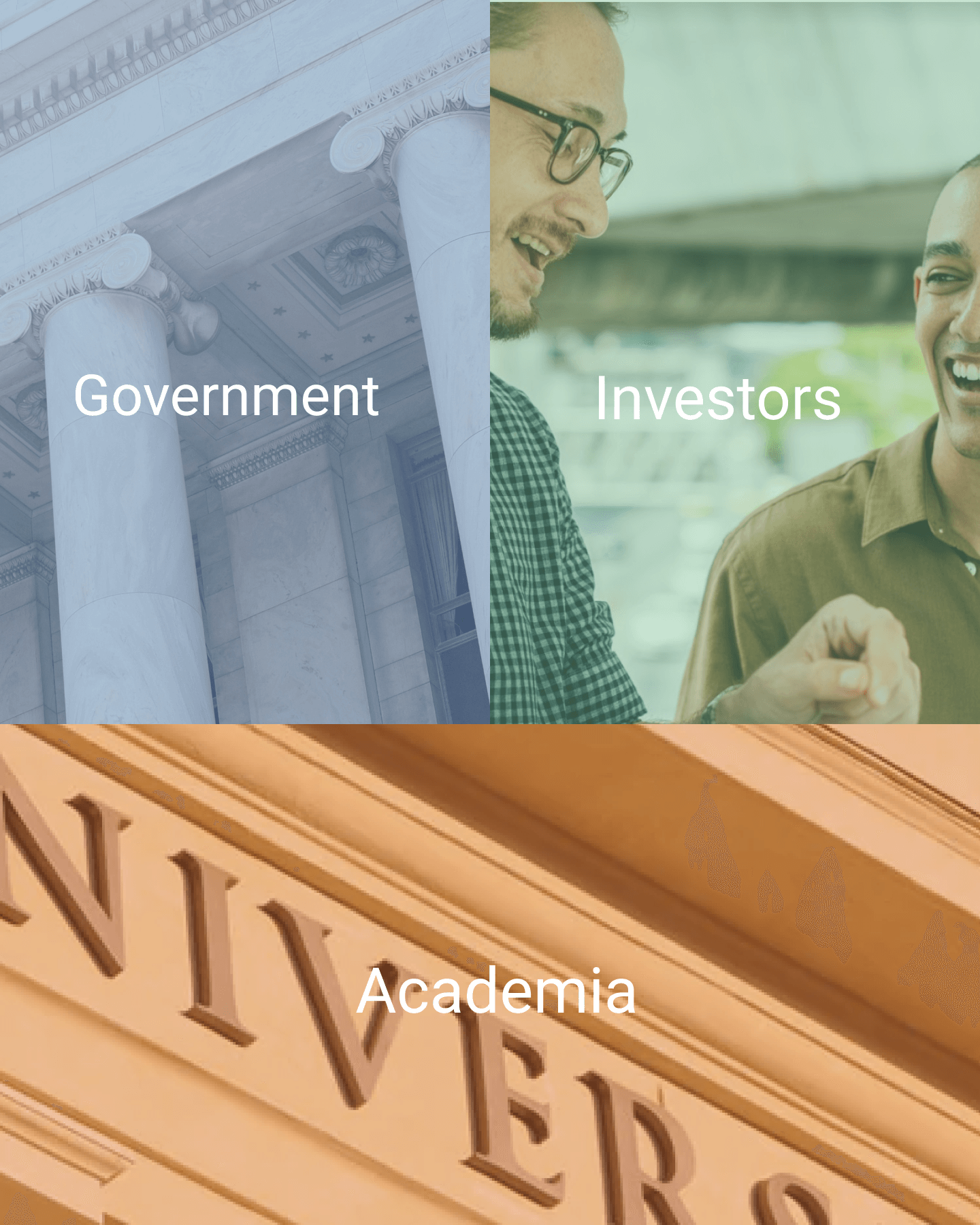
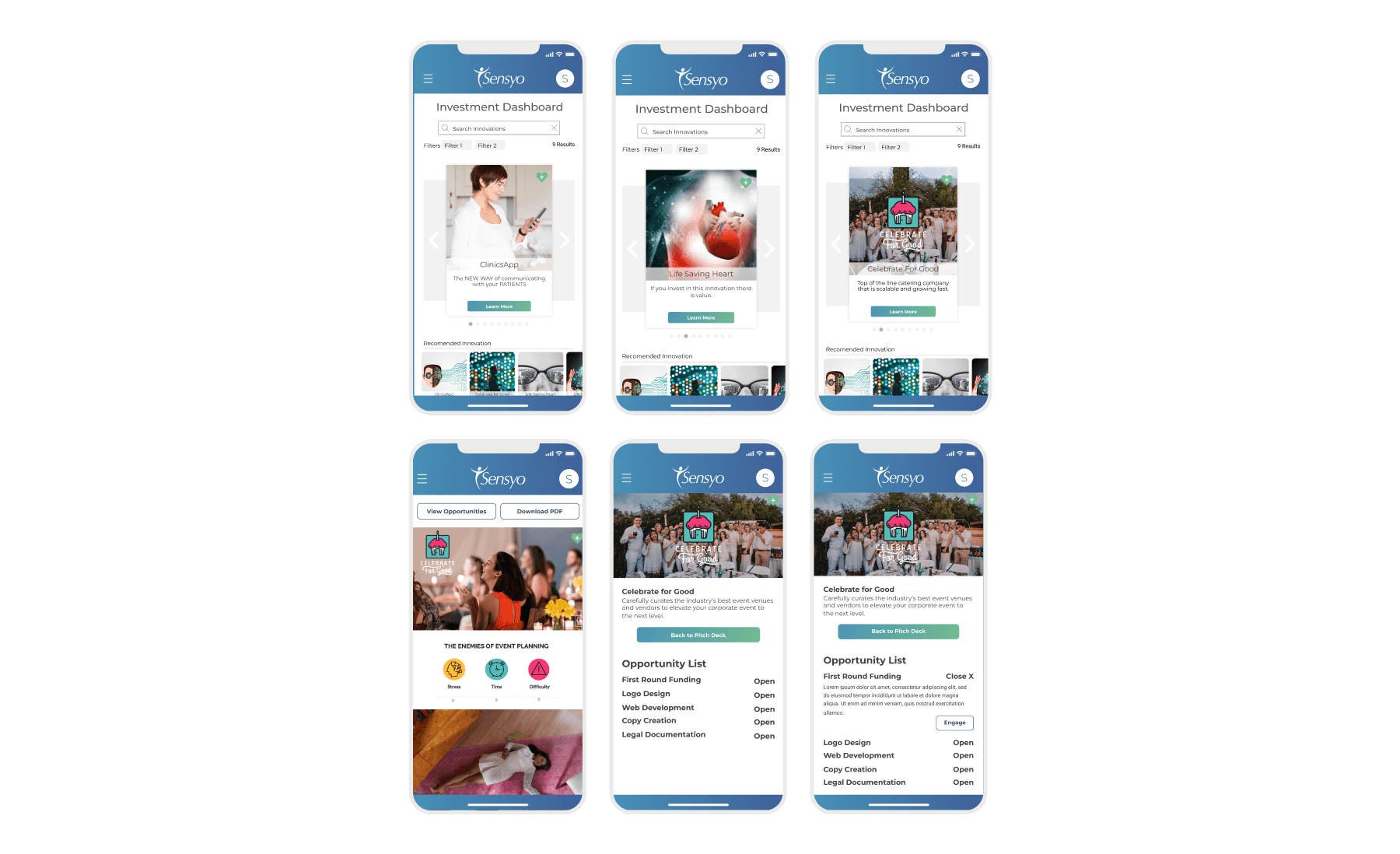
Our research with university scholars, entrepreneurs, and investors revealed that the primary barriers to healthcare innovation implementation were structural and communicative, not just financial. Our research identified three critical user needs driving our design decisions. First, investors required efficient evaluation tools for quick go/no-go decisions with the option to gain in-depth insights. My team and I created a progressive disclosure framework revealing information in layers, matching the decision-making process. Second, innovators needed guidance through the commercialization process and connections to expertise, not just funding. They spent more time seeking funding than developing innovations, highlighting an efficiency gap. This inspired our ecosystem approach, connecting innovators with investors and service providers to navigate regulatory, manufacturing, and market entry challenges. Third, we needed to foster trust to ensure successful relationships between healthcare and innovation. This led to the development of trust touchpoints, micro-interactions, and interface elements, reinforcing credibility and security. These insights informed our core use cases: enabling investors to discover and evaluate innovations quickly, allowing innovators to present complex ideas effectively while protecting intellectual property, and helping service providers identify relevant opportunities early. Our design strategy focused on creating innovation velocity, reducing time and barriers between concept and implementation while balancing efficiency with thoroughness, simplicity with depth, and openness with security.
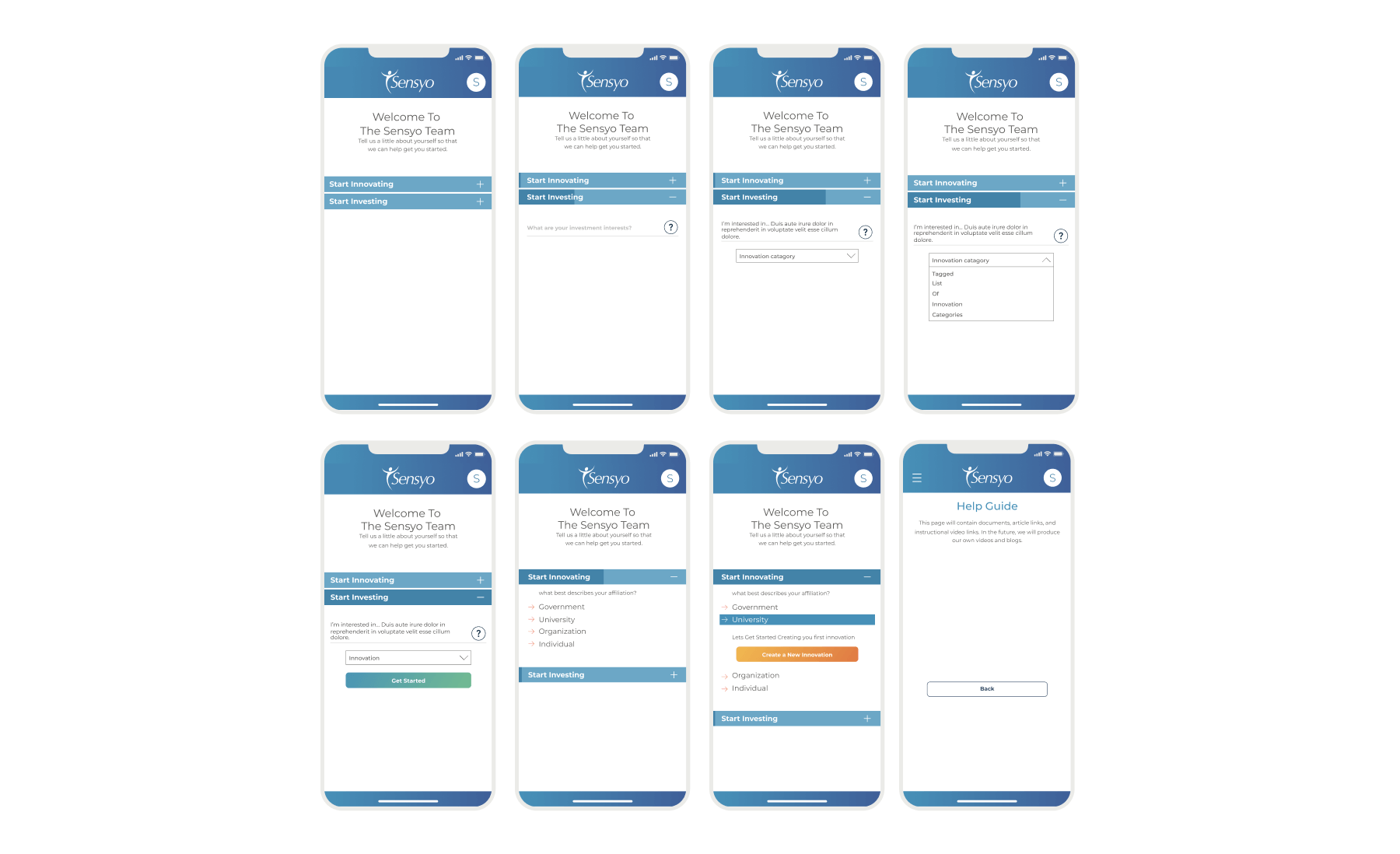
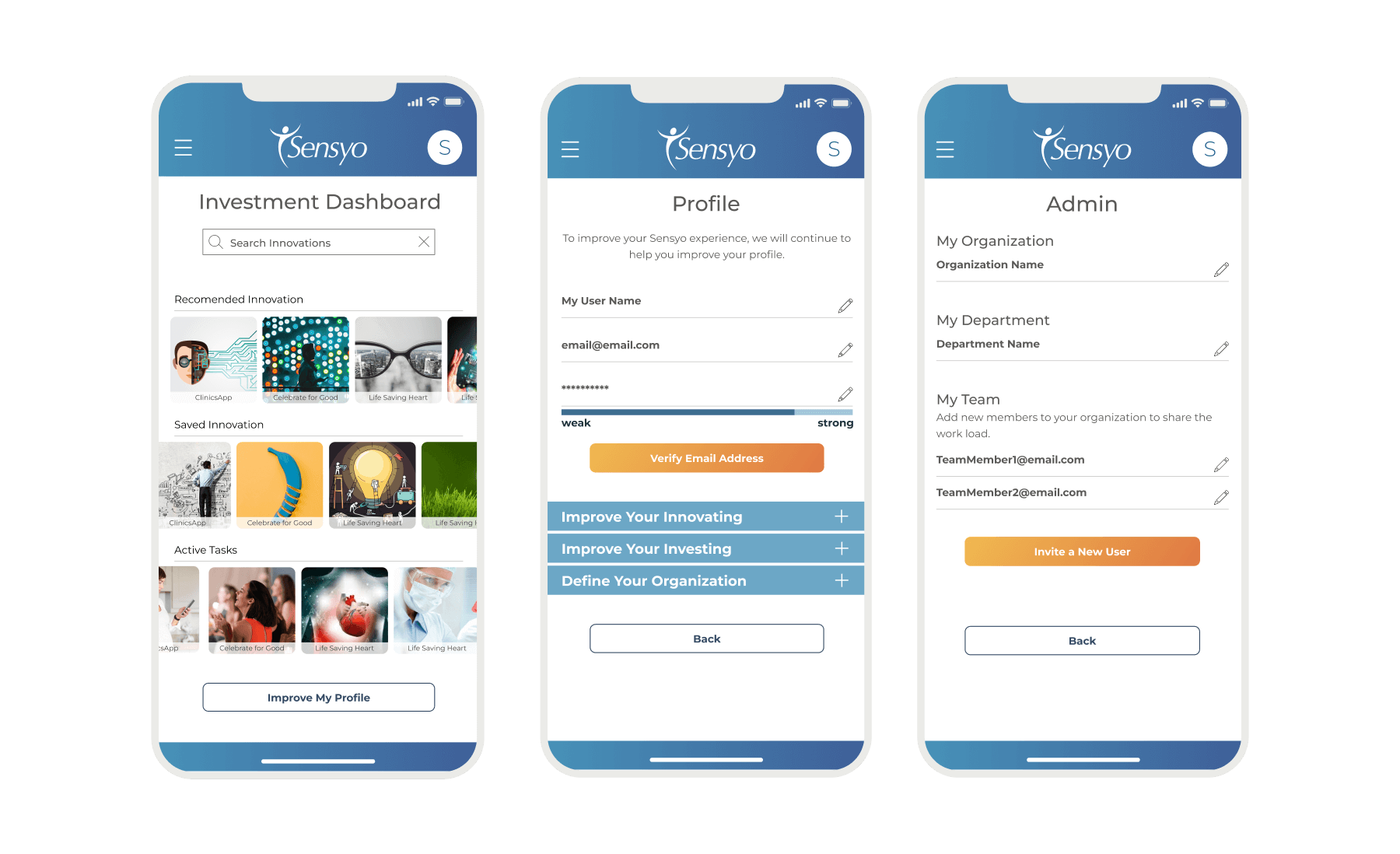
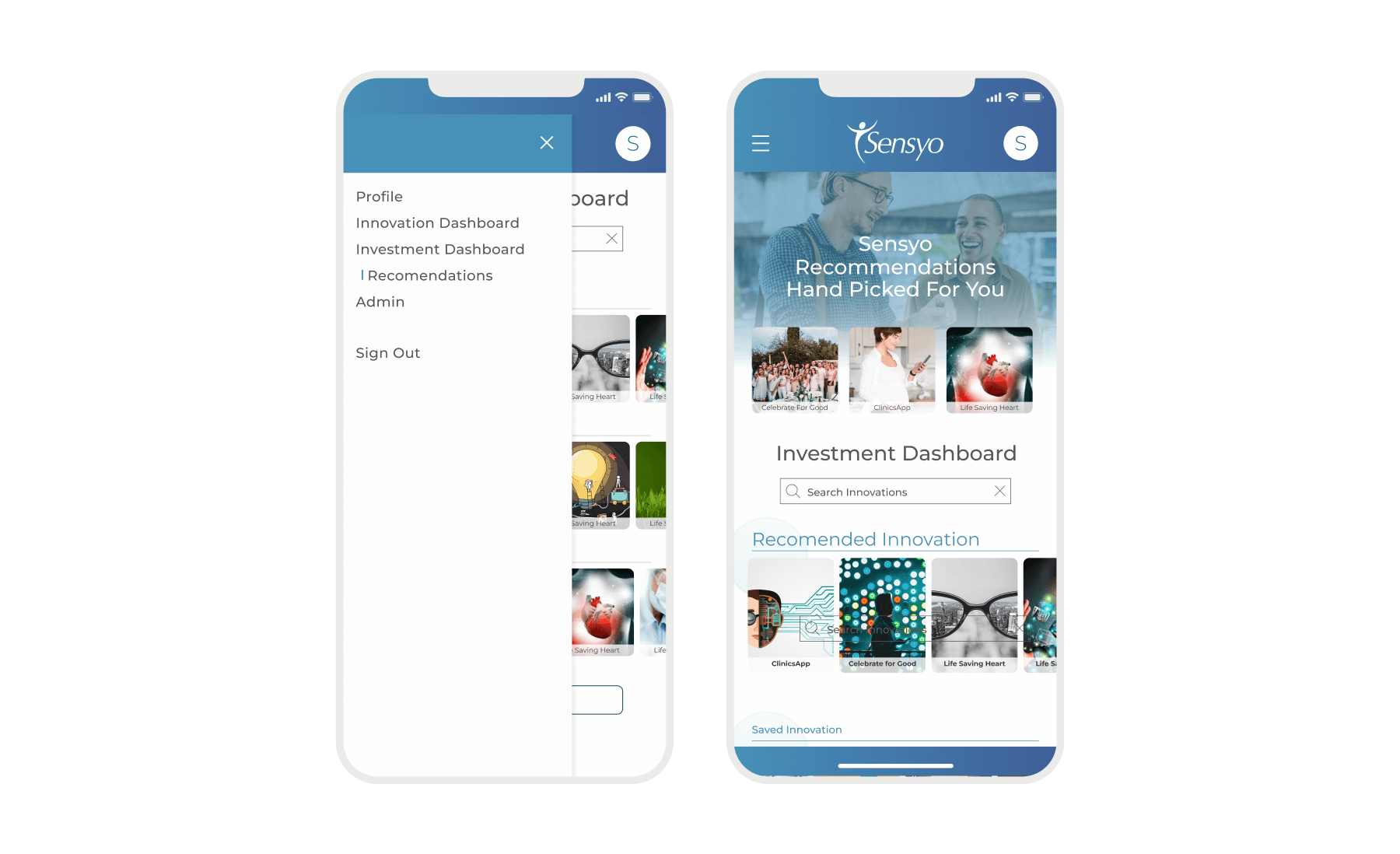
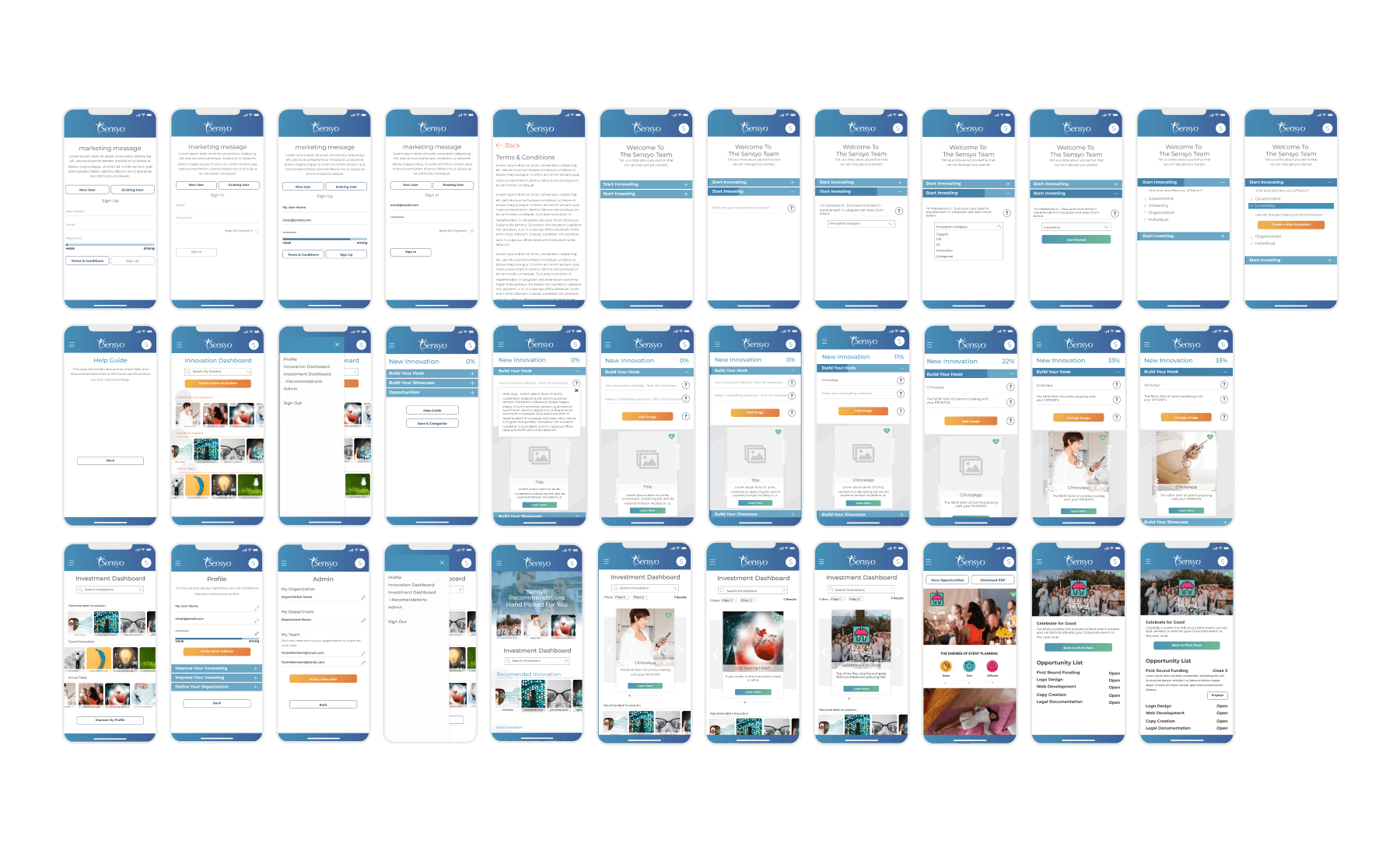
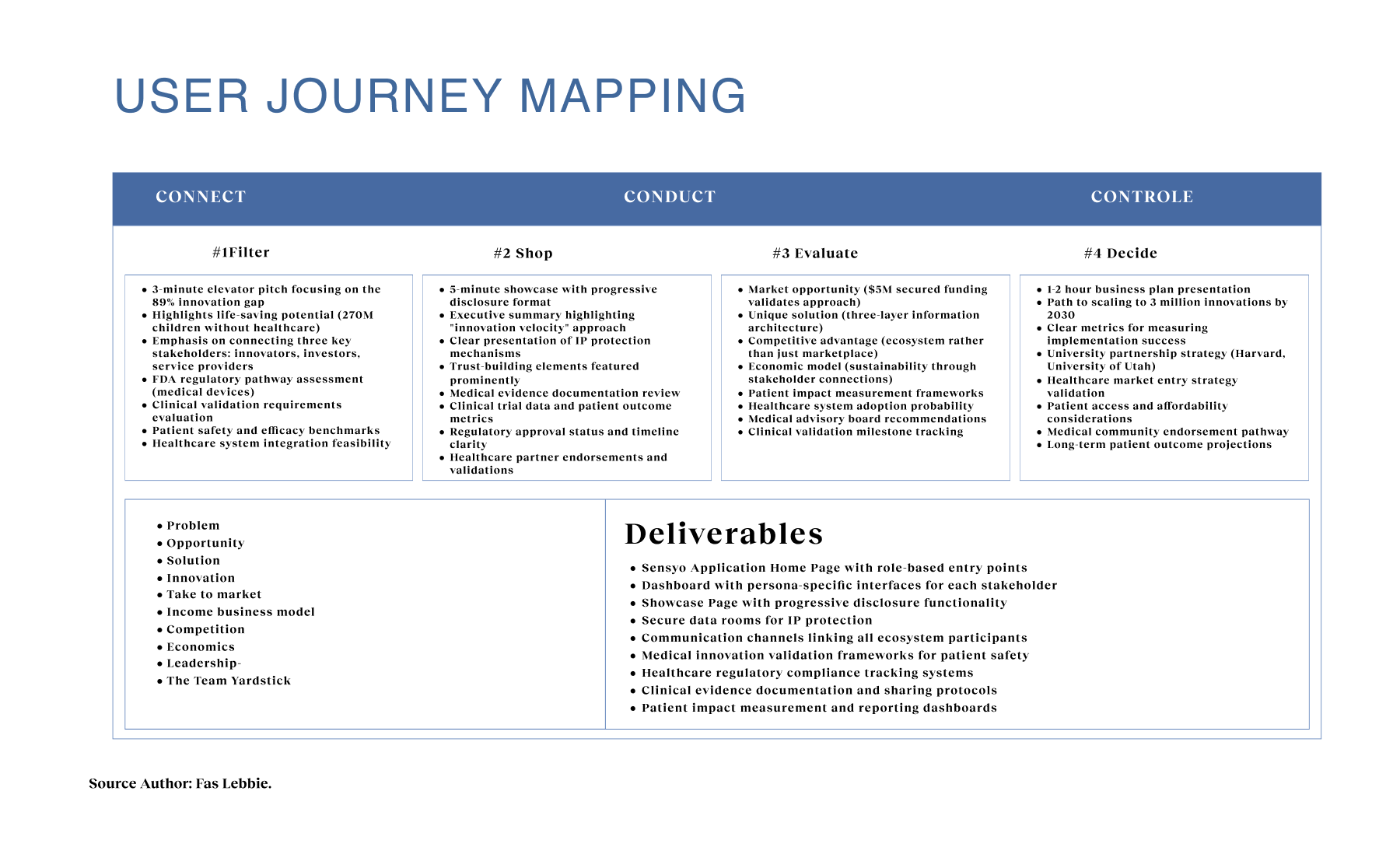
Our prototyping process began with collaborative design studios mapping out core user journeys for each persona. Wireframes underwent multiple iterations based on stakeholder feedback, focusing on the innovation submission process and investor discovery experience. We progressed to high-fidelity mockups, refining visual design while focusing on user needs. We went through multiple usability testing rounds with representatives from each user group. These sessions revealed investors valued clarity and efficiency, while innovators needed assurance of intellectual property protection. We refined our interface to streamline the evaluation process for investors while enhancing security features for innovators. Our implementation strategy focused on delivering an MVP addressing critical user needs. We prioritized features directly facilitating connections between innovators and investors, such as the innovation marketplace, secure data rooms, and communication channels. This strategy would enable the launch of an MVP platform that delivered immediate value while setting the stage for advanced features in future iterations.





Design Solution
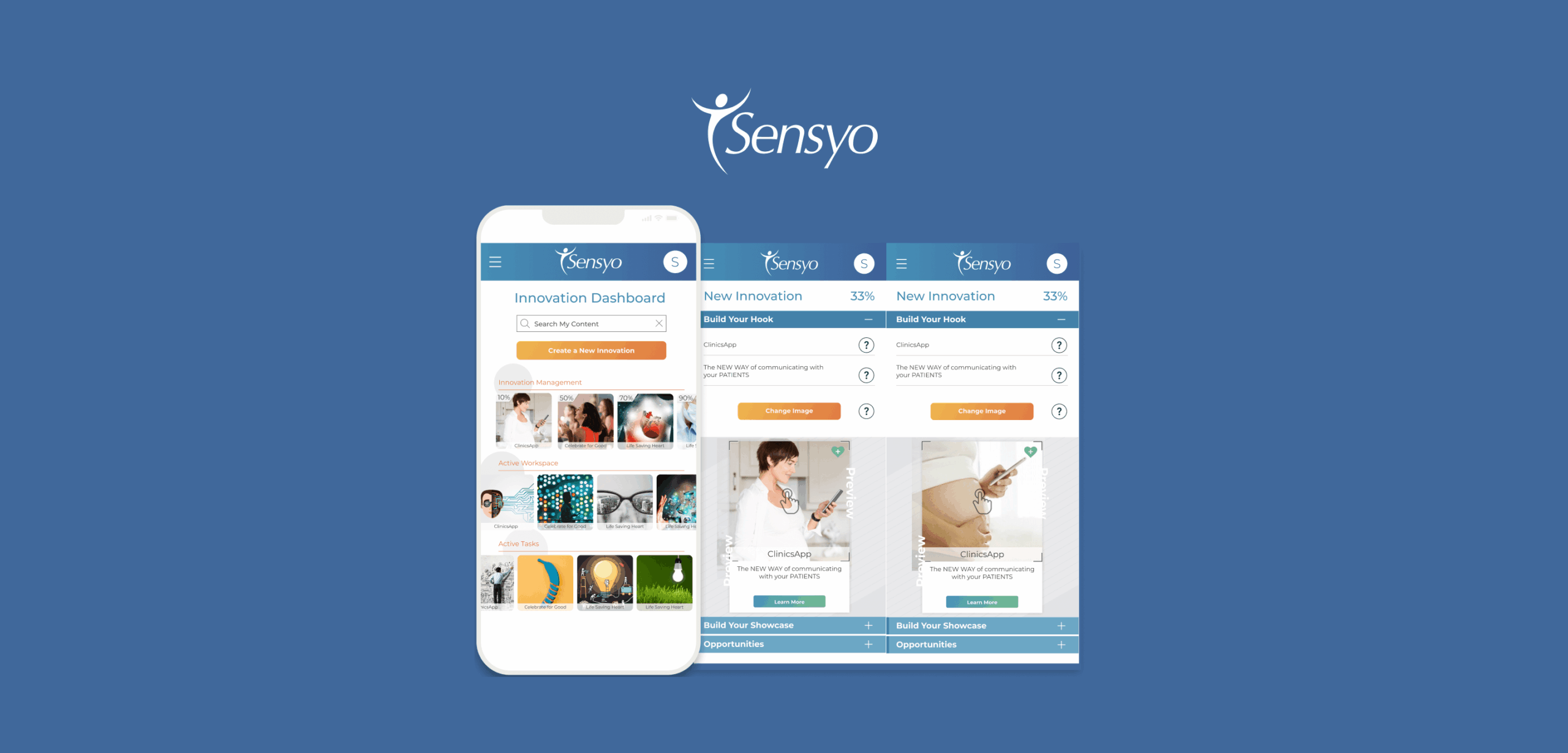
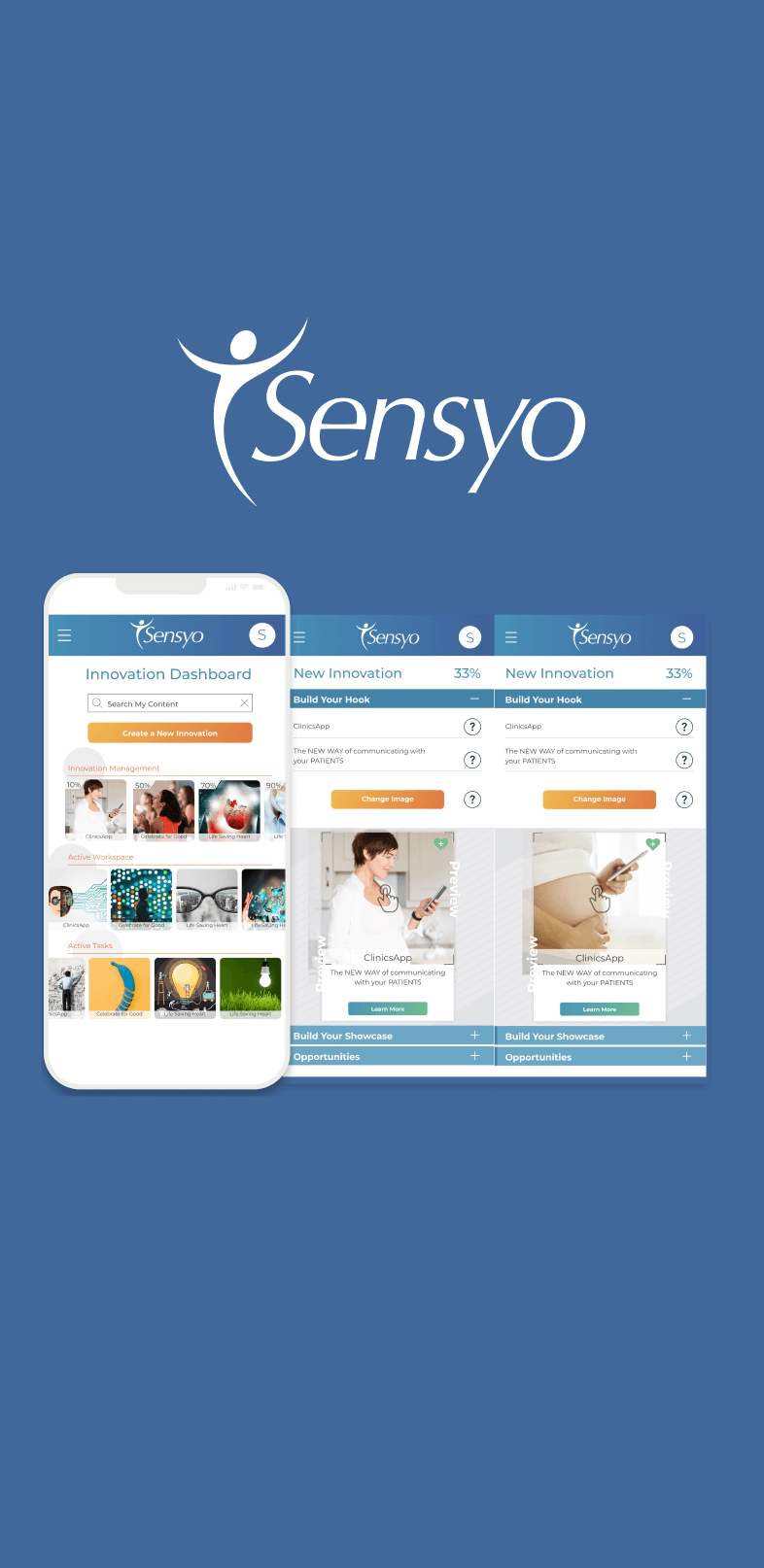
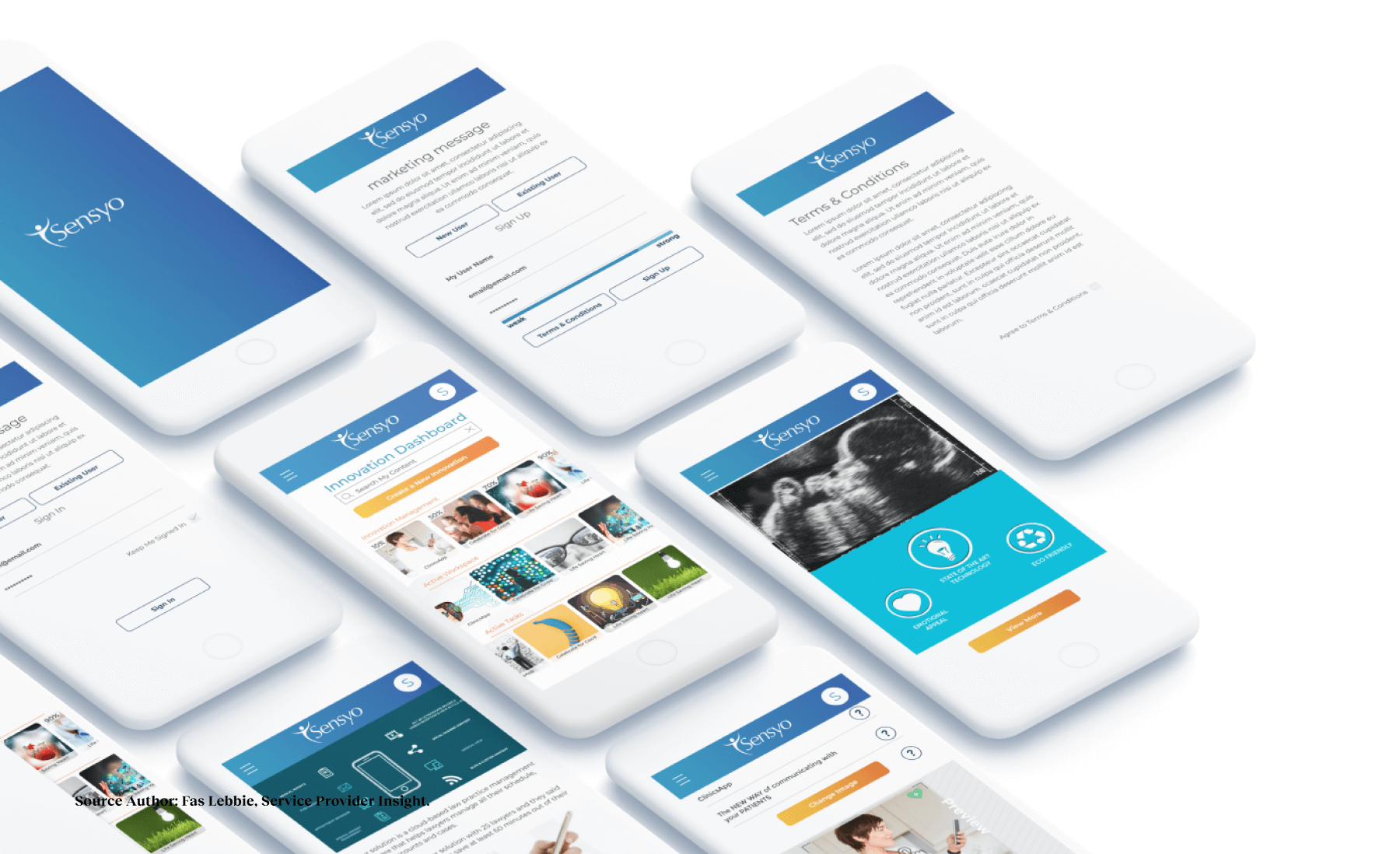
We designed Sensyo as a digital marketplace that connects healthcare innovators, investors, and service providers in one platform. The product enables innovators to showcase medical breakthroughs securely, investors to easily evaluate and fund promising solutions, and service providers to offer support. By streamlining discovery, communication, and collaboration, Sensyo removes systemic barriers and accelerates the path from invention to real-world impact.


Toolkit, Methods & Frameworks
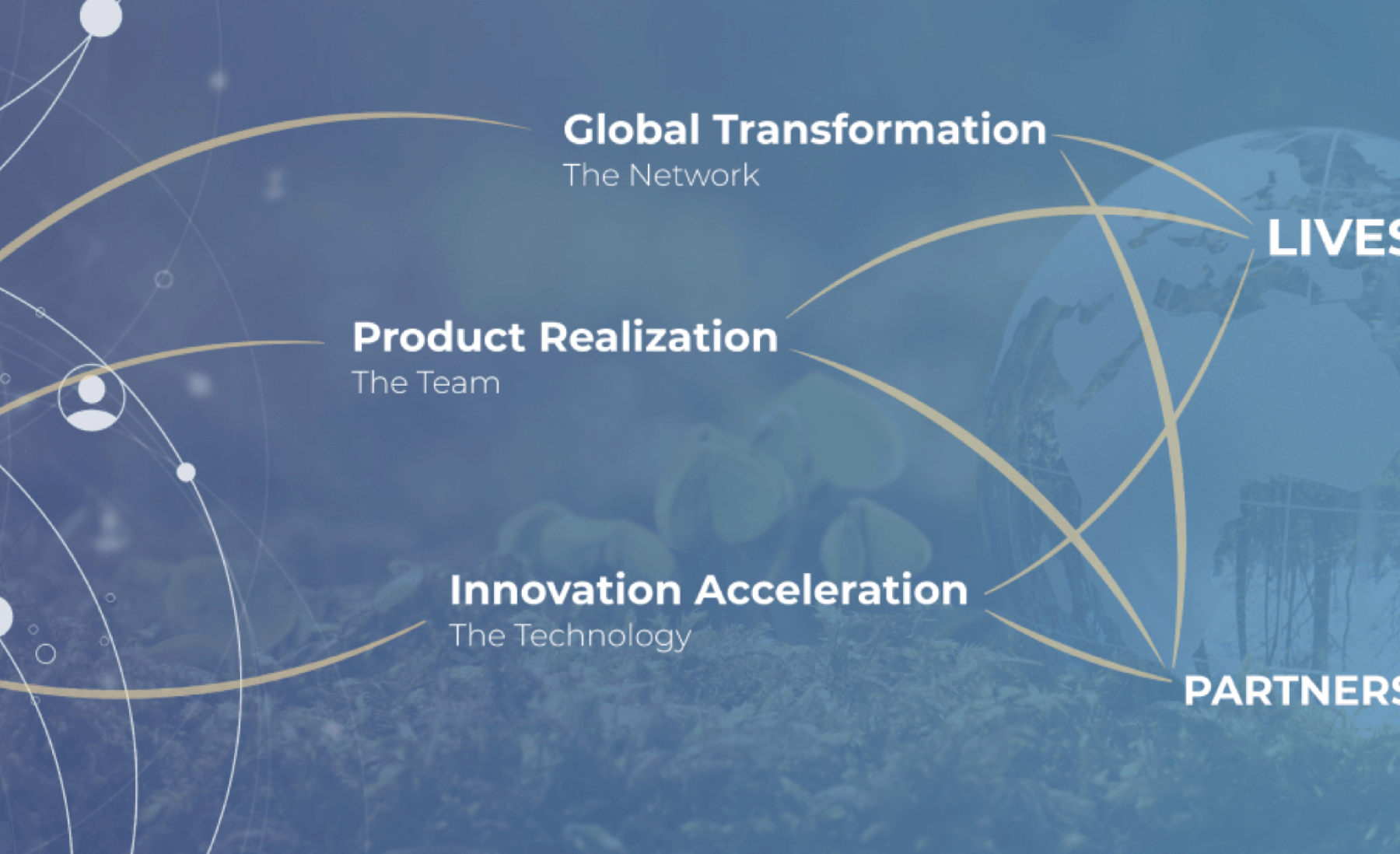
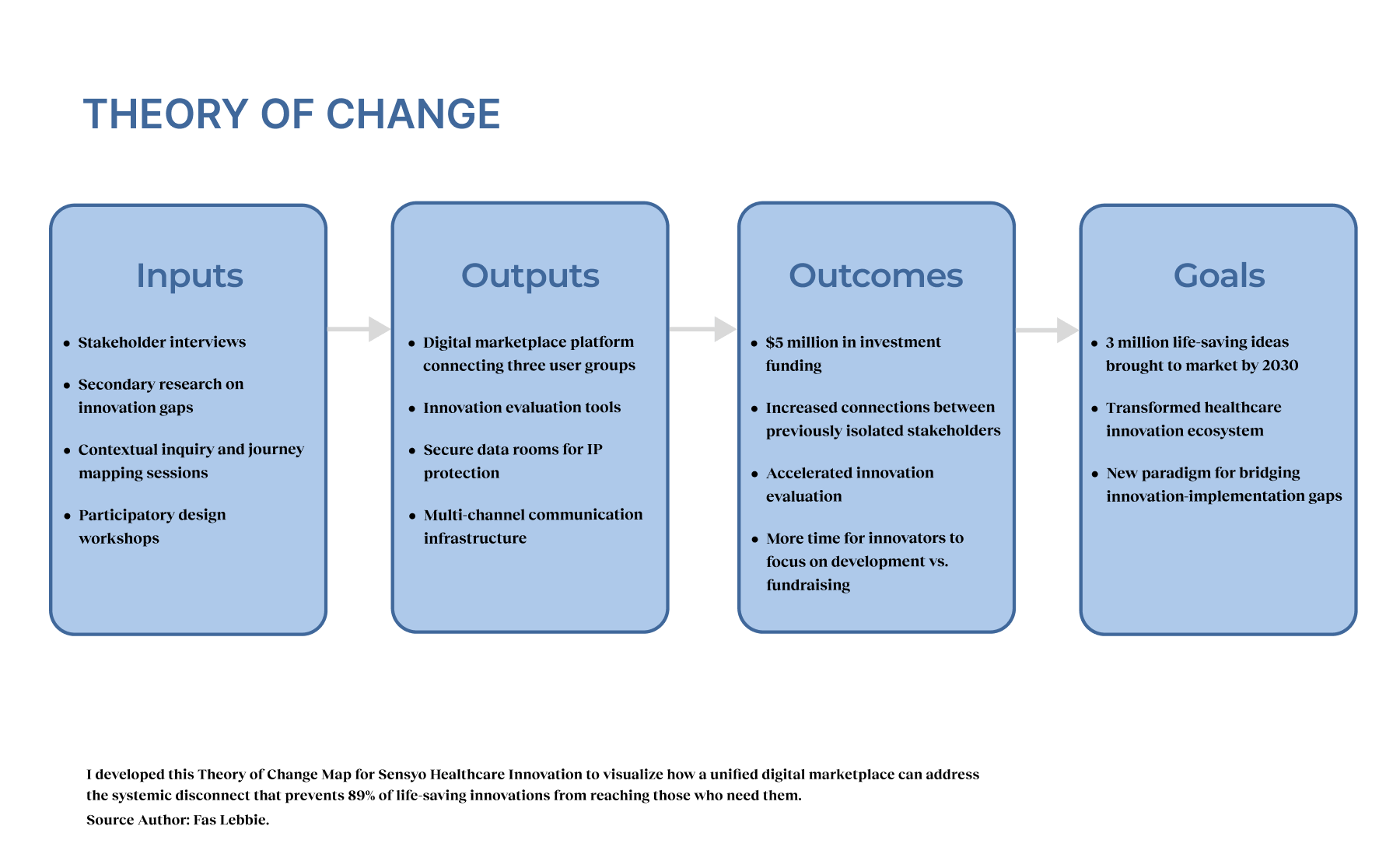
Some methods and frameworks used were ecosystem mapping, user journey mapping, persona research, and the Theory of Change, which collectively help to design Sensyo’s healthcare innovation platform. These frameworks guided MVP development, progressive disclosure, secure IP data rooms, and trust touchpoints.
Decrease in Time-to-partner for Healthcare Innovators
Enabled by mapping trust touchpoints and streamlining the innovation submission journey, reducing months-long investor discovery into a weeks-long matchmaking experience.
Innovations Unlocked Through Strategic Academic and Investor Pipelines
Based on IP mapping across Harvard, Utah, and partner institutions, powered by our scalable ecosystem framework and platform MVP.
Key Partners: Harvard University & University of Utah
Strategic academic partnerships providing innovation pipeline and research credibility for platform development.
Reflections & Impact
Sensyo’s platform is on the verge of securing $5 million in investment funding, demonstrating market confidence in our solution. Sensyo aims to create a unified ecosystem for healthcare innovation, positioned to transform how life-saving ideas reach those in need. With growth and adoption, Sensyo could facilitate the commercialization of three million life-saving ideas by 2030, addressing critical healthcare challenges worldwide. The platform establishes a new paradigm applicable to other sectors facing disconnects between innovation and implementation. Sensyo creates a sustainable framework for ongoing innovation by connecting people rather than just ideas. As Sam, the founder, noted, “This isn’t just another platform — it’s a new way of thinking about how we bring healthcare solutions to market.
Next Steps
- Launch pilot programs with partner universities to test the MVP, gather real-world feedback, and refine platform features with academic innovators.
- Begin onboarding investors and innovators to validate the platform’s matchmaking process and generate early success stories.
- Expand regulatory and IP support features to help innovators navigate commercialization with tools identified during research.
- Convert the exhibition into a working incubator to support underrepresented healthcare inventors and sustain platform-driven innovation.