Overview
The OC Links platform streamlines mental health and substance use support for Orange County residents by connecting them to trained clinician Navigators via phone or chat, 24/7. By replacing fragmented crisis response systems with a unified, human-centered approach, we accelerate care access in critical moments. Through UX-centered design, real-time integration, and stakeholder collaboration, our solution cut average response times by 47% and boosted successful referrals by 35%.
Research & Design
Mixed-methods research approach · Integrated platform design · Accessibility & privacy compliance · Healthcare privacy compliance · Crisis workflow analysis · Stakeholder activity mapping · Ecosystem mapping · Theory of Change
- Duration: April 2021–February 2022
- Partners: CalMHSA, OC Links, NAMI, Crisis, Chorus Innovations
- Team: Fas Lebbie, Kris Guadarrama
Confidentiality: Some details have been altered to safeguard sensitive information, while highlighting my design approach and insights to maintain confidentiality.
My Role
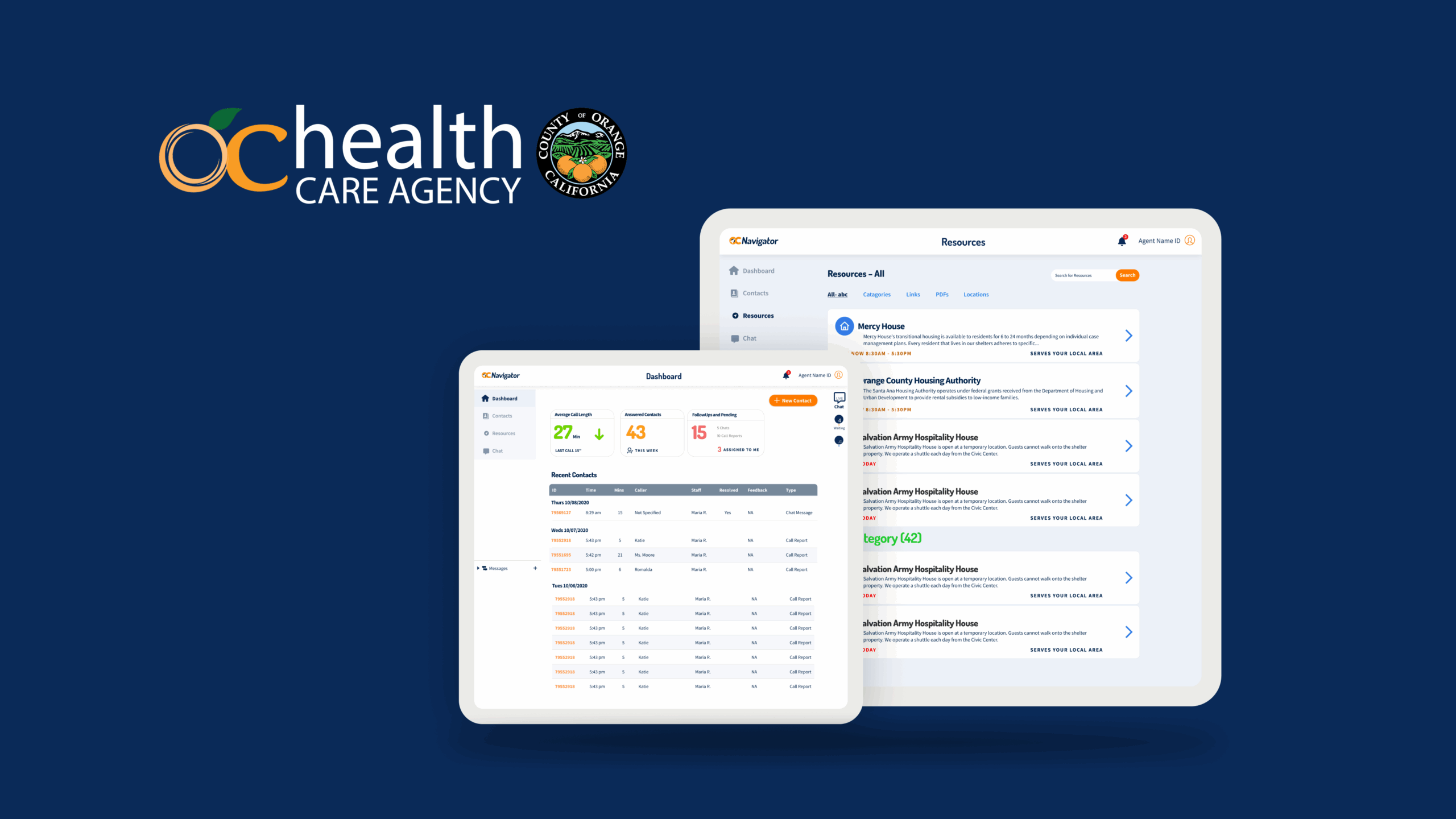
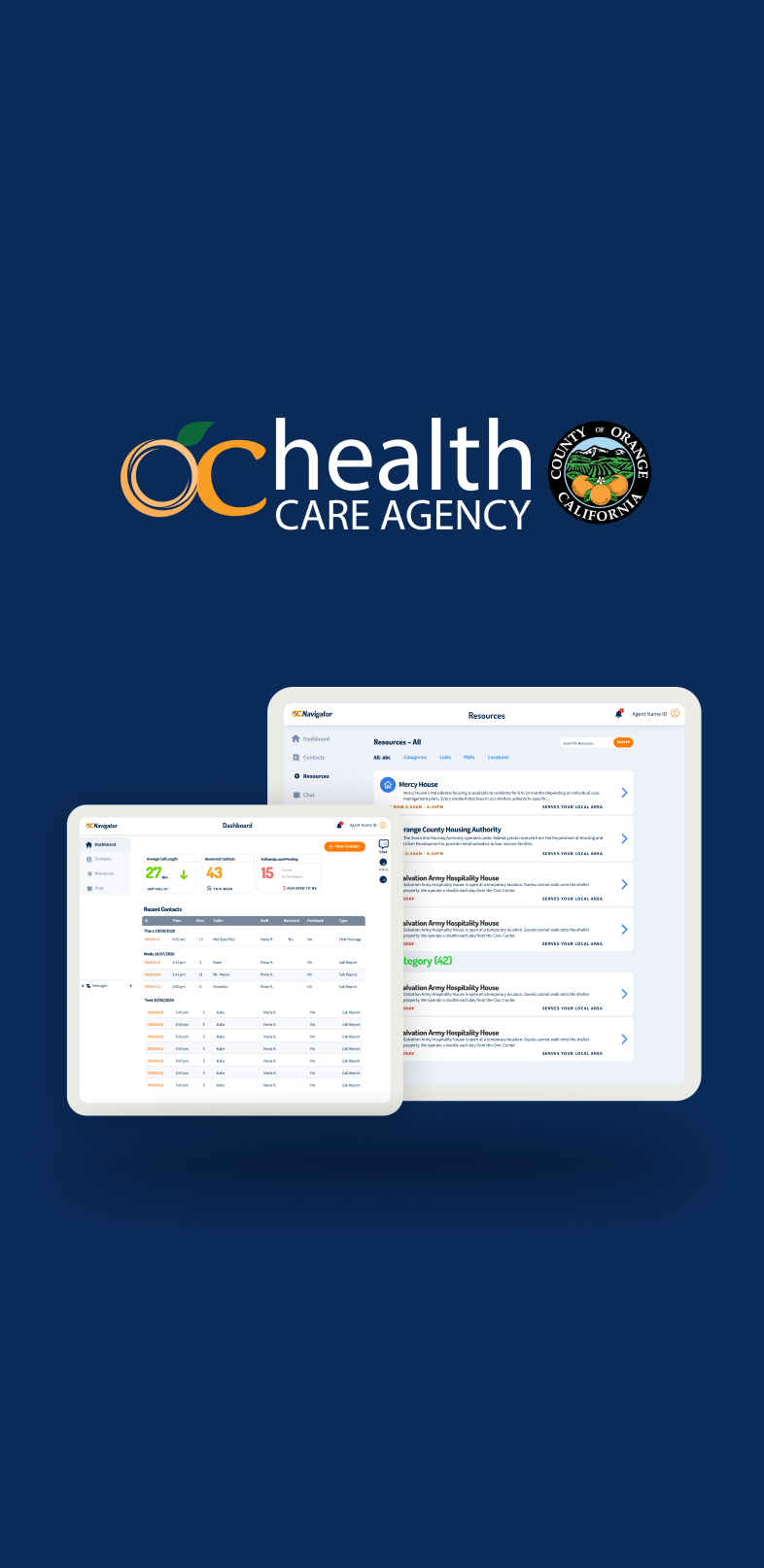
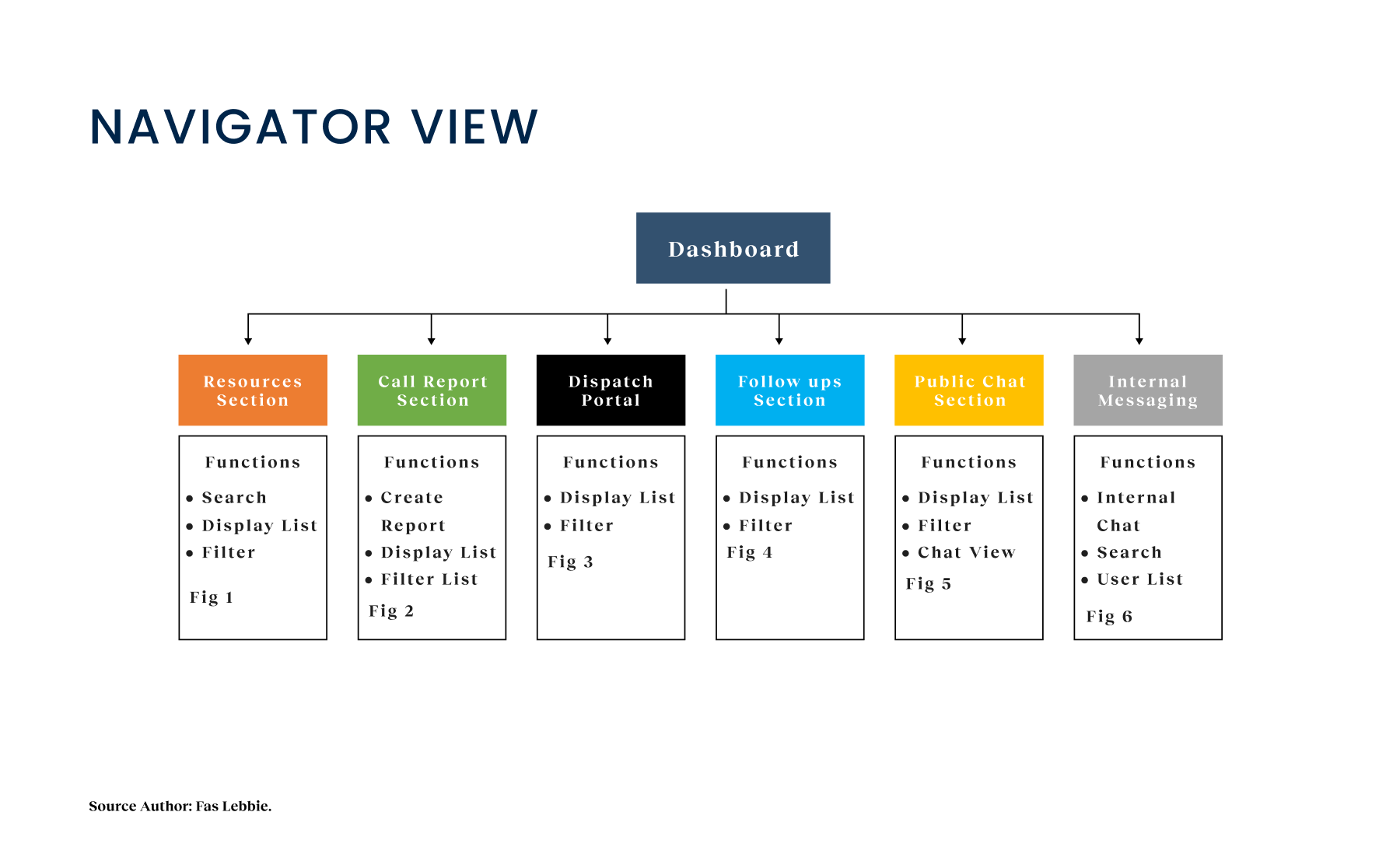
I directed the experience design for core call management and chat systems, developed an integrated resource directory and referral workflow, conducted qualitative and quantitative research with crisis responders and clients, and designed web app interfaces that effectively balanced clinical needs with user experience best practices.
WHAT I BROUGHT
Directed mixed-methods research and crisis workflow analysis to uncover inefficiencies, map ecosystems, and generate evidence-based design opportunities.
Designed and tested an integrated platform that interfaces with accessibility and privacy compliance, while coordinating with OC Links, Crisis Team, and NAMI/WarmLine to streamline workflows, reduce response times by 47%, and increase referrals by 35%.
Problem Context
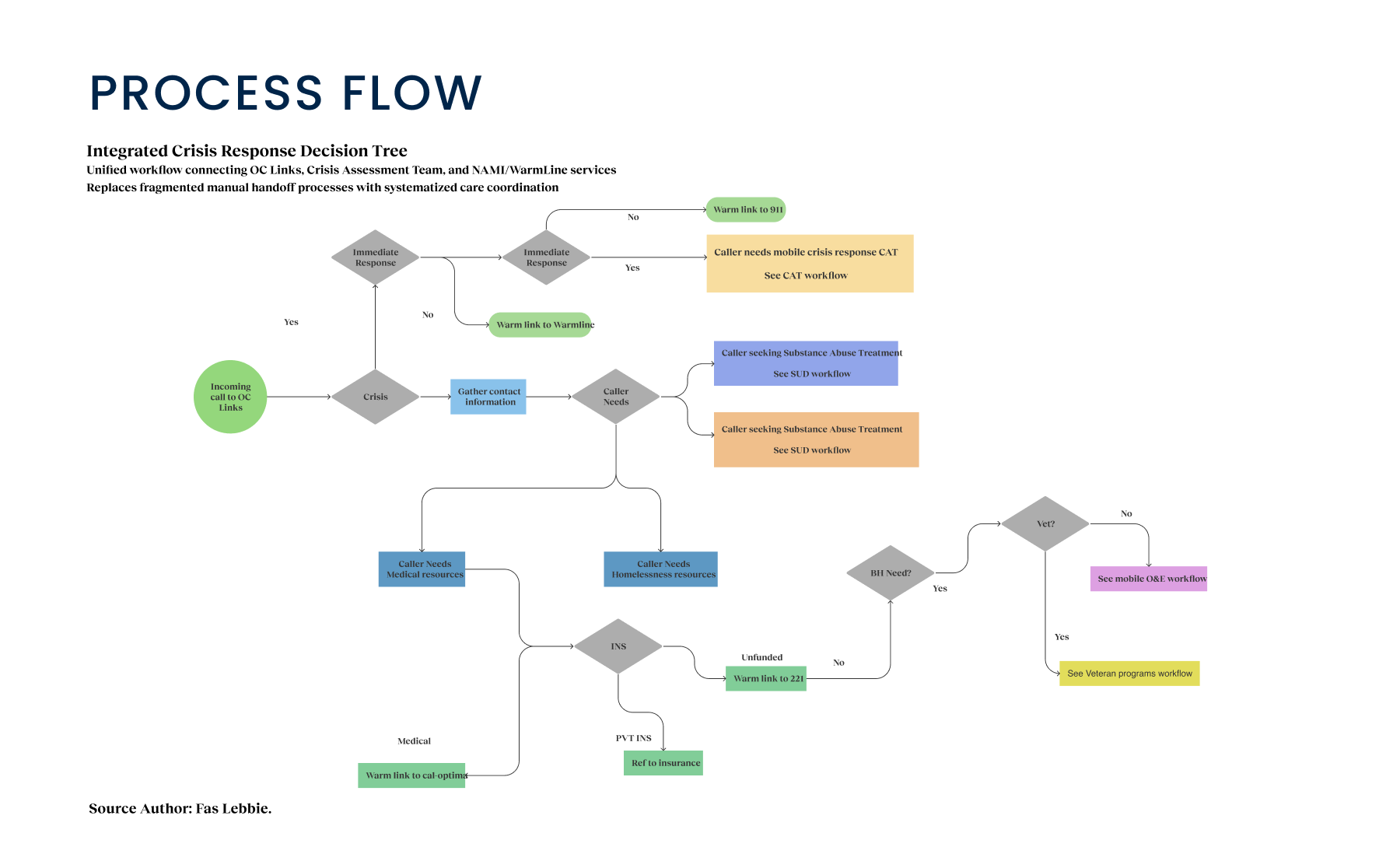
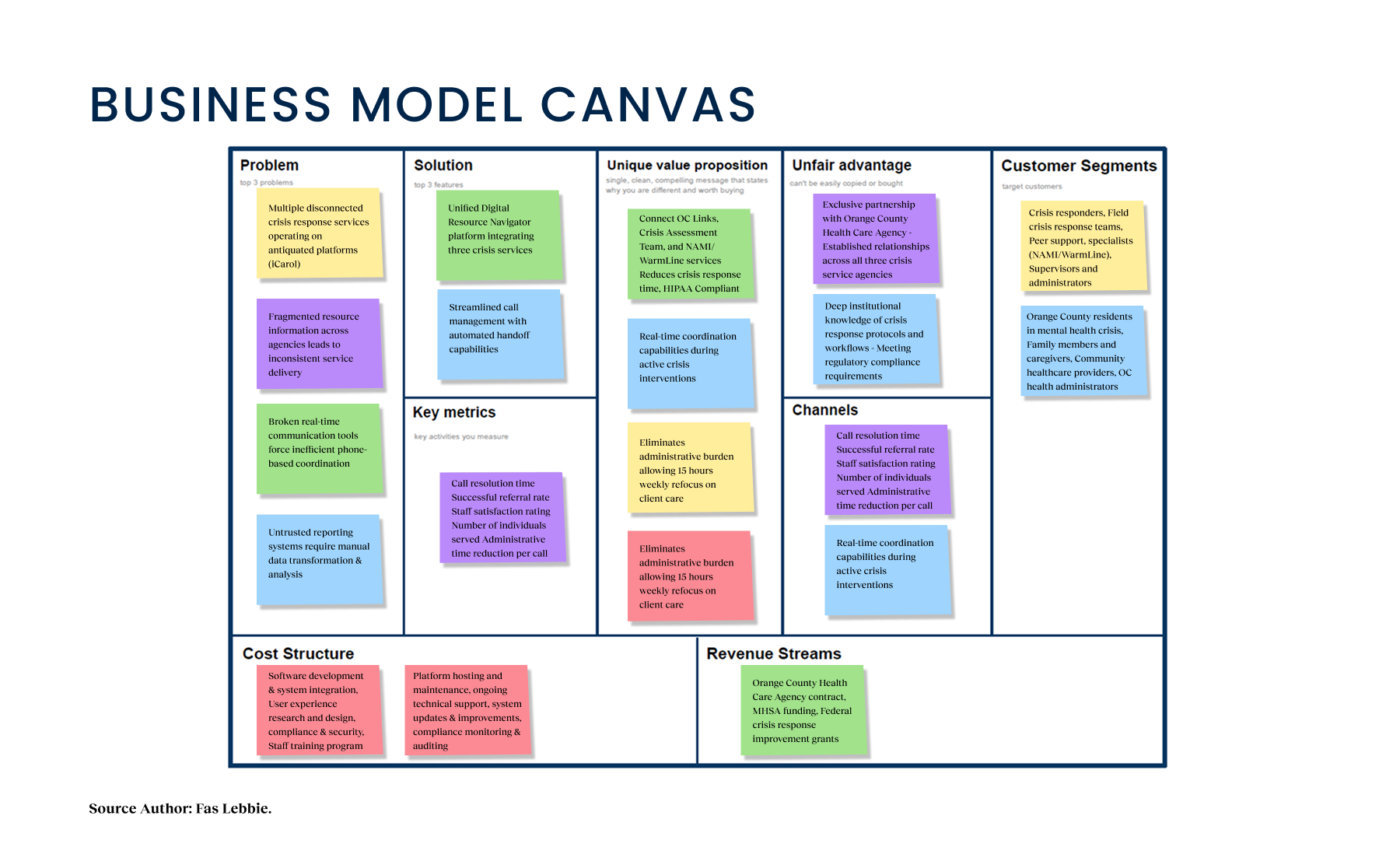
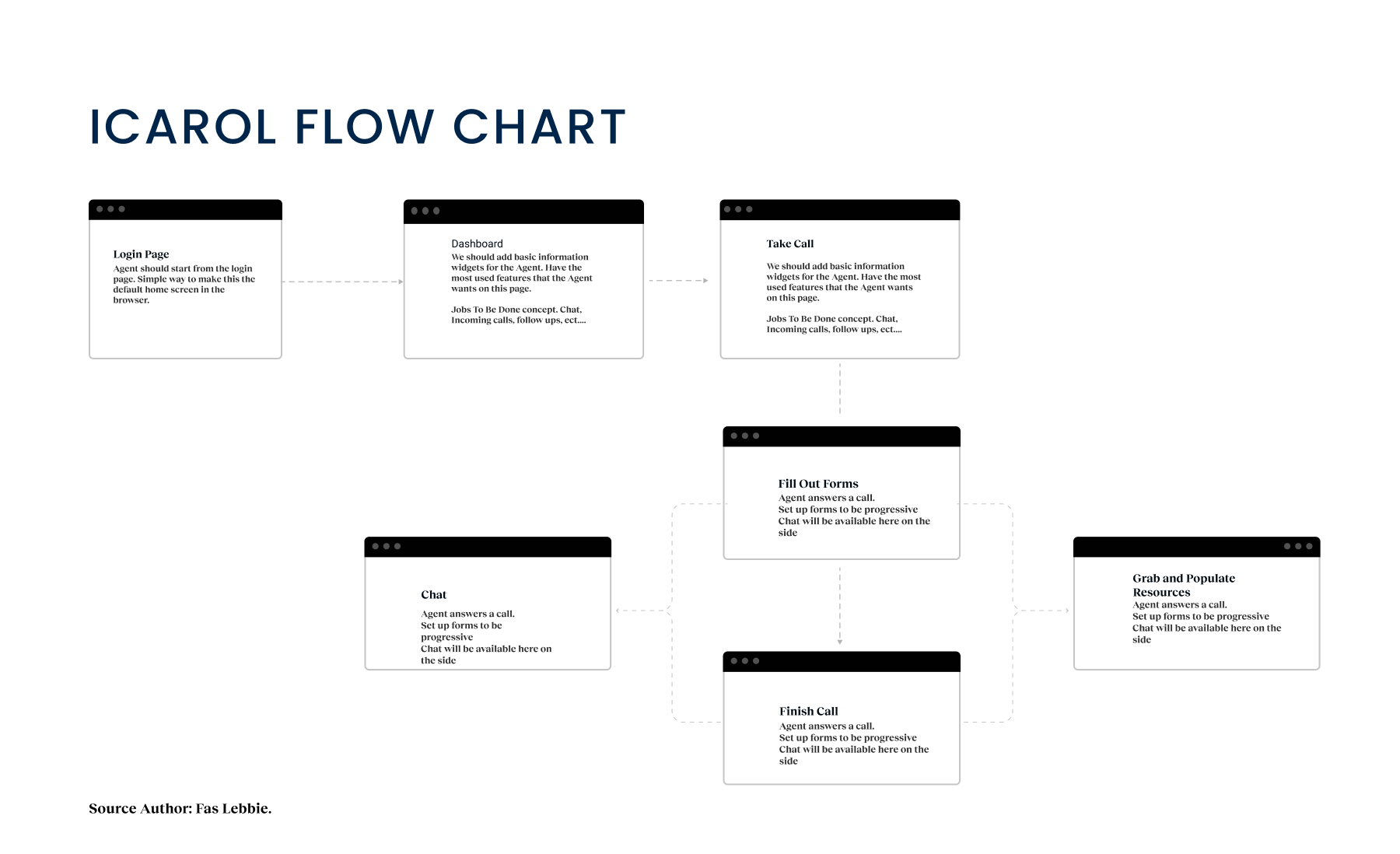
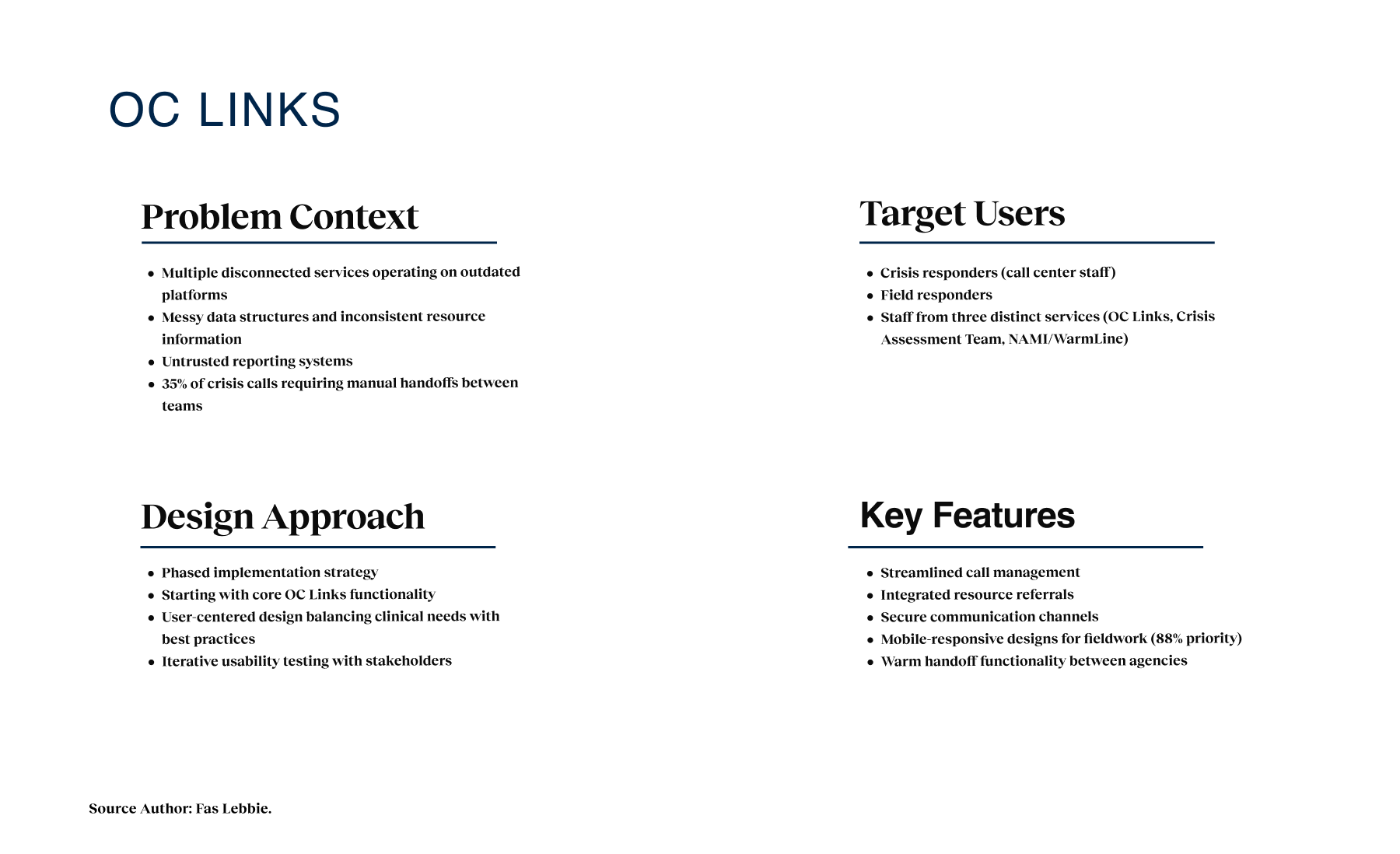
The mental health crisis response system in Orange County consisted of multiple disconnected services on outdated platforms. Crisis responders used an antiquated software system (iCarol) that was difficult to navigate, while resource management had messy data structures and inconsistent information. The system made it difficult to track calls, coordinate responses, or facilitate handoffs between agencies. Real-time communication tools were broken or missing, and reporting systems were untrustworthy, requiring significant manual data transformation. These issues created critical gaps in addressing mental health crises, especially for vulnerable populations that needed immediate intervention. With three interconnected services (OC Links, Crisis Assessment Team, and NAMI/WarmLine) on separate systems, a unified crisis management approach was required. This fragmentation led to inefficient resource allocation, response delays, and missed intervention opportunities. The county recognized the need for a design-led approach to integrate these services and improve experience while enhancing each team’s capabilities to better serve the community.
My Approach
I applied mixed-methods research, workflow analysis, and participatory design with crisis responders to streamline fragmented systems, enhance secure communication, and accelerate care coordination.
Design Process
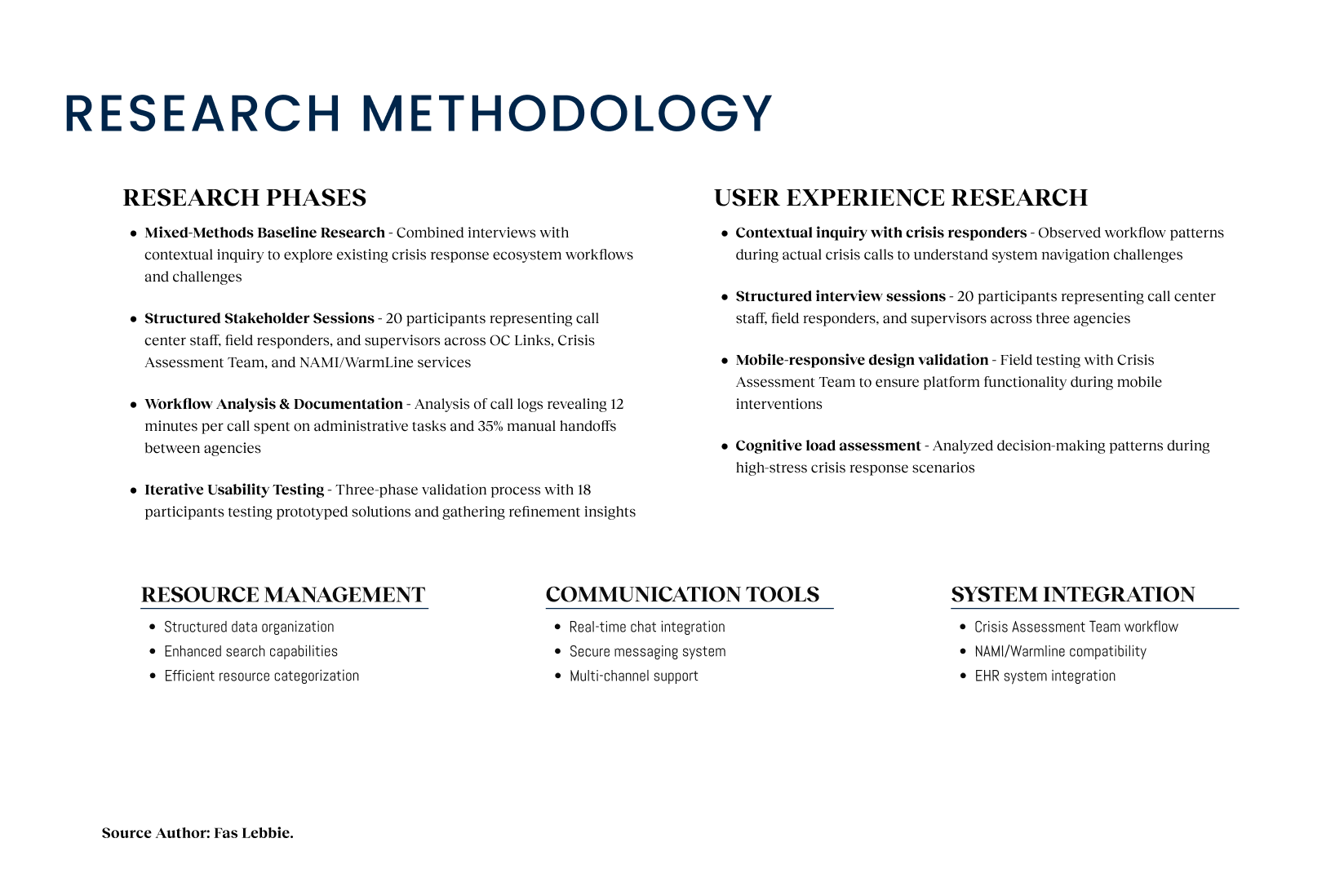
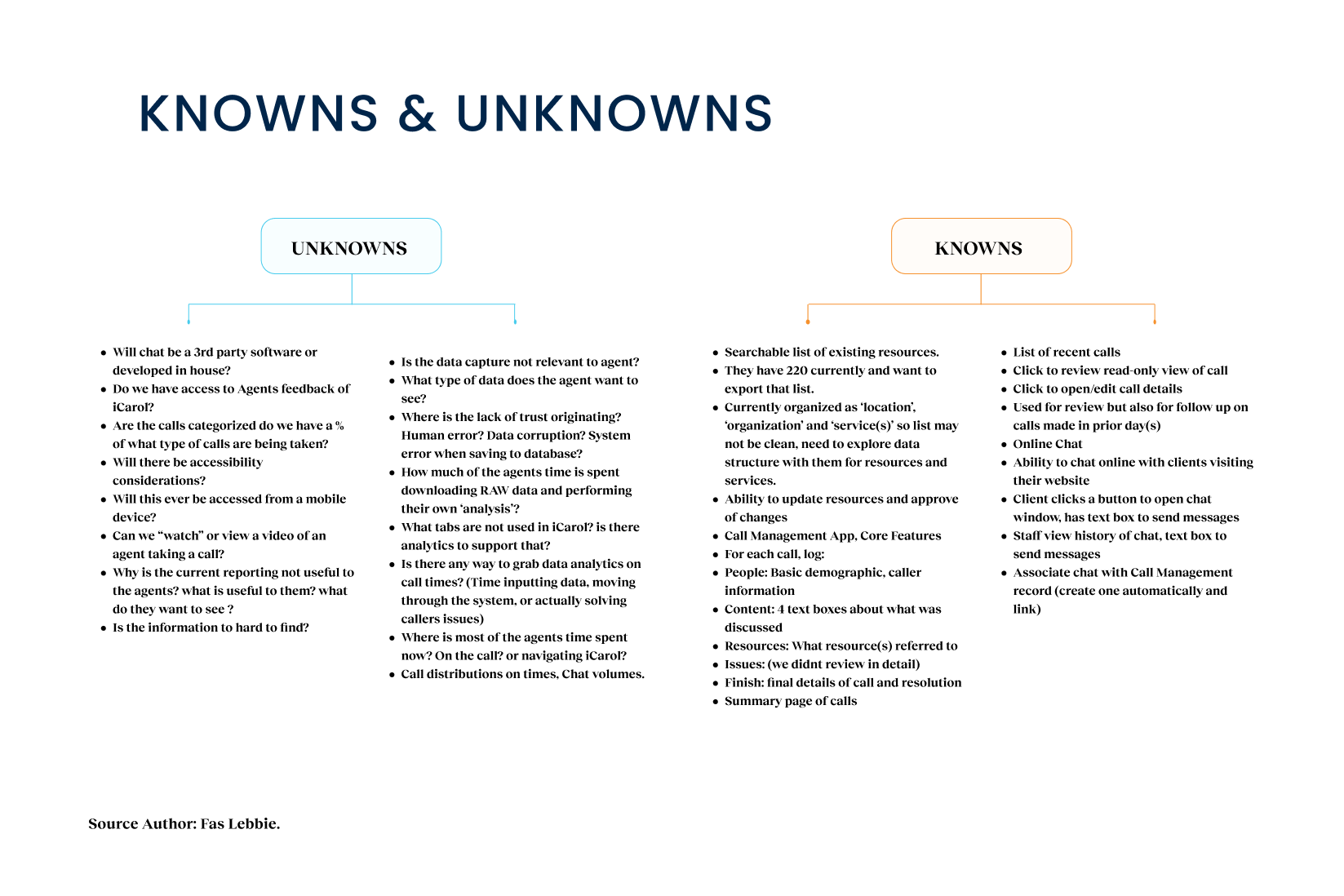
The research utilized a mixed-methods approach, combining interviews with contextual inquiry to explore the workflow of crisis responders. My research objective was to understand the existing crisis response ecosystem in Orange County. The system was fragmented, with three distinct services (OC Links, Crisis Assessment Team, and NAMI/WarmLine) operating on separate platforms despite serving overlapping populations. I conducted structured sessions with 20 participants representing different roles across the crisis response system, from call center staff to field responders. Each session uncovered workflow challenges and informal workarounds that highlighted key opportunities.
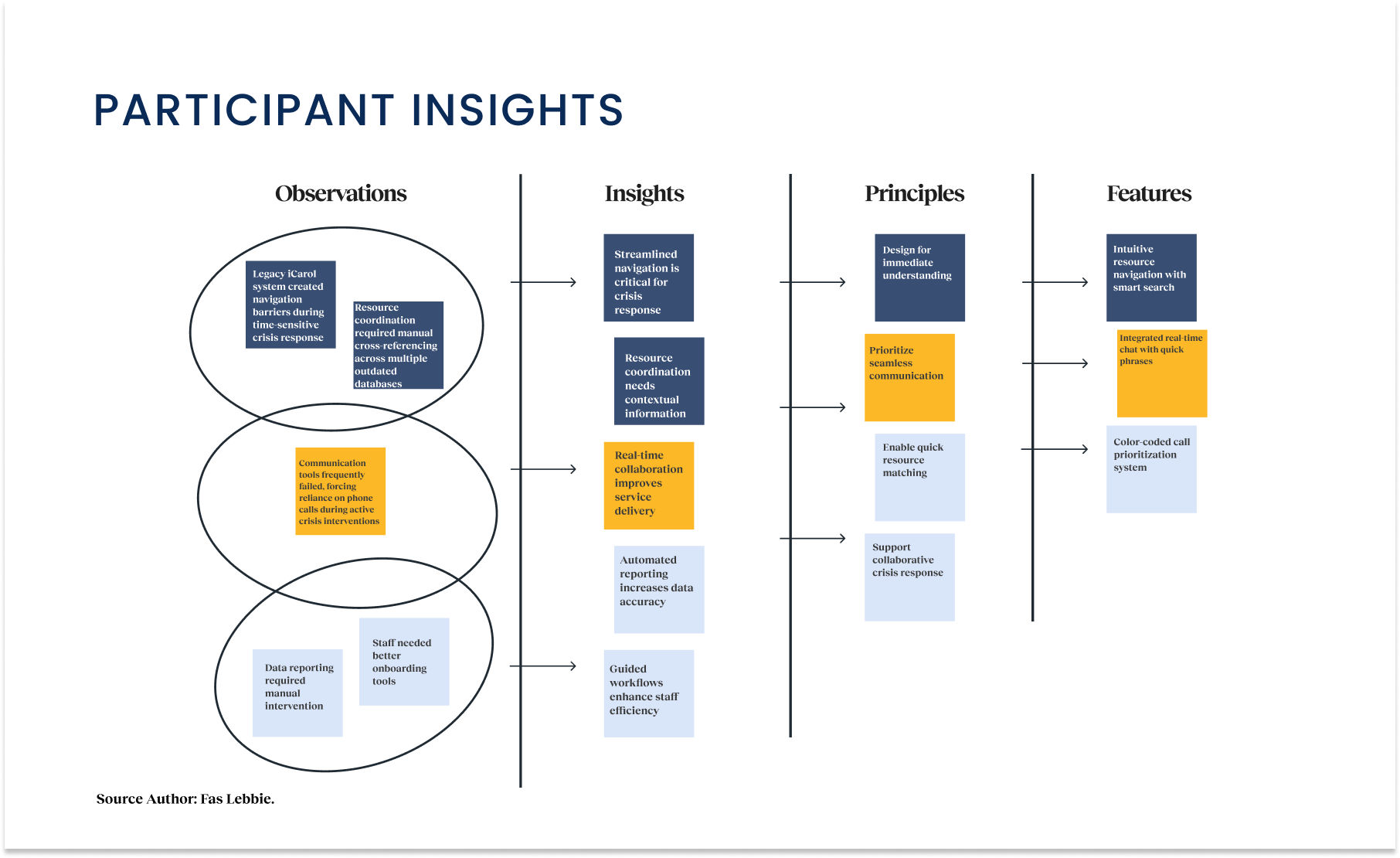
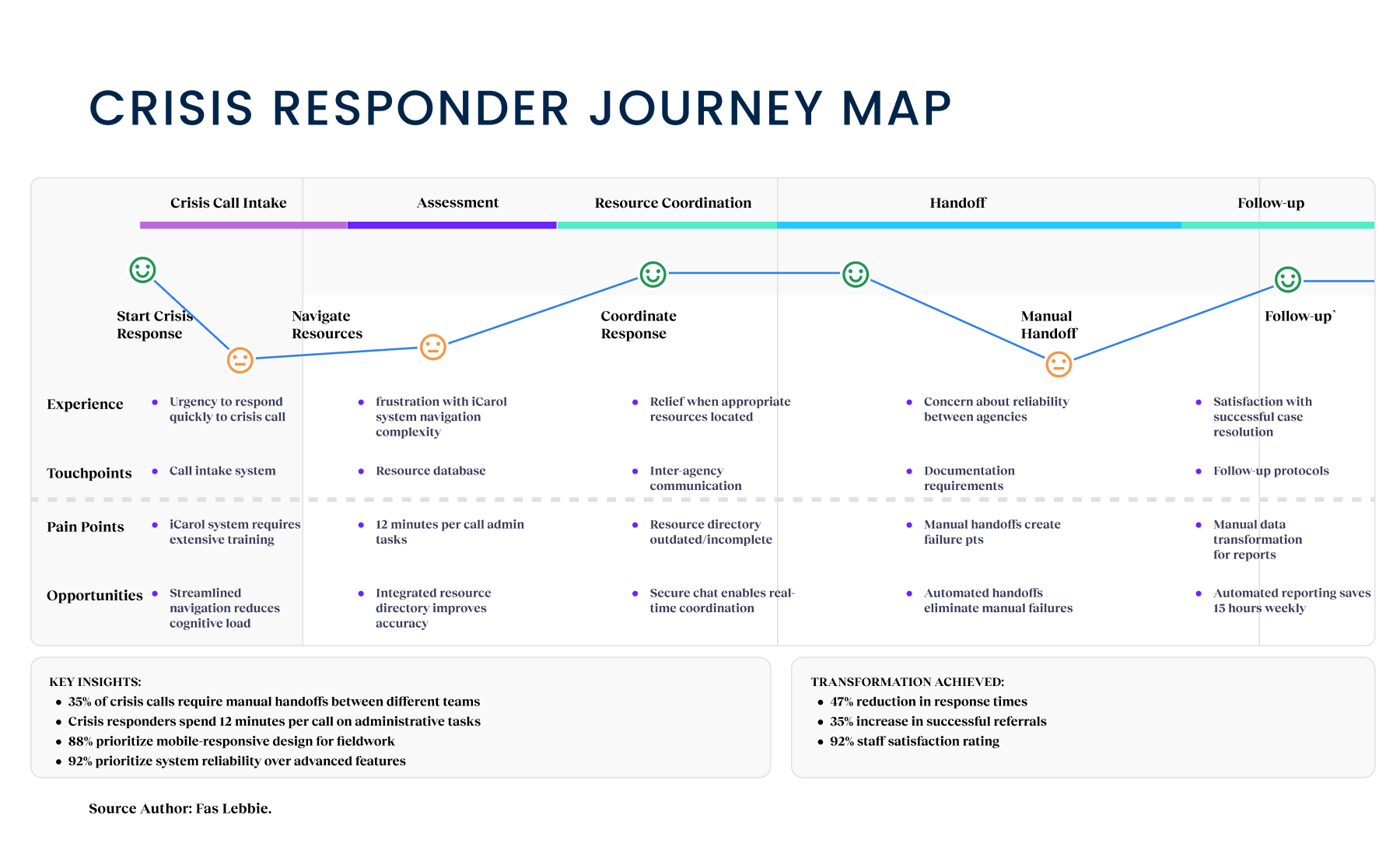
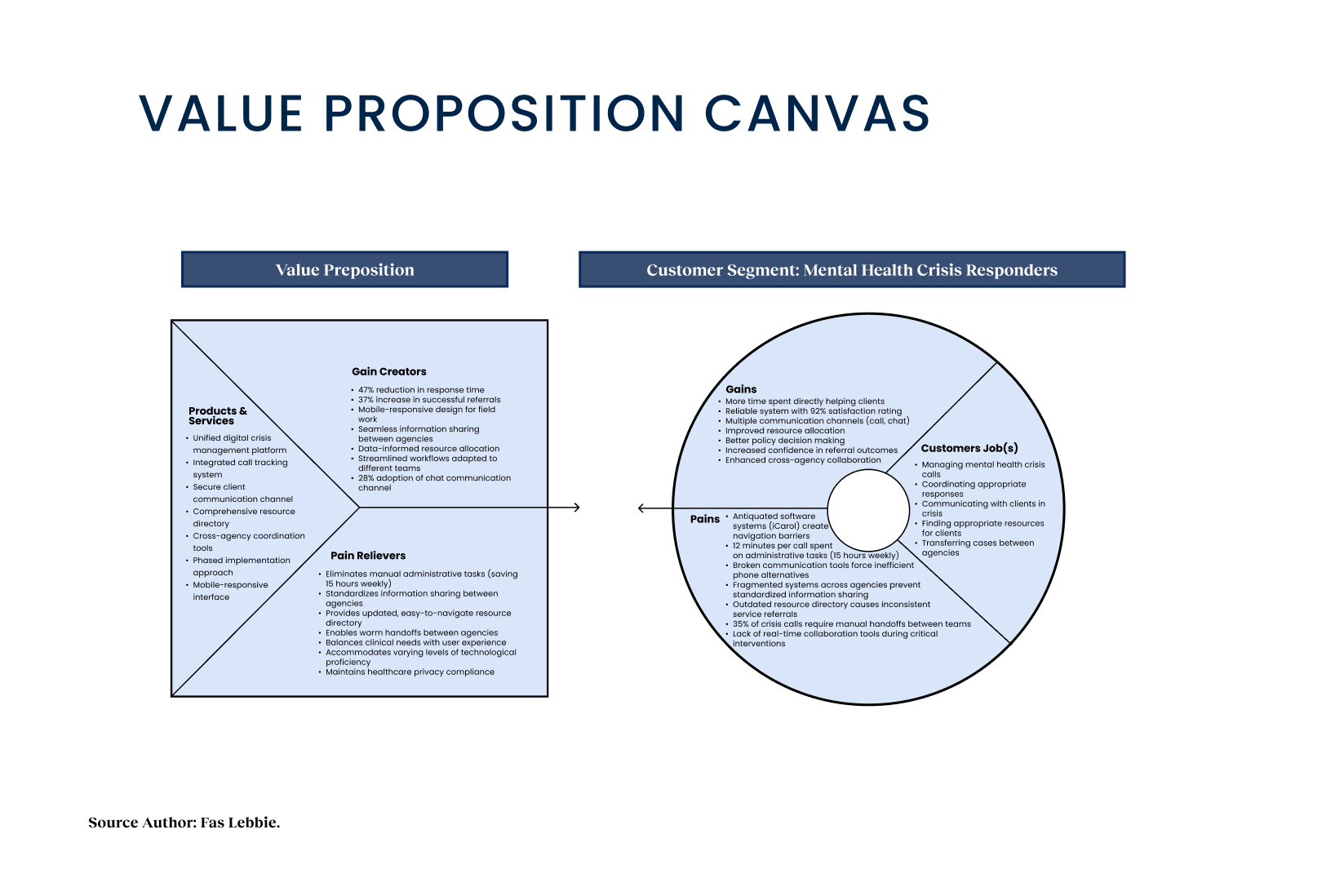
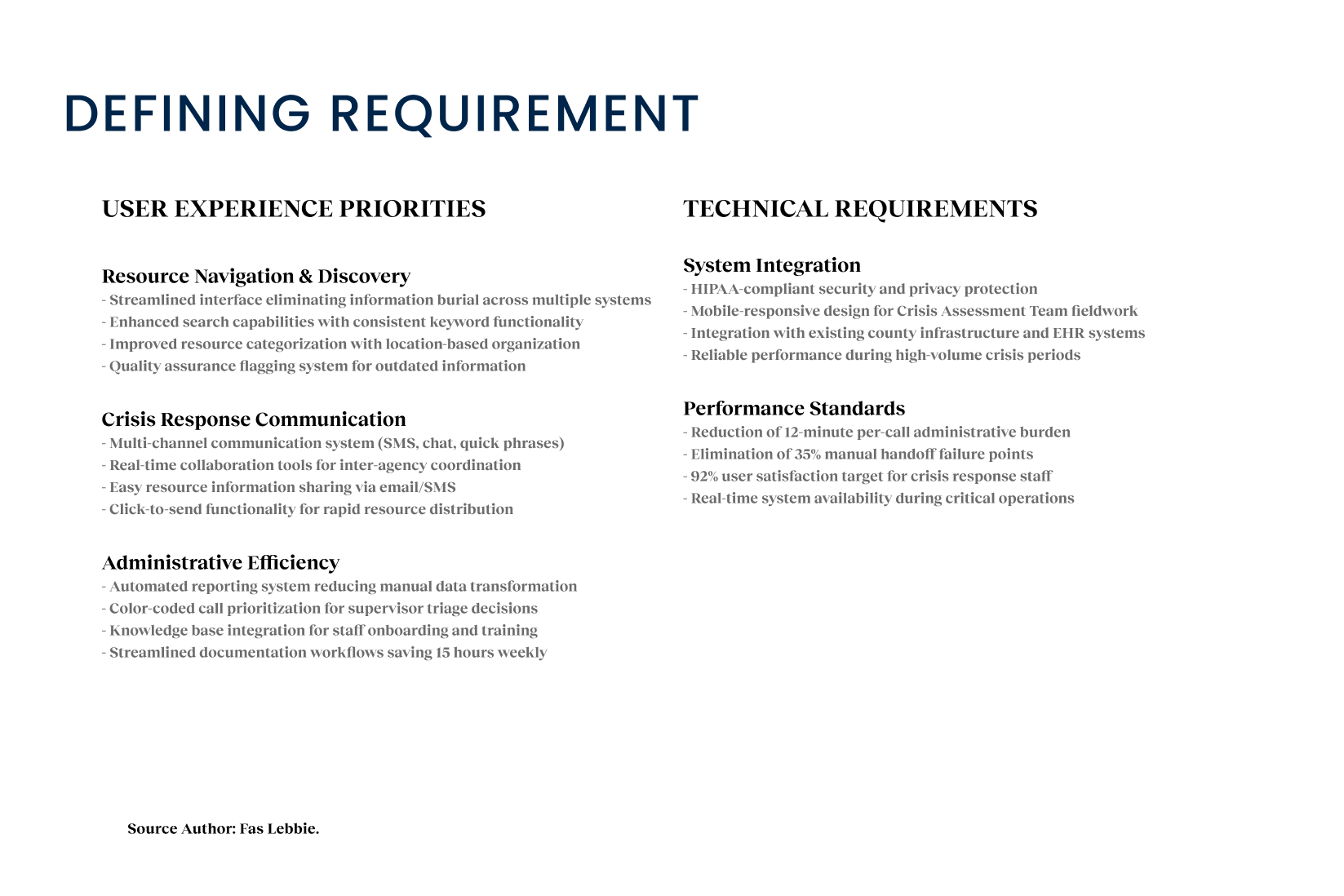
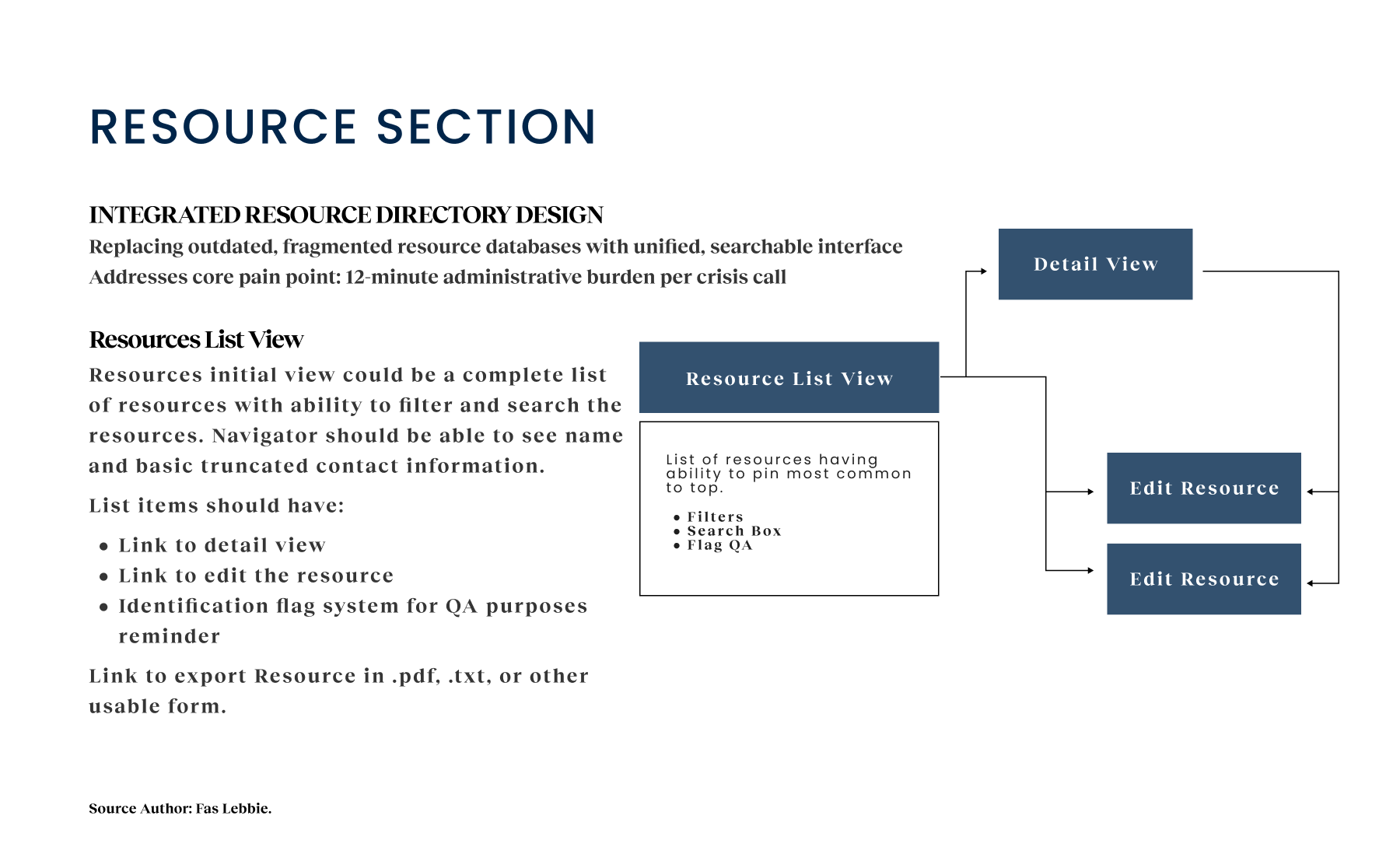
Our research shows crisis responders handled complex cases with inadequate tools, often using manual workarounds that caused delays and errors. Analysis of call logs revealed responders spent 12 minutes per call on administrative tasks instead of direct support, totaling 15 hours weekly that could be automated — a significant cost in a resource-limited setting. Call tracking data indicated that 35% of cases involved multiple agencies yet lacked a standardized information-sharing method. The resource directory, vital for referrals, was often outdated and hard to navigate, causing inconsistent service. The chat functionality was unreliable, forcing phone calls when text communication would have been more effective. Using permission structures, question lists, and service flow diagrams from the county, we identified that responders spent excessive time navigating systems rather than helping clients, especially with resource referrals and inter-agency communication. Based on these insights, we developed three core use cases:
- Accommodate varying technological proficiency among staff while maintaining healthcare privacy compliance.
- Facilitate seamless information flow between teams without disrupting workflows.
- Provide intuitive navigation and clear visual hierarchies to support decision making in high-stress situations.
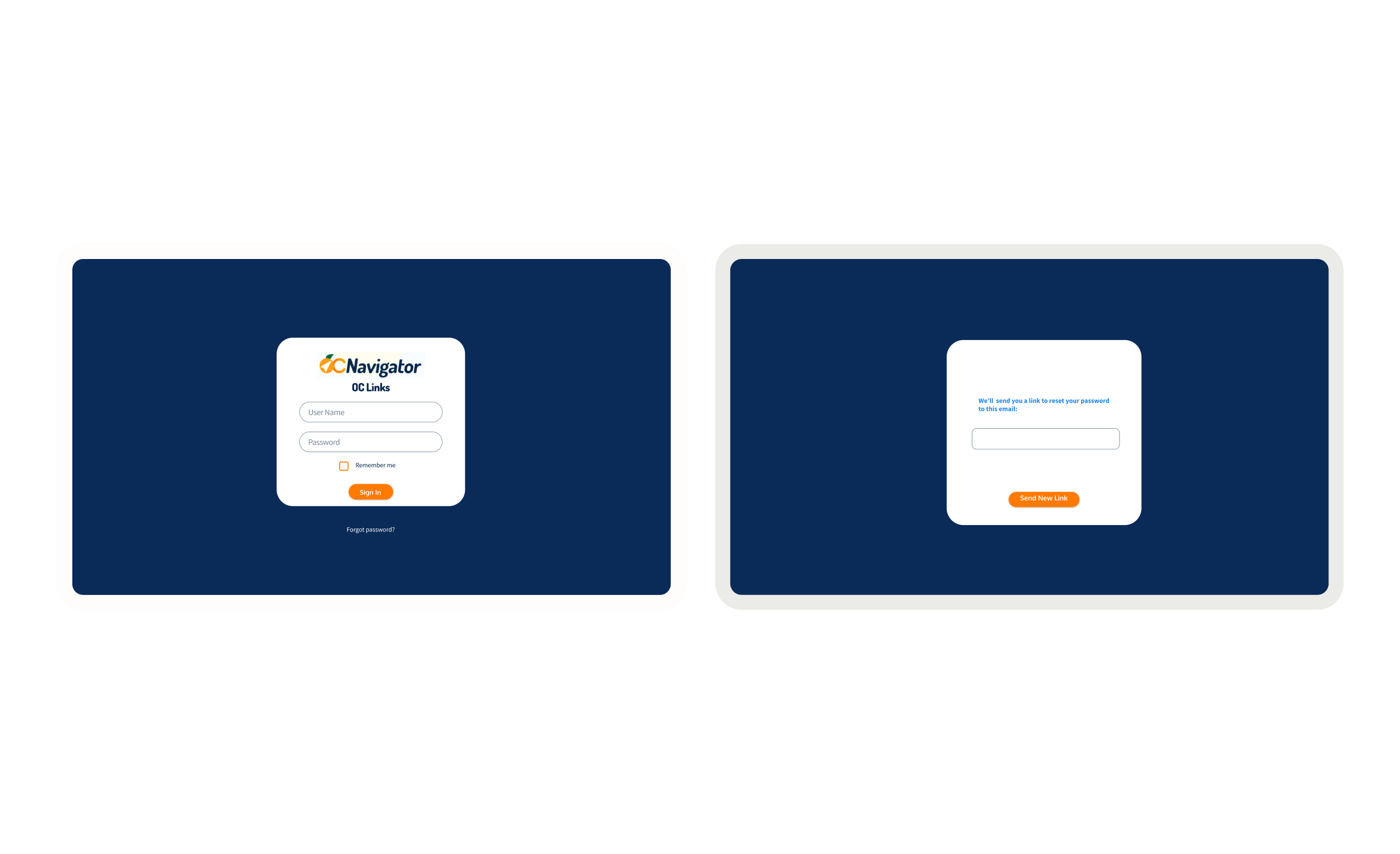
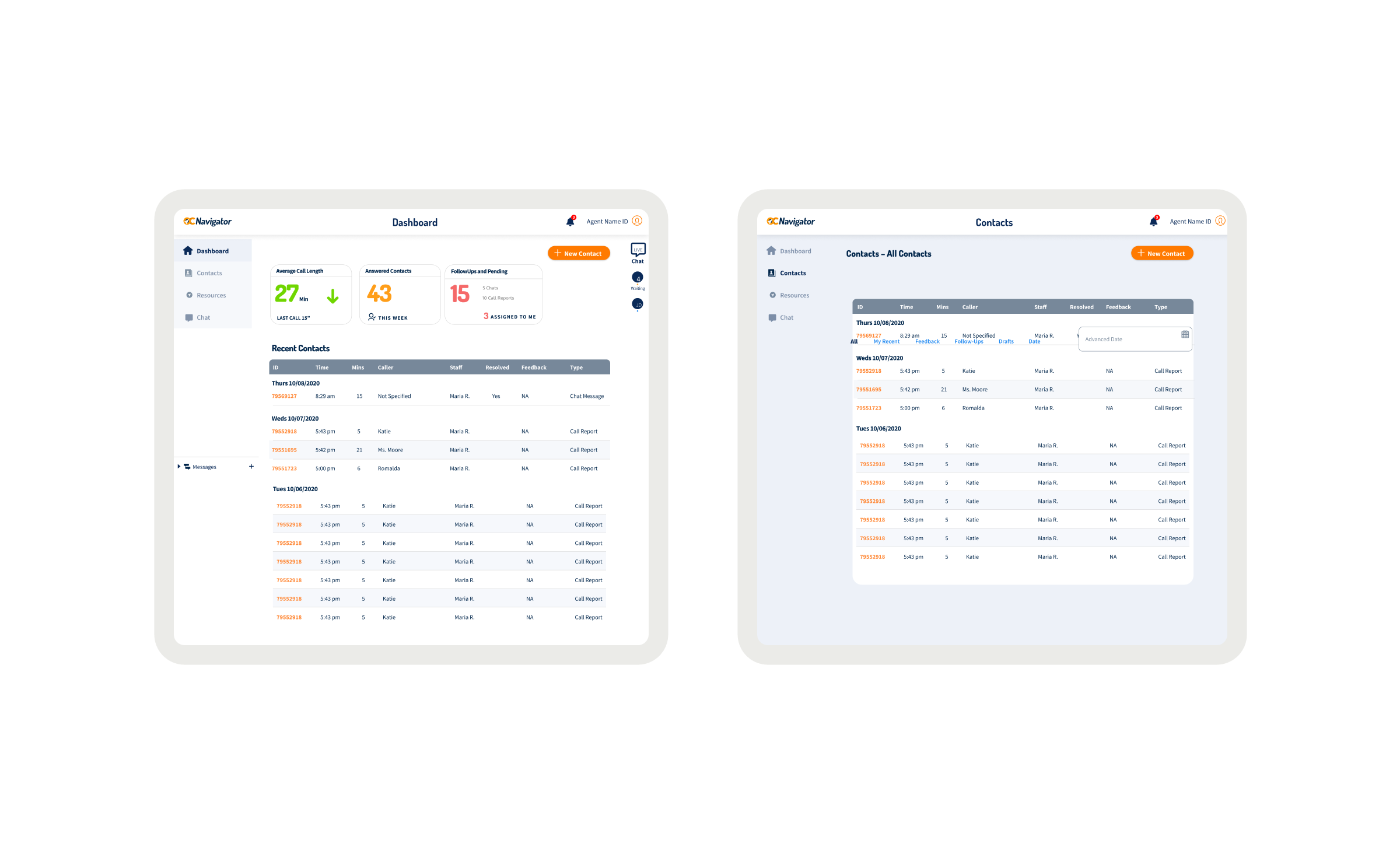
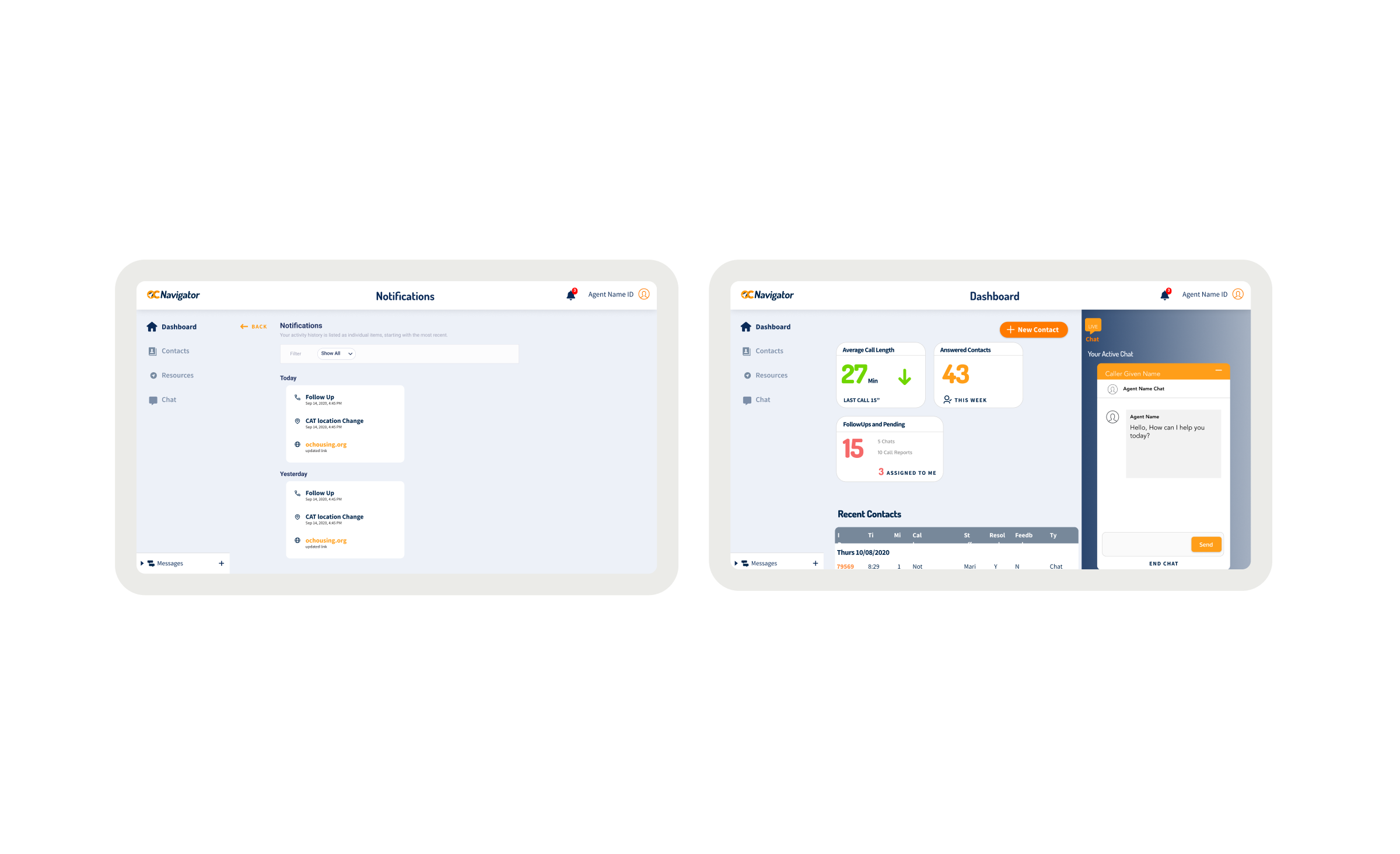
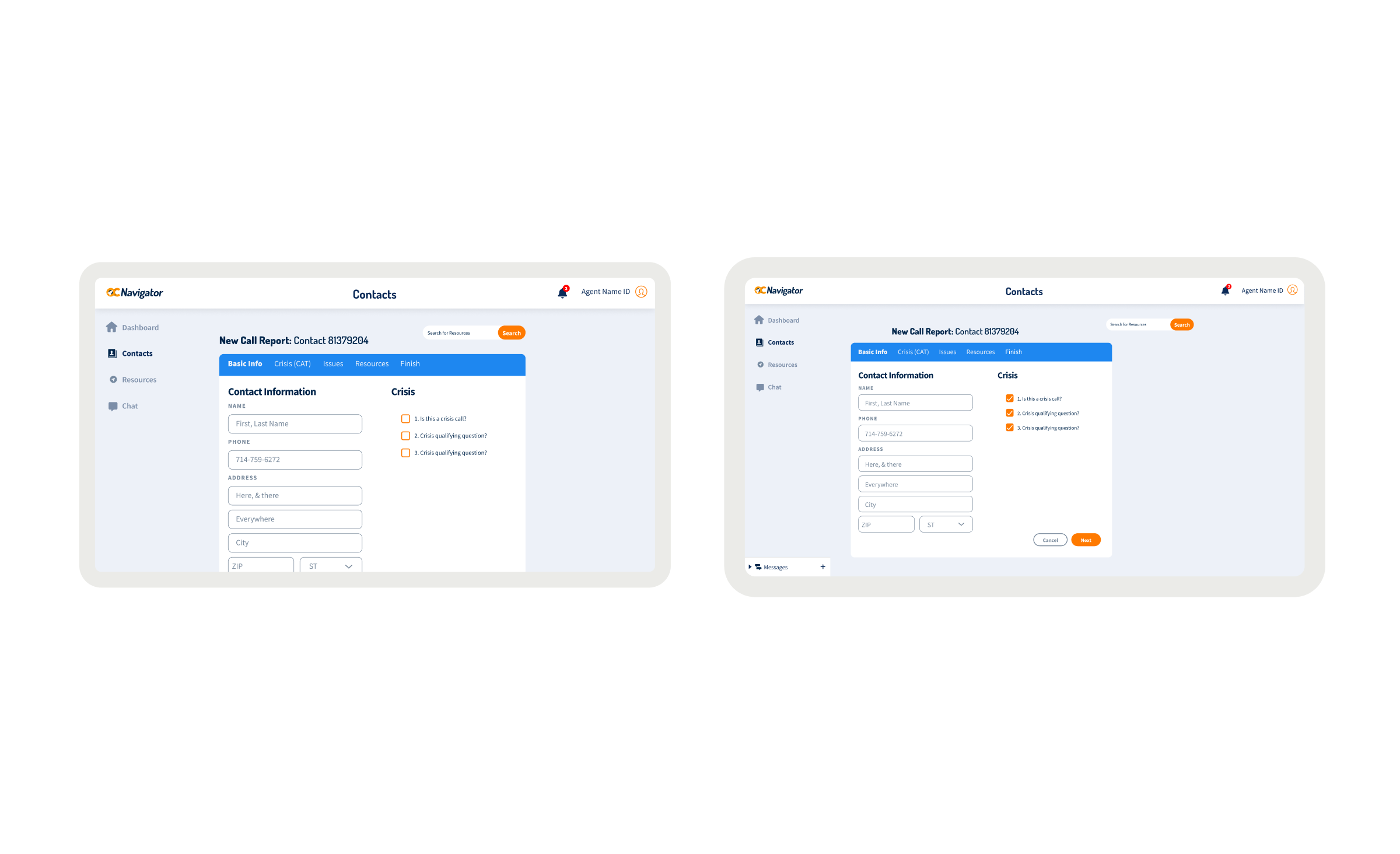
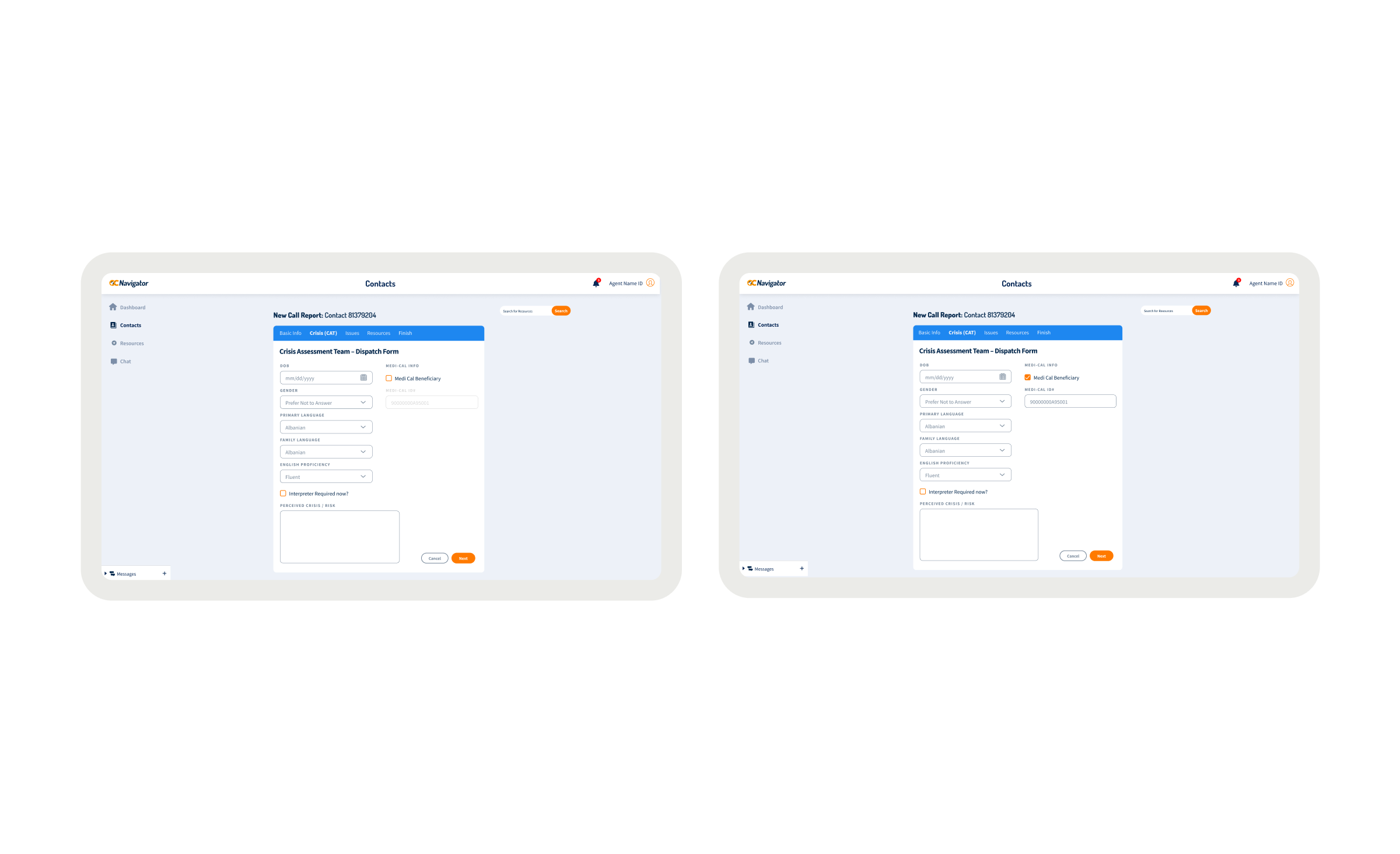
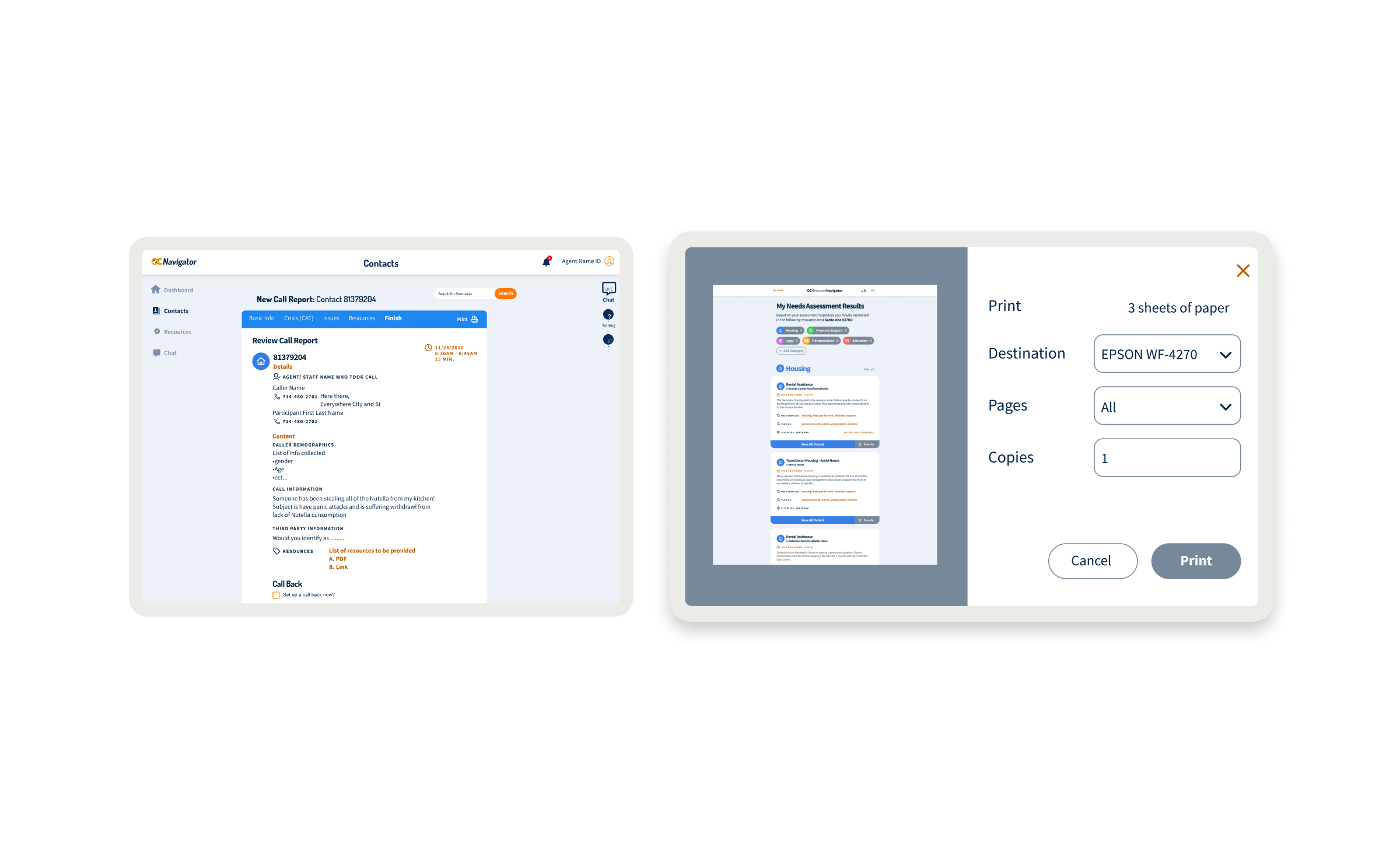
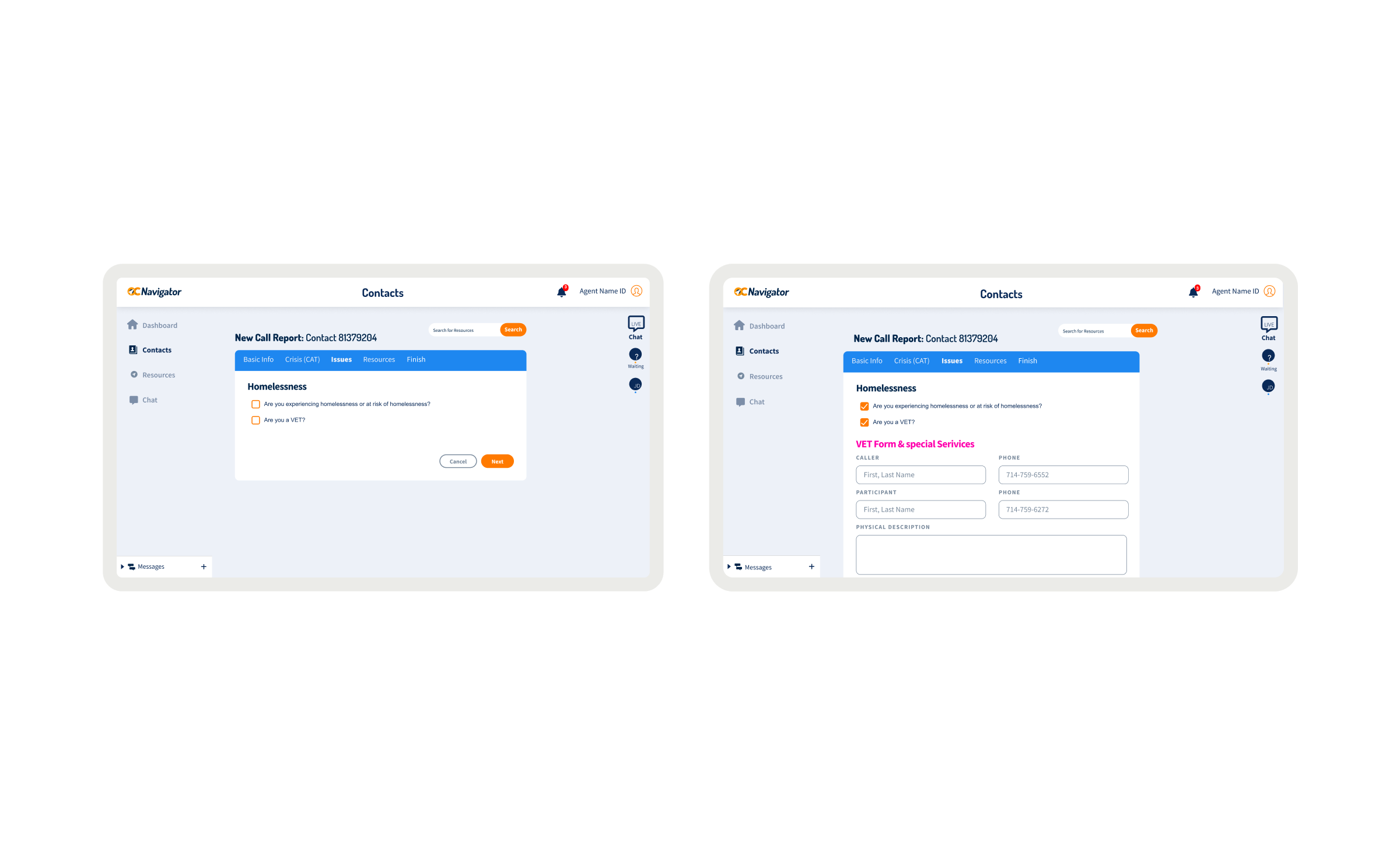
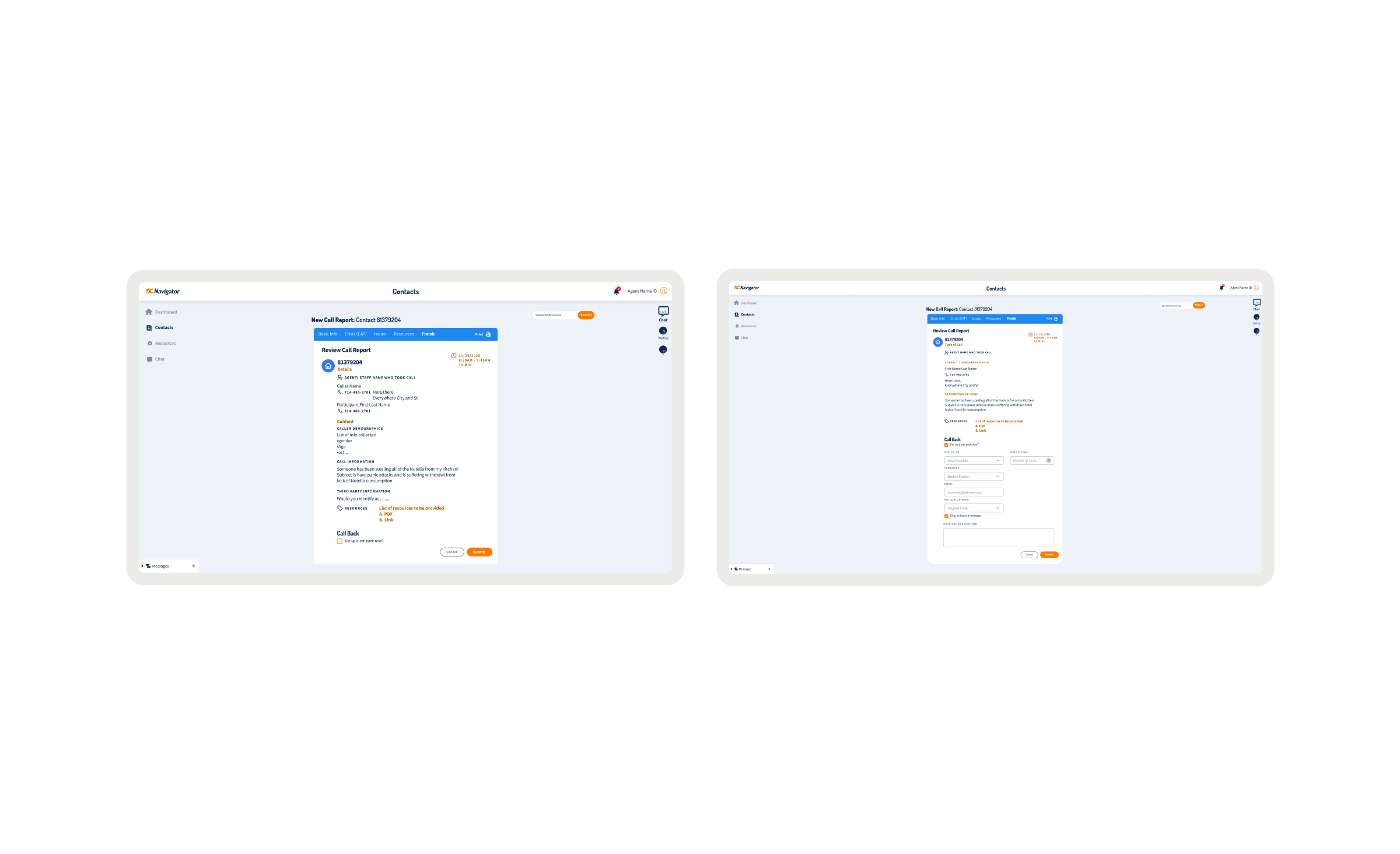
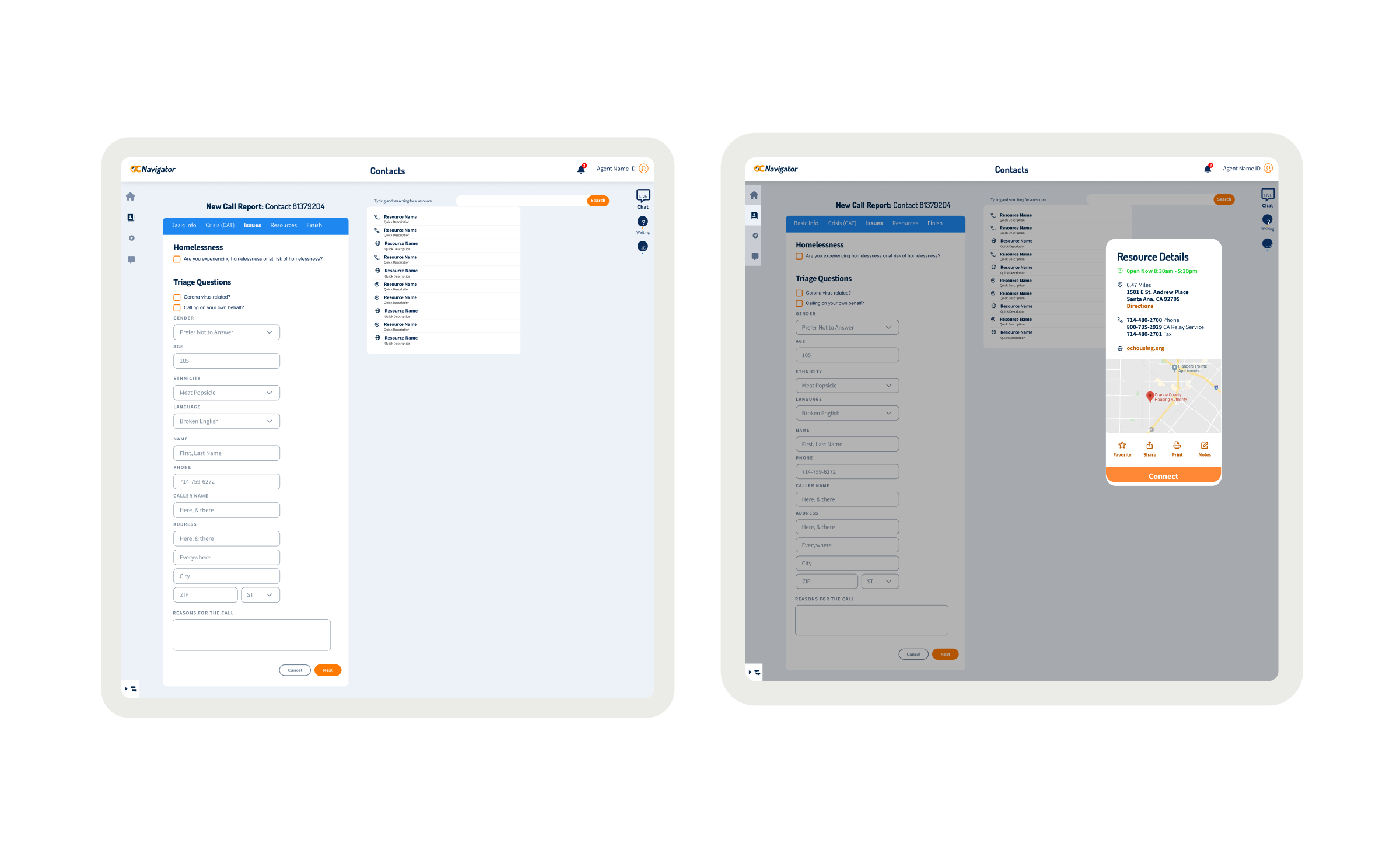
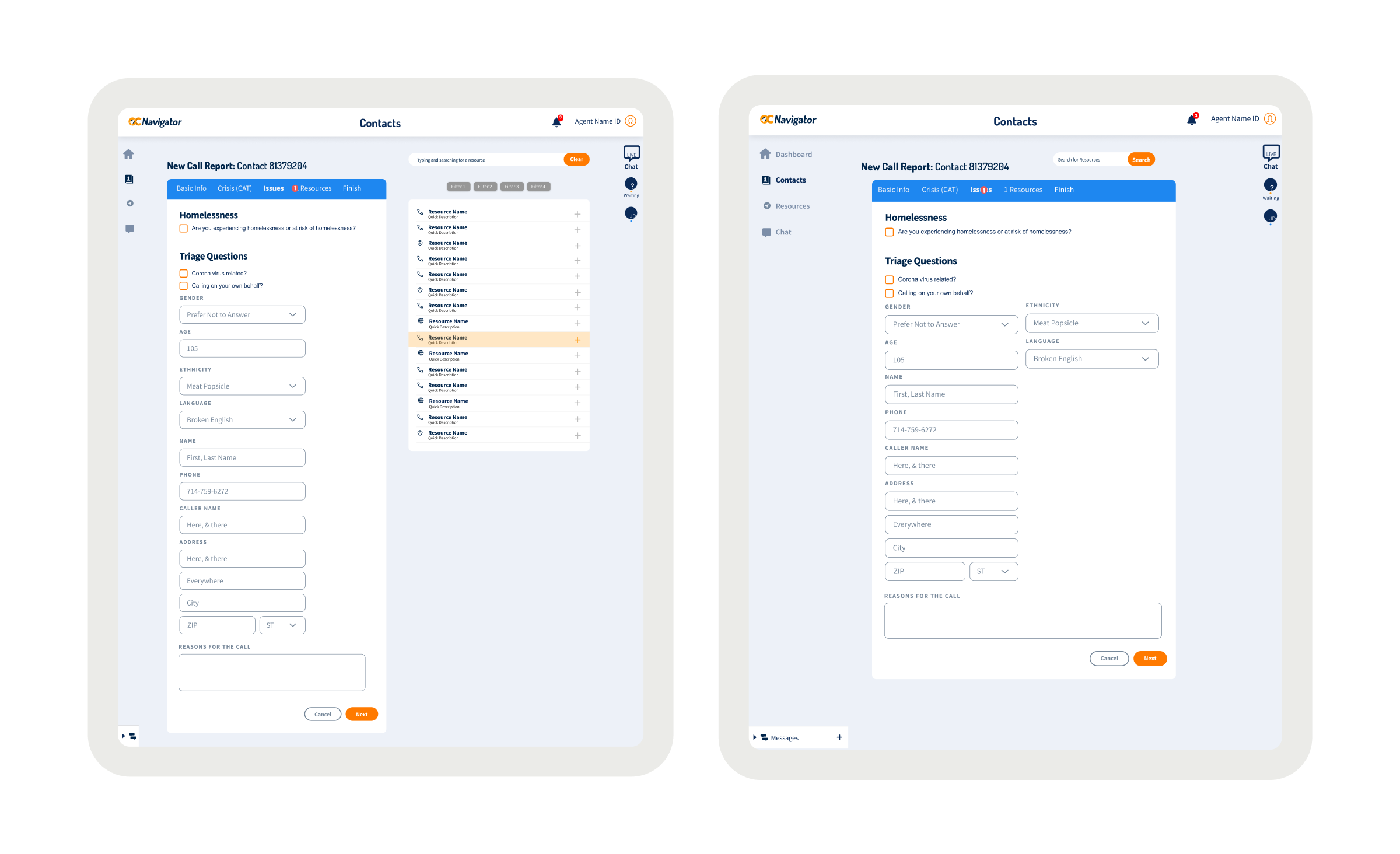
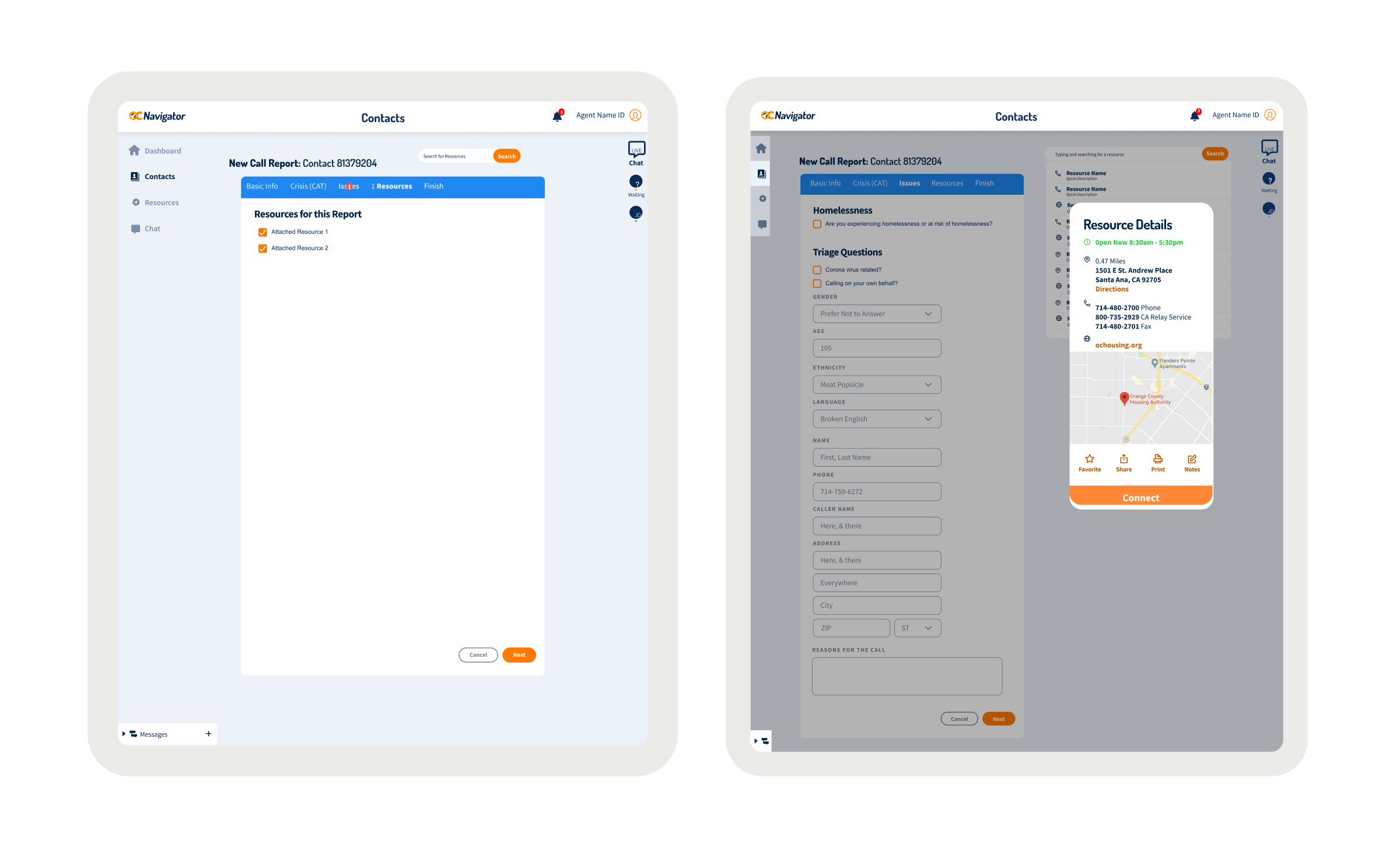
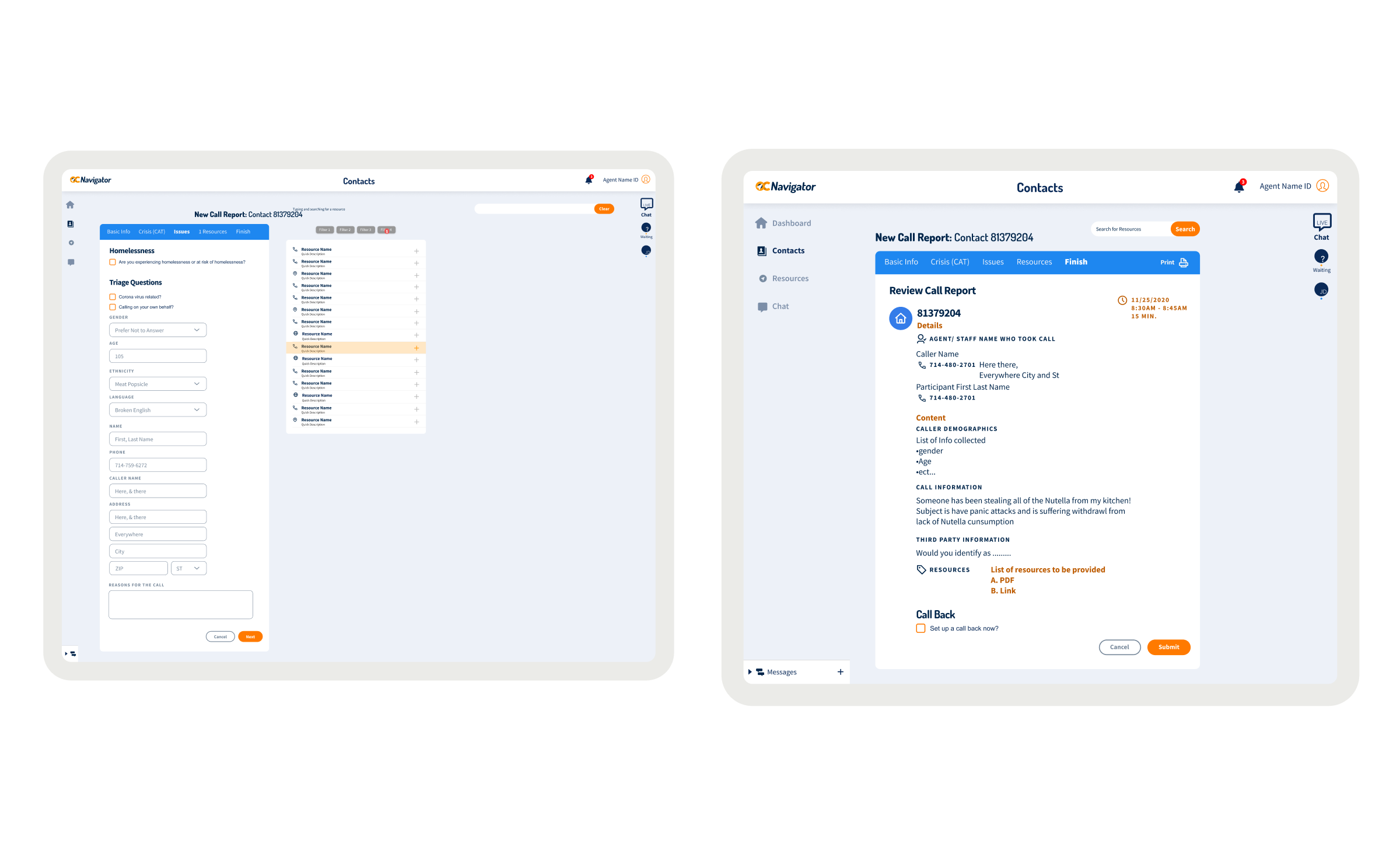
Prototyping focused on three core components: streamlined call management, integrated resource referrals, and secure communication channels. We adopted a phased implementation strategy aligned with the county’s deliverable schedule, starting with OC Links’ essential functionalities in Phase I. This process allowed quick value delivery while progressively adding features for the Crisis Assessment Team and NAMI/WarmLine in subsequent phases. We conducted iterative usability testing with 18 participants across three phases, gaining invaluable insights: 92% of users prioritized system reliability, 88% emphasized mobile-responsive designs for fieldwork, and 76% highlighted streamlined information sharing between agencies. These findings shaped our development roadmap and feature prioritization, enabling the product team to address immediate tactical needs and broader strategic goals.

Design Interventions
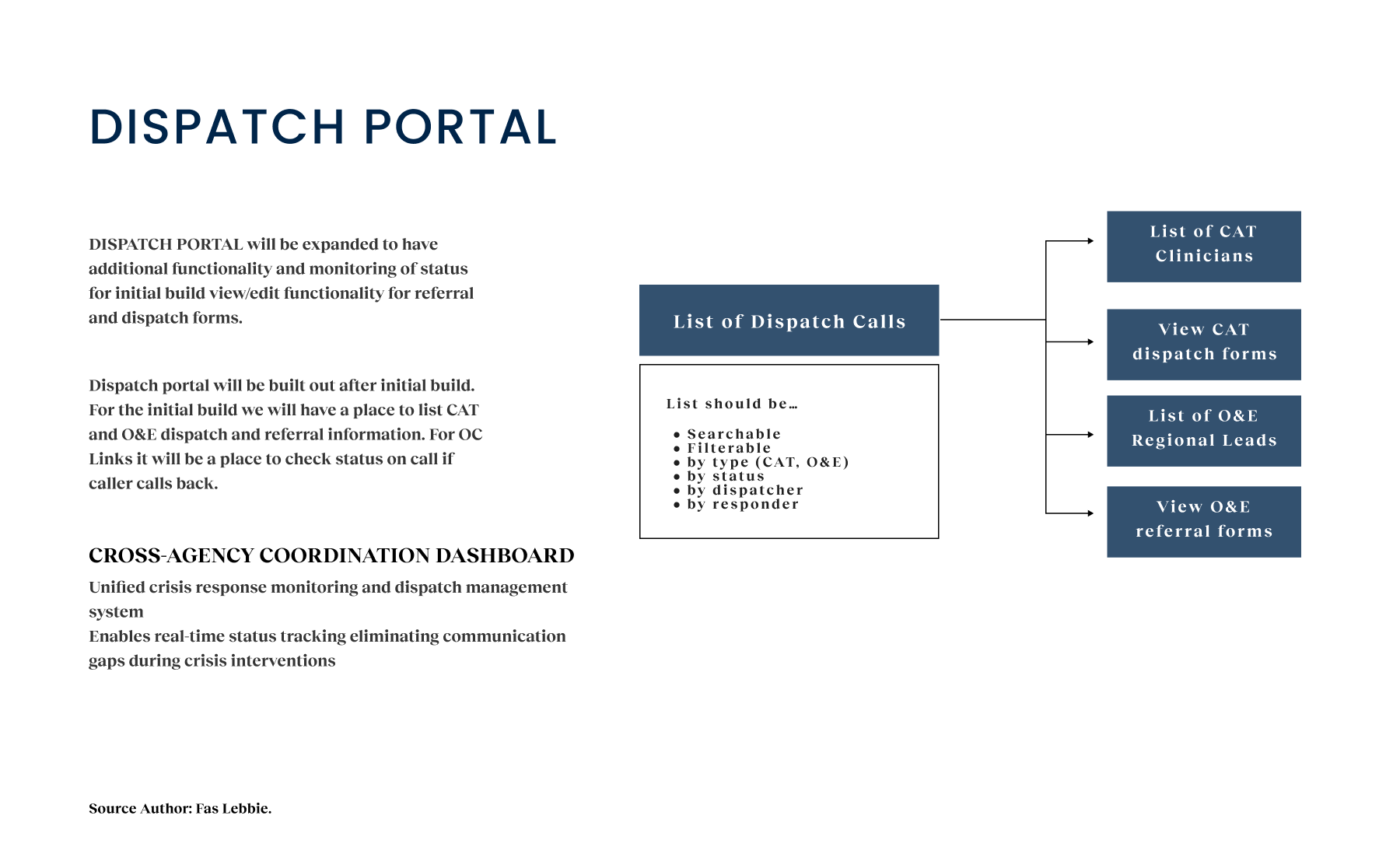
The design intervention targets crisis responders managing mental health emergencies across fragmented systems. Currently, 35% of crisis calls require manual handoffs between different teams, creating potential failure points.. To address this, a unified digital mental health crisis management platform was designed in collaboration with frontline responders and system administrators. Through an integrated systems approach, this unified platform enables seamless call management, secure client communication, and coordinated care across multiple agencies. By integrating these workflows, we reduced response times by 47% and increased successful referrals by 35%.
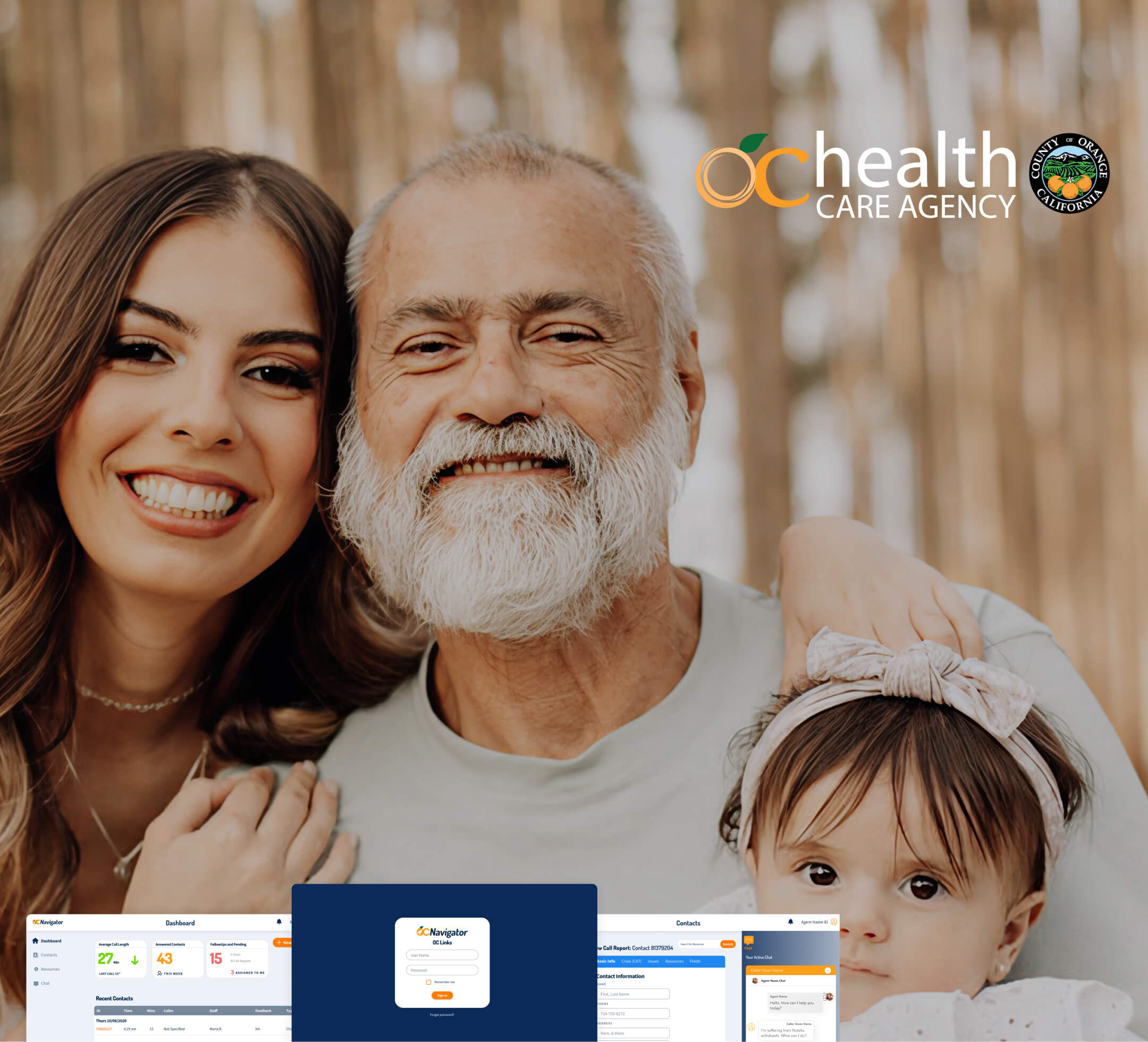
A unified digital system streamlines workflows, reduces delays, and connects crisis responders with trusted resources instantly.

Toolkit, Methods & Frameworks
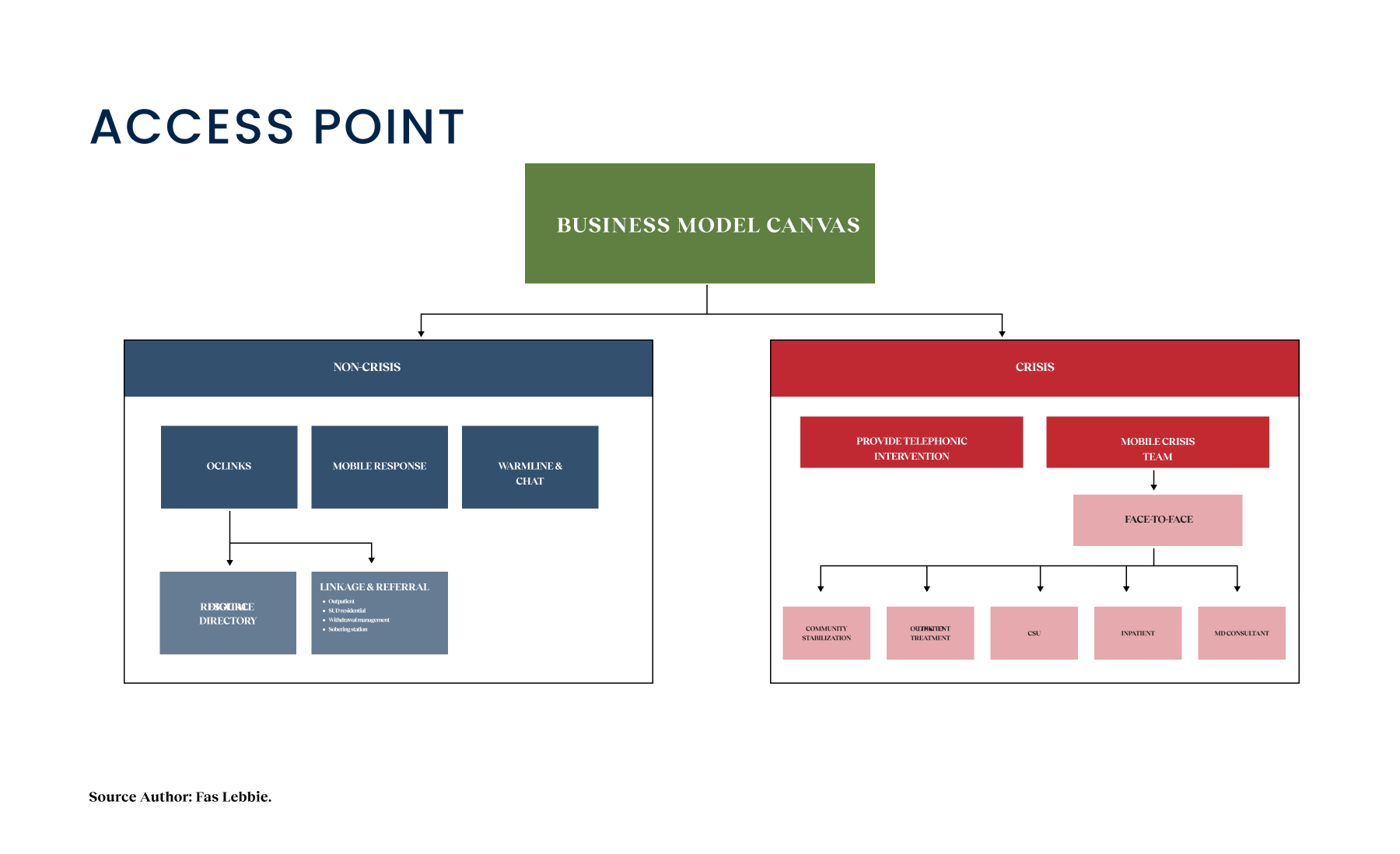
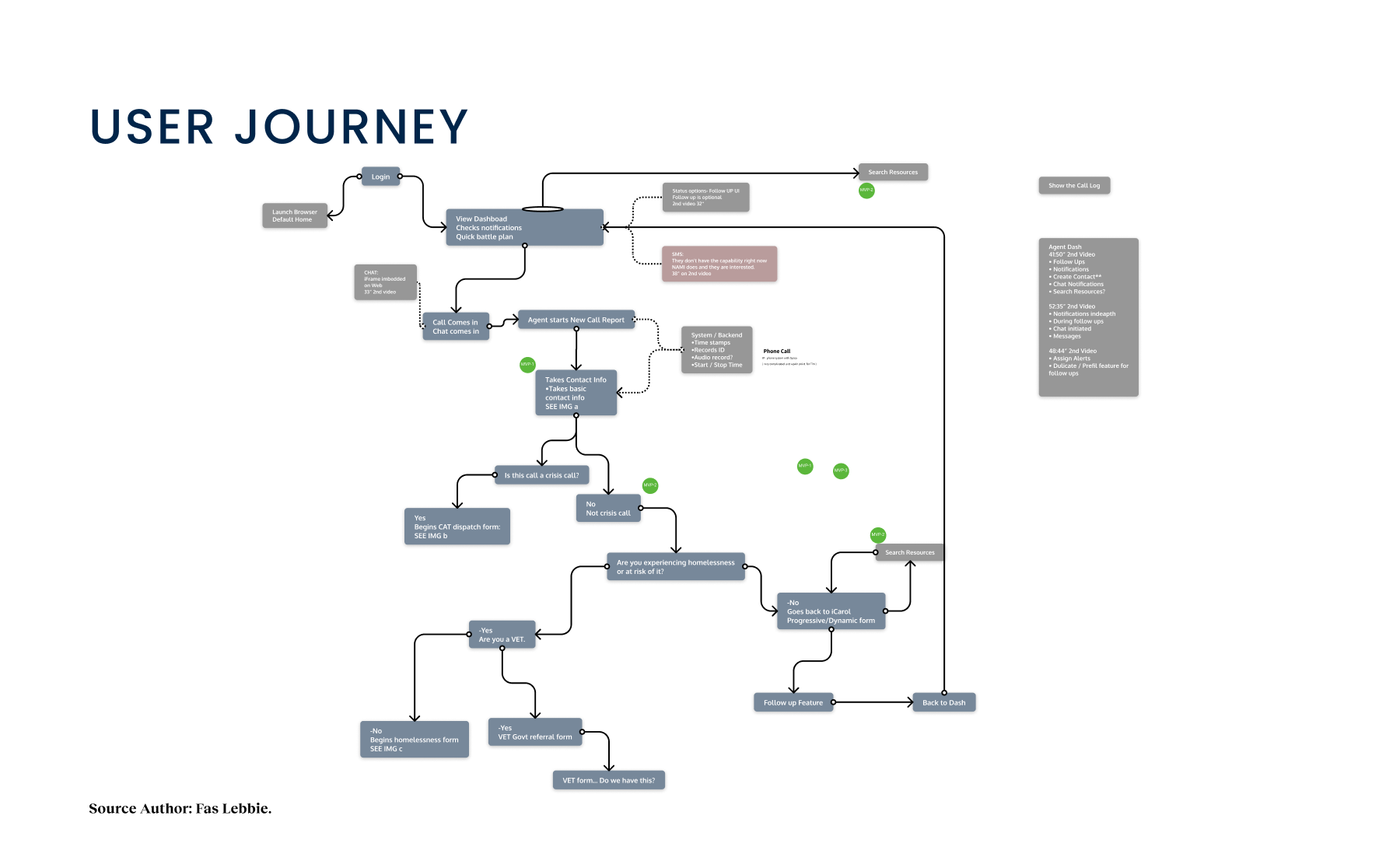
We applied journey mapping to uncover responder workflow gaps, the value proposition canvas to align platform features with frontline needs, and the business model canvas to define key metrics. Participant insights frameworks translated research into actionable features, while system integration testing validated compatibility with county infrastructure, ensuring the platform is integrated into crisis team workflows.
Reduction in Crisis Response Times
Streamlined call management and integrated workflows eliminated administrative bottlenecks that previously delayed critical interventions.
Staff Satisfaction Rating
New experience design improved daily frustrations into reliable, efficient tools, which
Improved daily workflows.
Initial Contacts via New Chat Channel
Alternative communication methods provided essential access for clients unable or preferring not to communicate by phone.
Reflections & Impact
Within six months, the integrated platform transformed Orange County’s fragmented mental health crisis response into a cohesive system serving thousands of vulnerable residents. Immediate operational improvements included dramatic reductions in call resolution times and increased referral success rates, while staff satisfaction soared to 92%. Beyond operational gains, the enhanced data collection capabilities now inform resource allocation and policy decisions at the local level, creating a continuous feedback loop that strengthens service delivery. The standardized handoff functionality has eliminated gaps where clients previously fell through system cracks, establishing new industry benchmarks for coordinated crisis response across multiple agencies.
Next Steps
- Expand integration across services by extending the platform to additional county mental health services and community partners for a more connected crisis response ecosystem.
- Enhance field usability by developing mobile-responsive interfaces and multilingual chat to support Crisis Assessment Teams and Orange County’s diverse populations in real time.
- Use collected data for predictive analytics and automated reporting dashboards to identify patterns, resource needs, and system performance.
- Strengthen adoption & training by building training modules and certification programs to ensure staff confidence, consistent use, and long-term sustainability of the platform.