

Overview
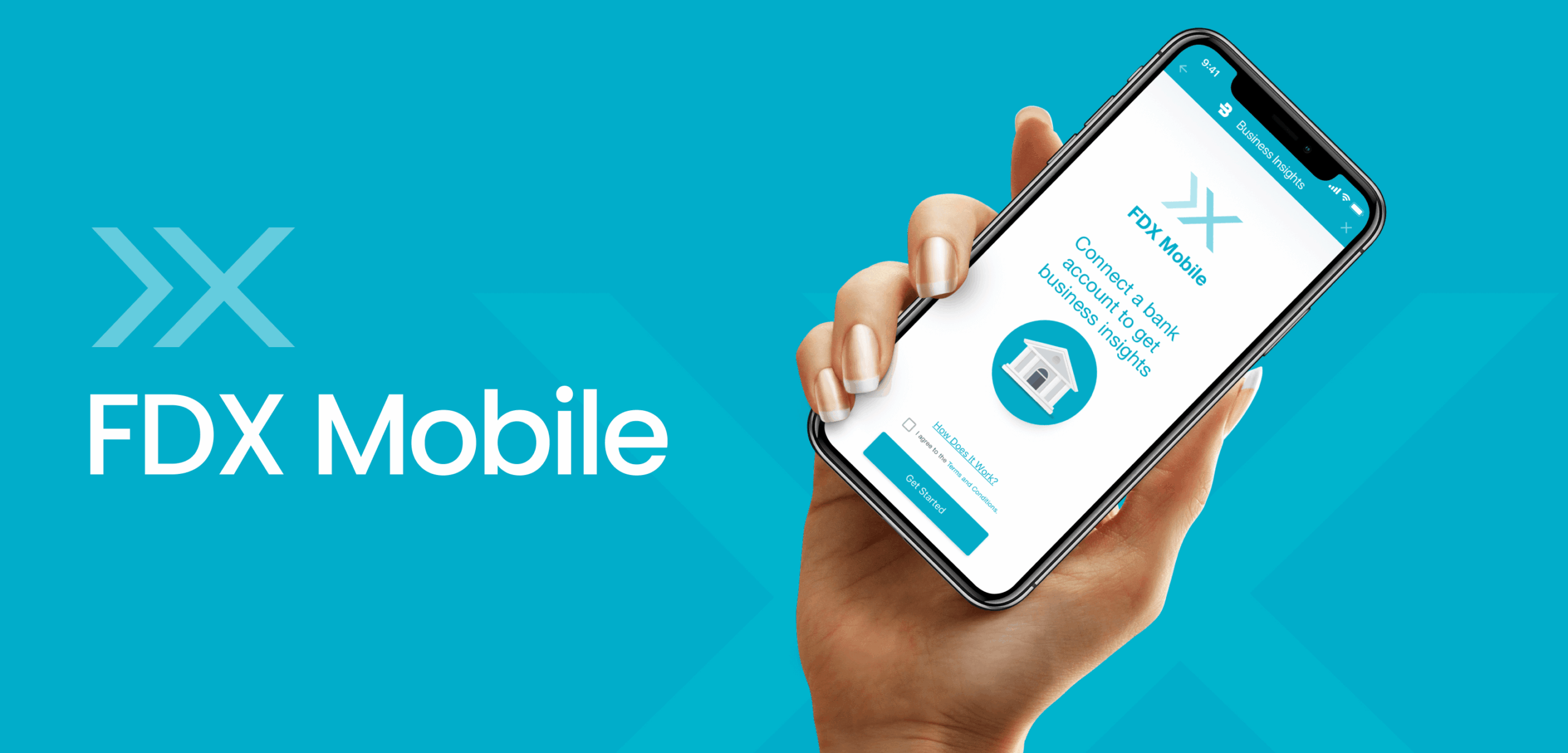
The Financial Data Exchange (FDX) project established a unifying standard for secure financial data sharing. It allows consumers to safely share their financial data with trusted applications while maintaining complete control over their sensitive information. I helped design the user experience that lets consumers control their financial data through an intuitive consent flow. This system clearly communicates data permissions and leverages Finicity’s secure aggregation platform. Through collaboration with industry partners like Intuit Mint and integration with over 30 financial institutions, including Chase, Wells Fargo, and Bank of America, our work established a new paradigm for consumer-permissioned data sharing. The design solution helped protect over 53 million consumer accounts, empowering people to make better financial decisions with unprecedented transparency and fostering broader confidence in the financial ecosystem.
Research & Design
Design research · Product design · Fintech regulatory compliance · Developer API platform design · Consumer banking experiences
- Duration: April-June 2019
- Partners: Intuit Mint, Finicity/MasterCard
- Team: Fas Lebbie, John Adams

My Role
Led UX strategy to simplify financial data sharing through intuitive consent flows, giving users granular control over what data is shared, for how long, and with whom.
Partnered with Finicity and top banks to align designs with regulatory requirements, embedding security, transparency, and permission-based data access into the product experience.
Mapped behaviors, pain points, and trust indicators across 1,500+ consumers; translated insights into a UI framework that drove adoption of API-based financial connectivity across 30+ institutions.
Problem Context
The financial data ecosystem faced challenges with outdated and insecure data-sharing methods between consumers and third-party applications. Before FDX, consumers had to provide their banking credentials (usernames and passwords) to third-party financial apps through a process called screen scraping, creating serious security vulnerabilities. The Financial Data Exchange was developed as a non-profit financial organization that promotes and enhances a standard operating framework for sharing consumer financial data, empowering consumers to control their personal financial data. This situation highlighted a critical gap in how financial data was accessed and shared, particularly as consumers increasingly relied on multiple financial apps. Research showed that nearly two-thirds of consumers were very or extremely concerned about data privacy when using fintech apps, and 56% wanted more control over which financial accounts and types of data third parties could access. This data came from a 2018 survey of 1,500 U.S. consumers conducted by The Clearing House. Without a standardized approach for secure data sharing and transparent consent, consumers had no insight into which specific data elements were being accessed, for what purpose, or for how long.
My Approach
I contributed to stakeholder interviews, behavioral mapping, and trust heuristics, translating user fears into granular control mechanisms that aligned with fintech regulations and helped our direct consumers securely manage financial data access.
Design Process
Our research began by mapping how users typically connect financial accounts to third-party apps. We utilized stakeholder interviews and industry analysis, identifying that users often provide their banking credentials directly to these apps, which then employ screen scraping to access data without disclosing what is being accessed. User interviews were conducted to understand people’s motivations, pain points, and behaviors as they used various financial products. Through these interviews, we found users expressed anxiety about sharing banking credentials with third-party apps, uncertainty about the specific data being shared, and a desire for control over which accounts to connect rather than an all-or-nothing approach. While users valued convenience, they expressed significant concerns about credential sharing. Additionally, we recognized that interoperability is crucial, as consumers typically maintain more than five financial accounts and are often unaware of the extent of data shared when connecting financial apps to their bank accounts.
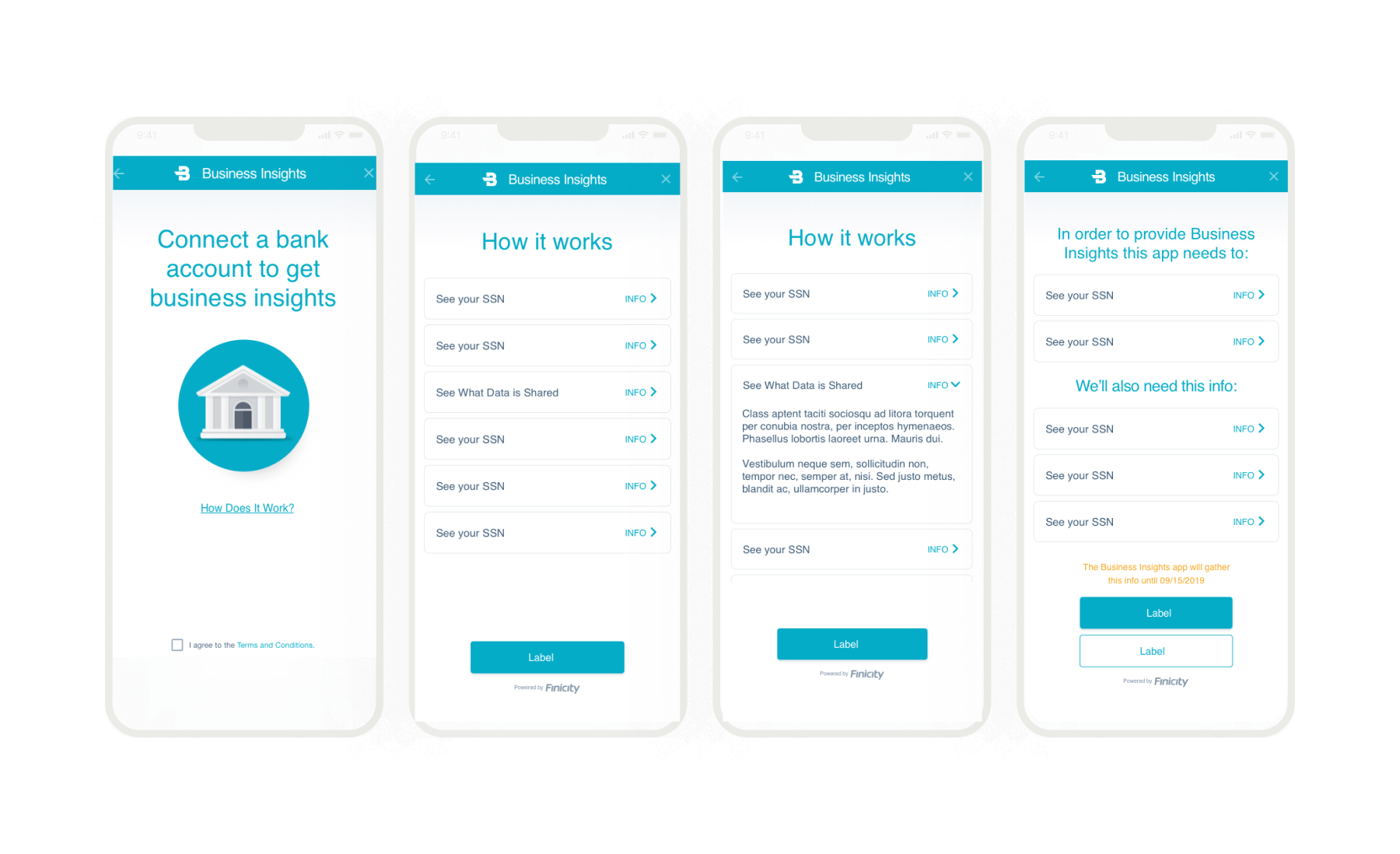
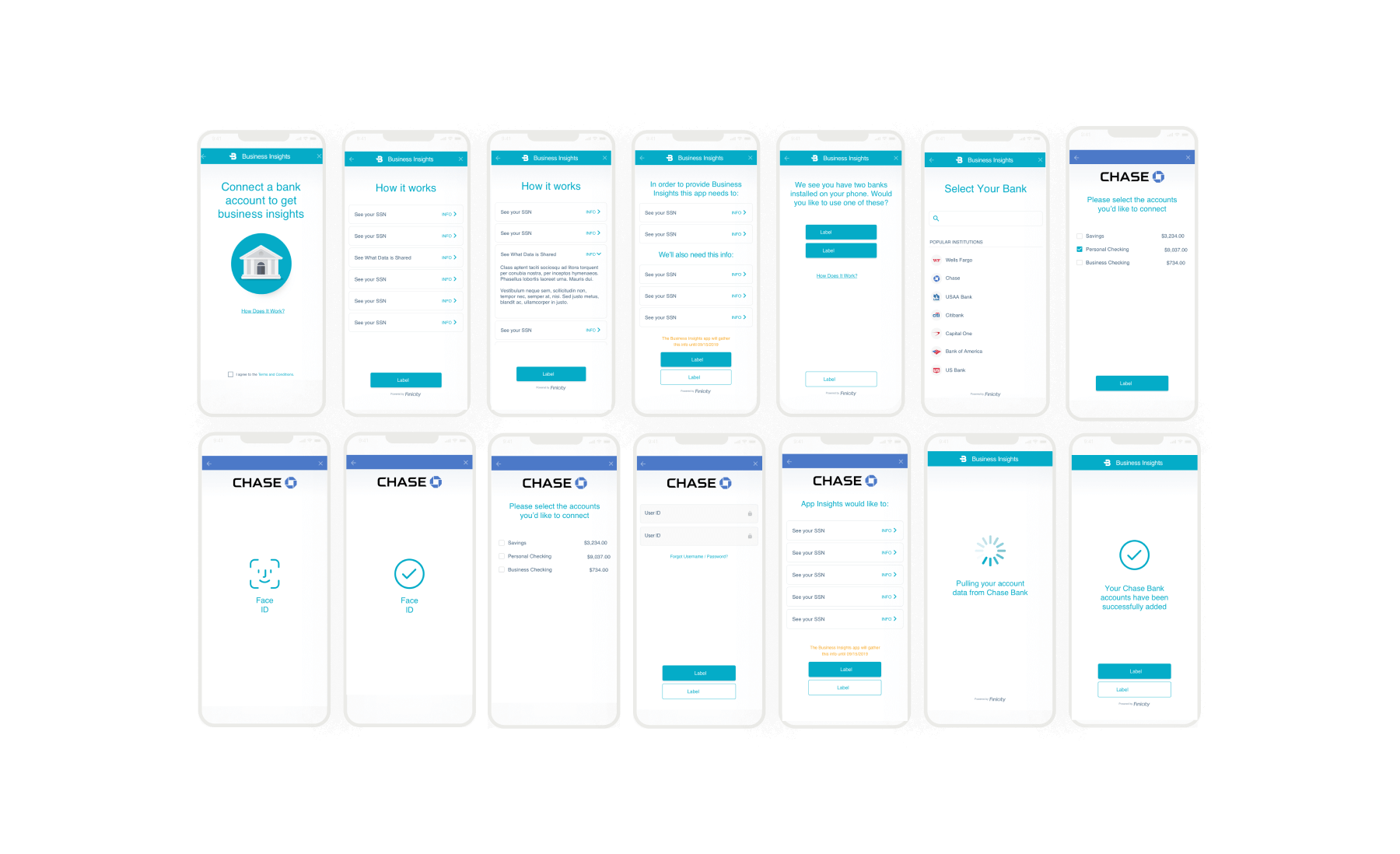
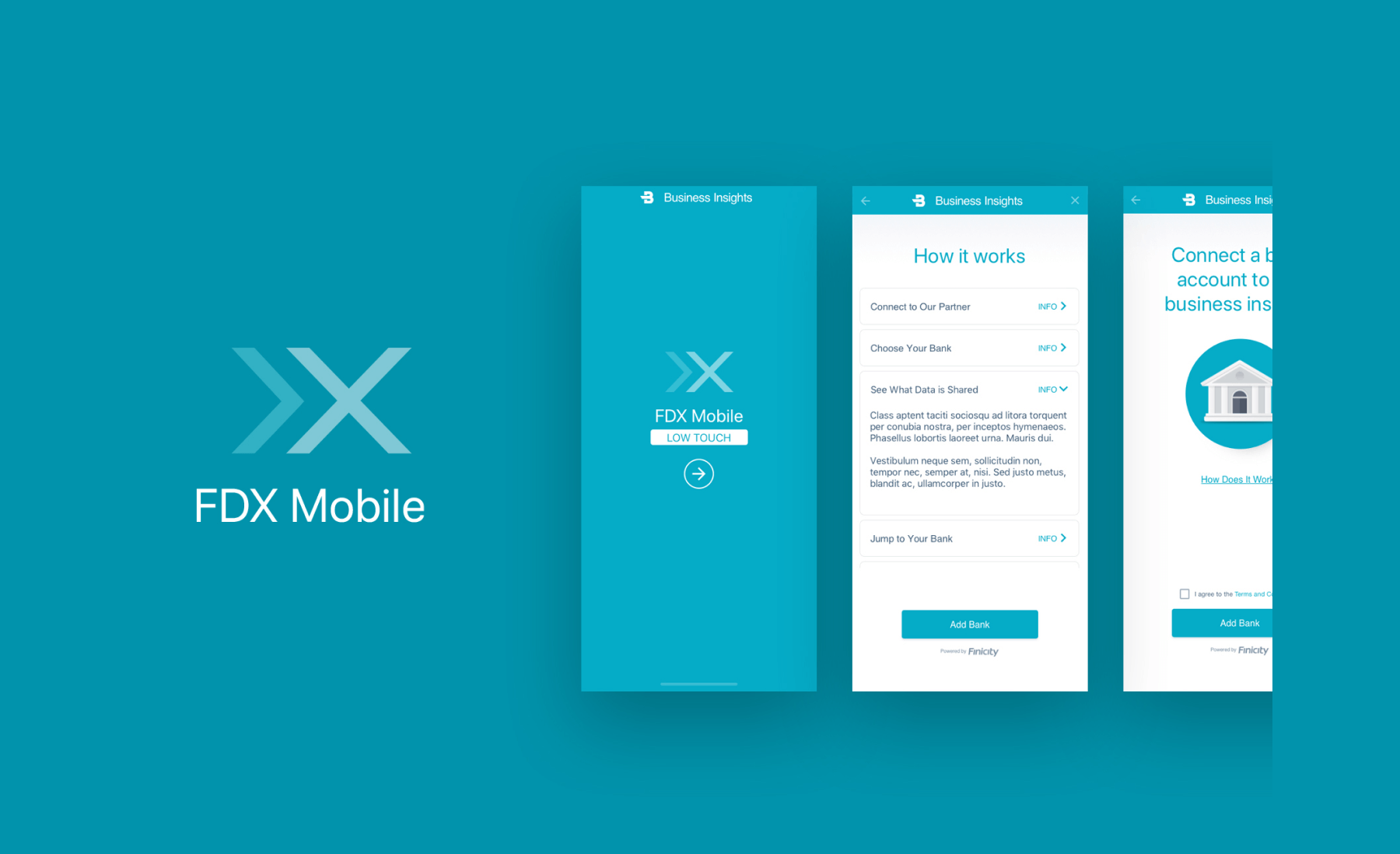
Several key patterns emerged that directly informed our design decisions: users were willing to spend up to 45 seconds reviewing permissions if they felt in control of the process; displaying actual account balances during selection increased comfort and decision-making confidence; detecting installed banking apps raised user trust by 67% compared to credential entry; clear time limitations on data access (e.g., “until 09/15/2019”) provided important context for consent; and allowing users to expand and collapse detailed permission information supported diverse engagement levels. Importantly, the design had to communicate what data is being shared, provide granular controls for users to fine-tune information sharing, and establish trust through visual hierarchy and progressive disclosure of complex information.


Design Interventions
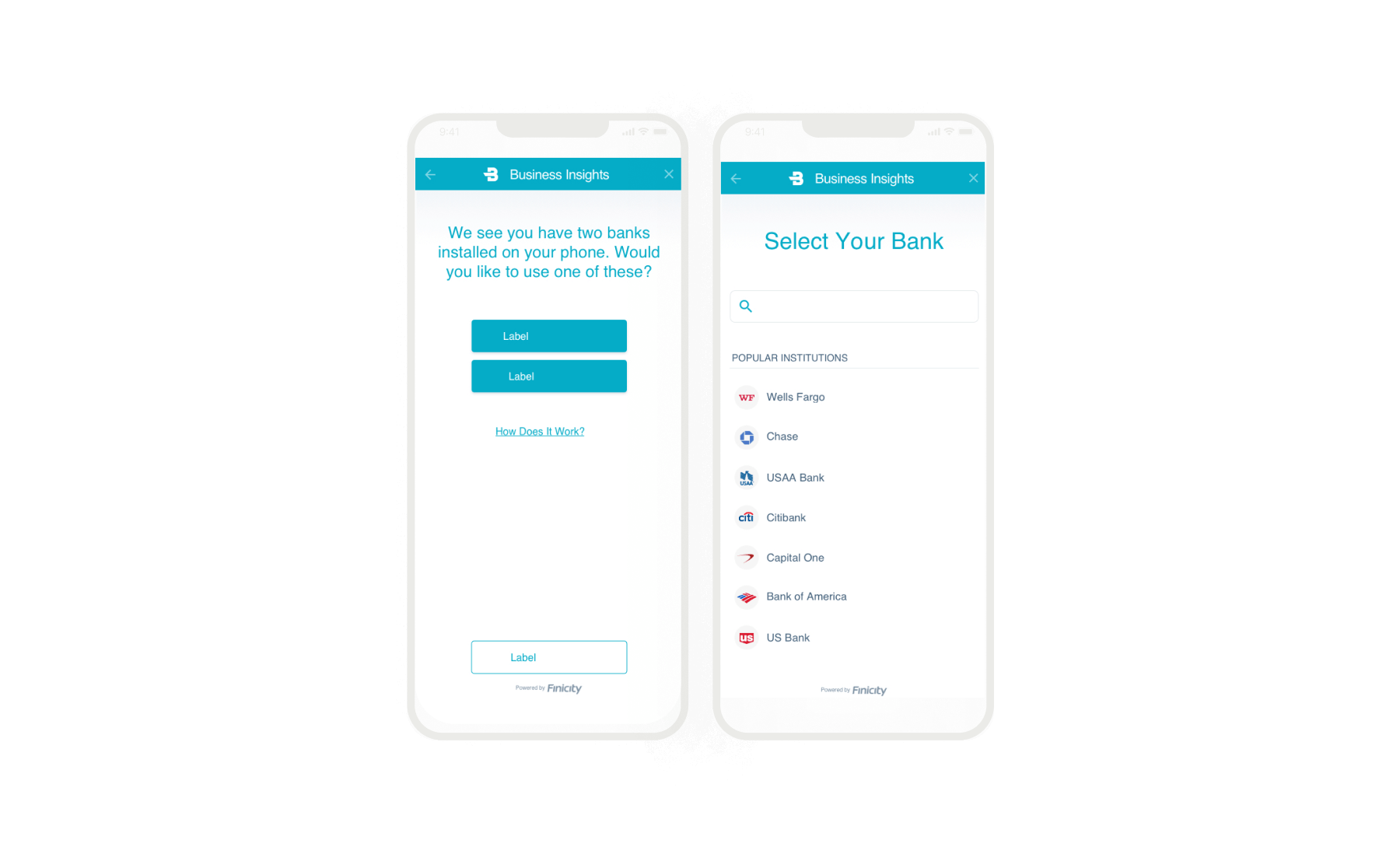
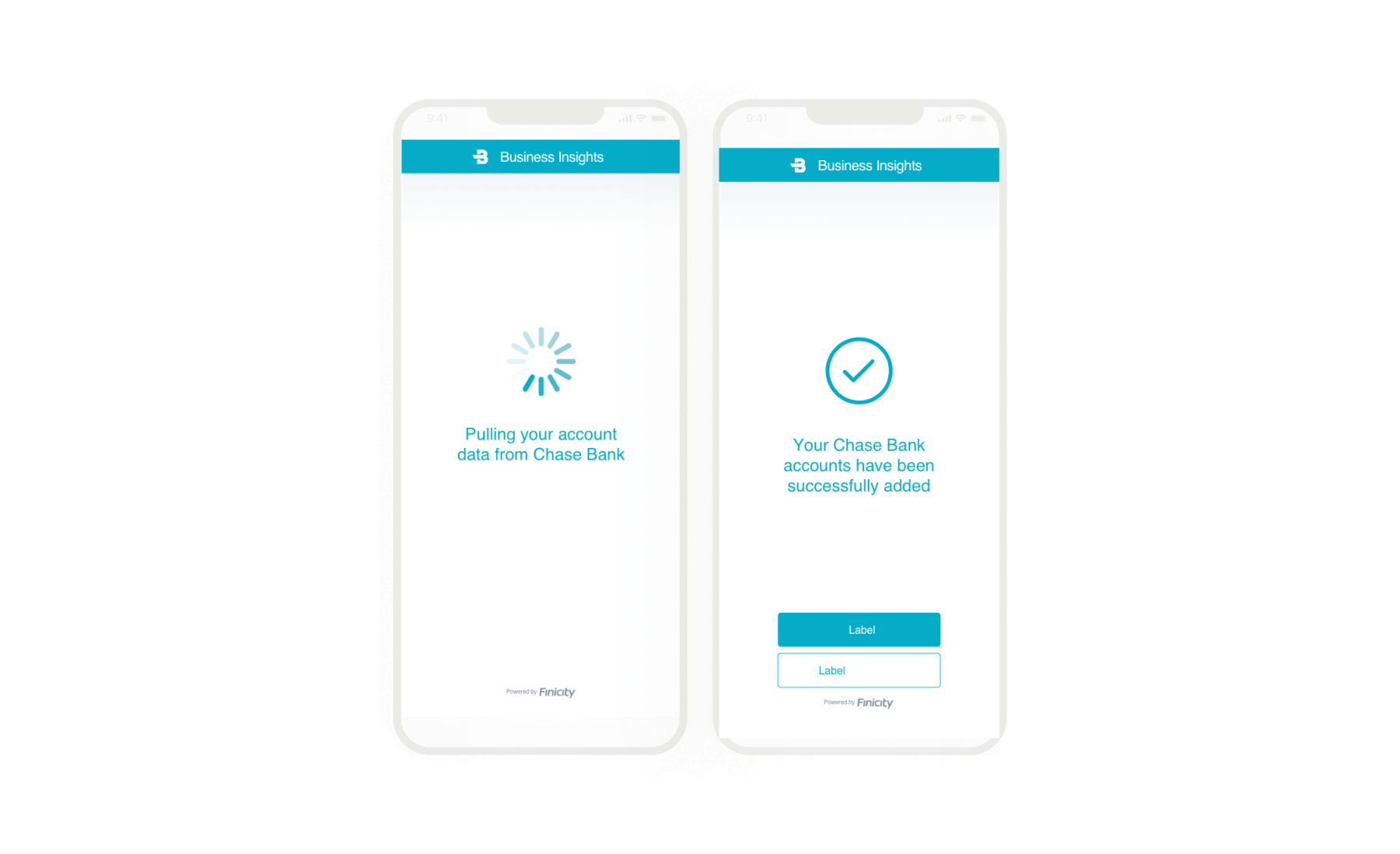
The design features a streamlined bank selection interface that includes both installed apps and searchable institutions. The app allows users to select their accounts and view their balances for more informed decision-making, and it leverages existing bank authentication methods to enhance security. The solution was built on Finicity’s secure data aggregation platform, which implements the FDX API standard to connect with financial institutions. This approach aligns with the FDX standard’s principles of transparency, ensuring consumers are fully informed about how their data is collected, stored, and shared. This system also allows consumers to grant, modify, or revoke access to their data as desired.
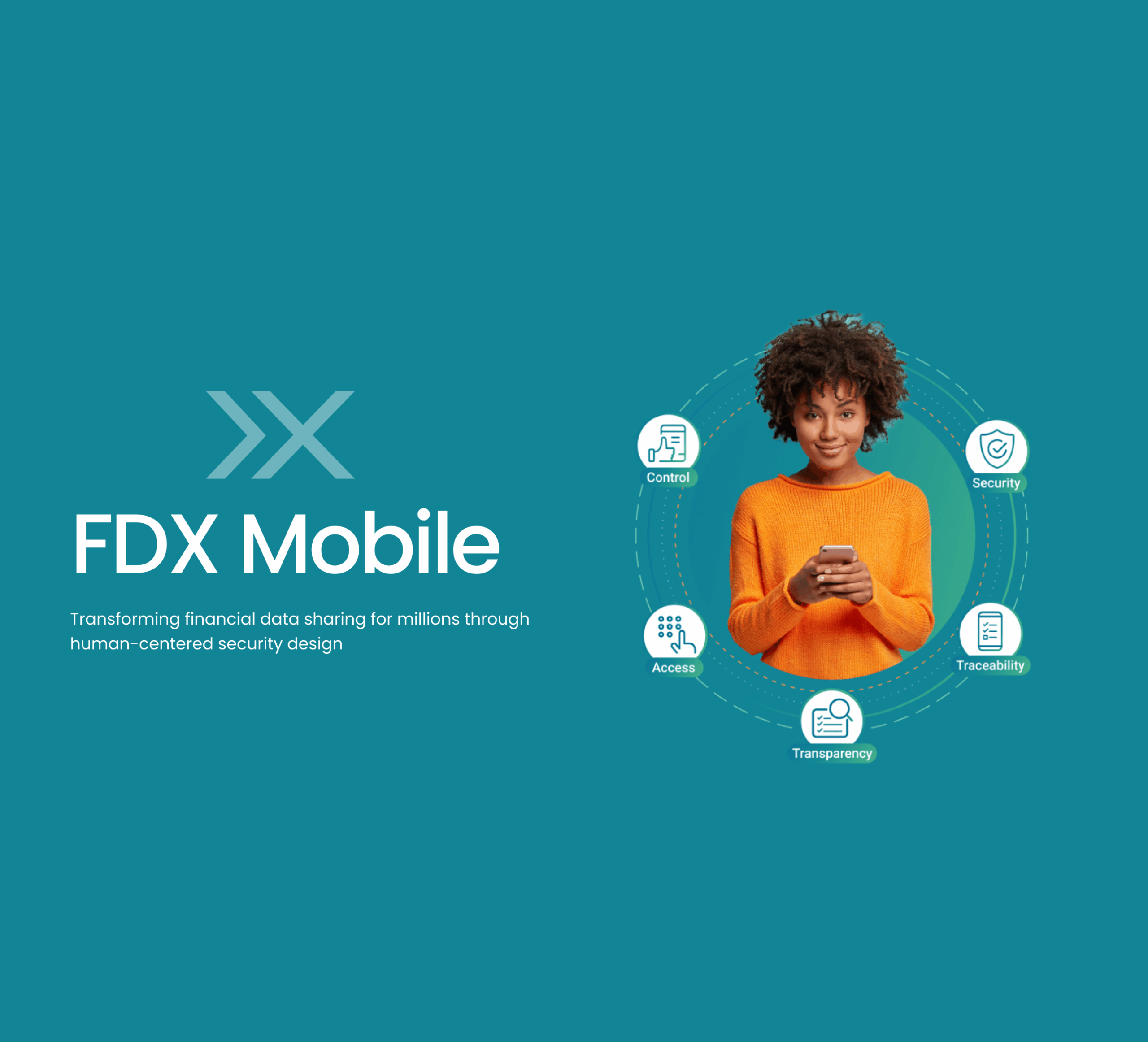
Empowering millions with secure, transparent, user-controlled data sharing through human-centered financial experience design
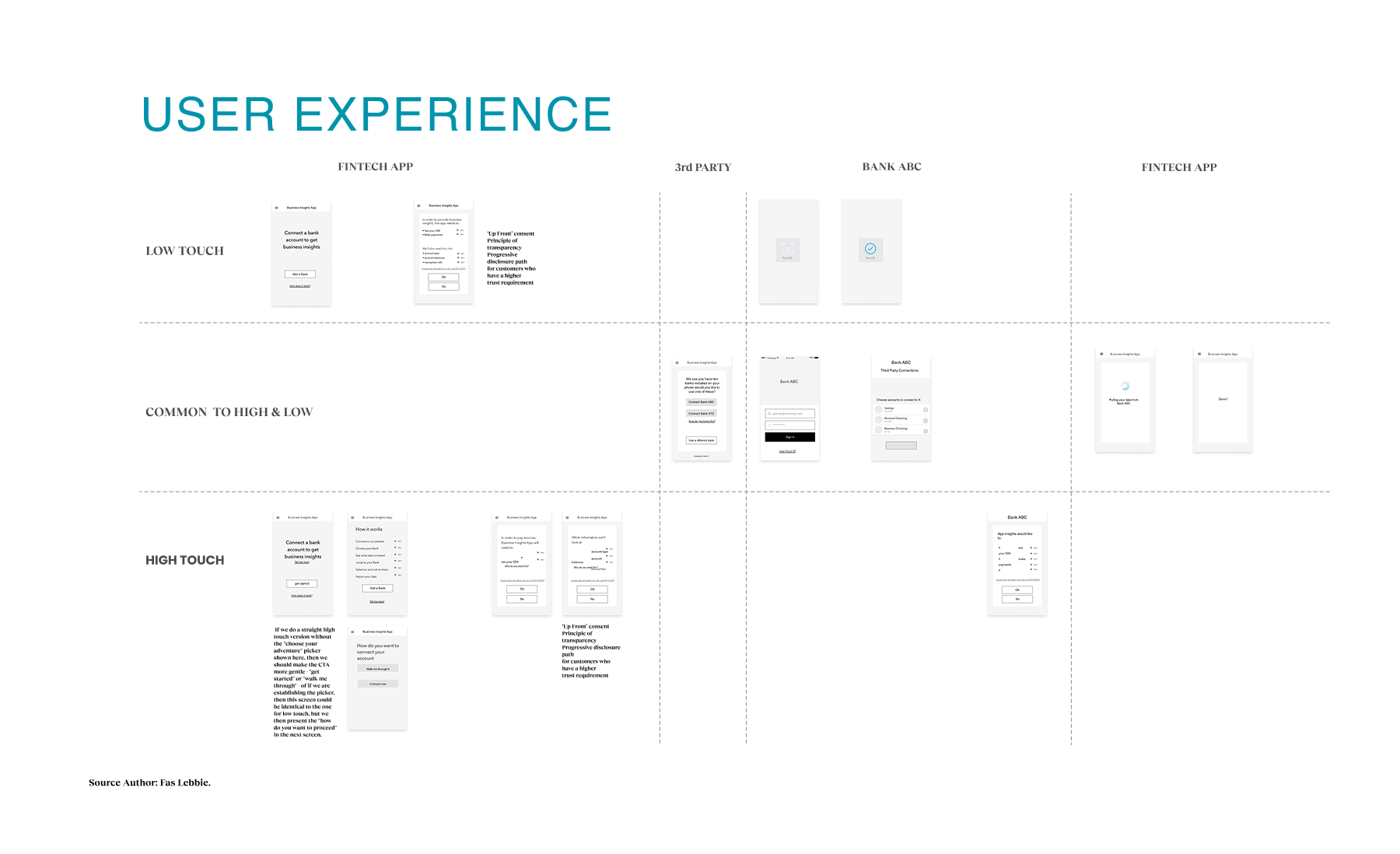
Experience Touchpoints
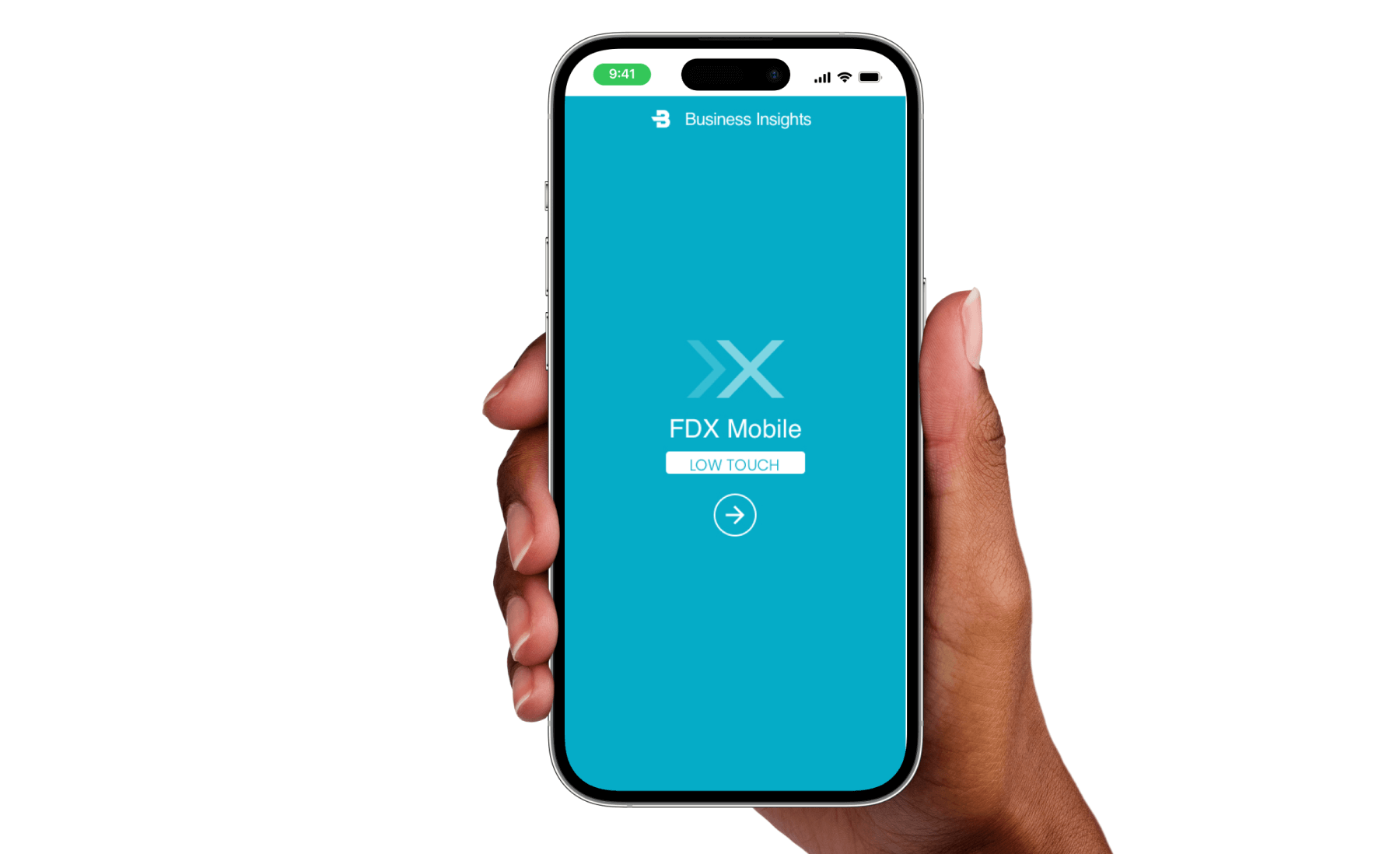
This User Experience framework maps the low, medium, and high-touch user journeys, demonstrating a systematic approach to granular control and transparent consent across diverse engagement preferences.
Consumer Accounts Protected
Unprecedented scale of secure financial data access through standardized API implementation across major financial institutions
Increase in User Trust Signals
Measured by replacing screen-scraping with token-based authentication during early FinTech partnerships with Intuit and Chase.
Reflections & Impact
The Financial Data Exchange recognized the need for a transformative approach to financial data sharing that enhanced consumer control, ensured transparent consent processes, and facilitated secure data exchange. FDX has transformed how the industry approaches data exchange by establishing a standardized framework for secure financial data sharing. The collaborative effort between major financial institutions and FinTech companies has created a new paradigm that balances innovation with security and consumer control. The FDX API is now being used by over 53 million consumer accounts, demonstrating widespread adoption across the industry. This shift toward API-based data sharing has substantially improved security and continued innovation in financial services. I was privileged to be a designer who contributed to this project.
Next Steps
- Develop advanced permission management features allowing users to set time-based and usage-based data access controls.
- Implement real-time monitoring and notification systems for data access activities and permission changes.
- Design mobile-optimized consent flows to improve user experience across all device types.
- Develop educational resources and onboarding flows to increase consumer understanding of the benefits of data sharing.