


Overview
In communities across America, finding healthcare providers who genuinely understand your background isn’t just a preference; it’s the difference between getting care or going without. Coral Health tackles this challenge by creating pathways that connect patients from underserved communities with culturally competent providers who understand their needs and experiences. As the only designer, I worked with the founding team and built the entire experience design system platform. The platform delivers smart matching technology and dedicated navigation support to its clients, helping over 75% of their users find and stick with providers they trust, improving healthcare accessibility and utilization among historically underserved groups.
Research & Design
Mixed-methods user research · Platform design · Branding · Family management integration · Healthcare equity strategy
- Duration: March 2022–February 2023
- Team: Fas Lebbie, Patrick Wesonga, Dr. Fatima Cody Stanford, Dr. Chris T. Pernell
Confidentiality: Sections have been modified to maintain the confidentiality of healthcare innovation, user privacy, and proprietary information while preserving core insights and outcomes.

WHAT I BROUGHT
Led mixed-methods research with patients and providers, applying frameworks like Theory of Change and Value Proposition Canvas to design equity-focused interventions.
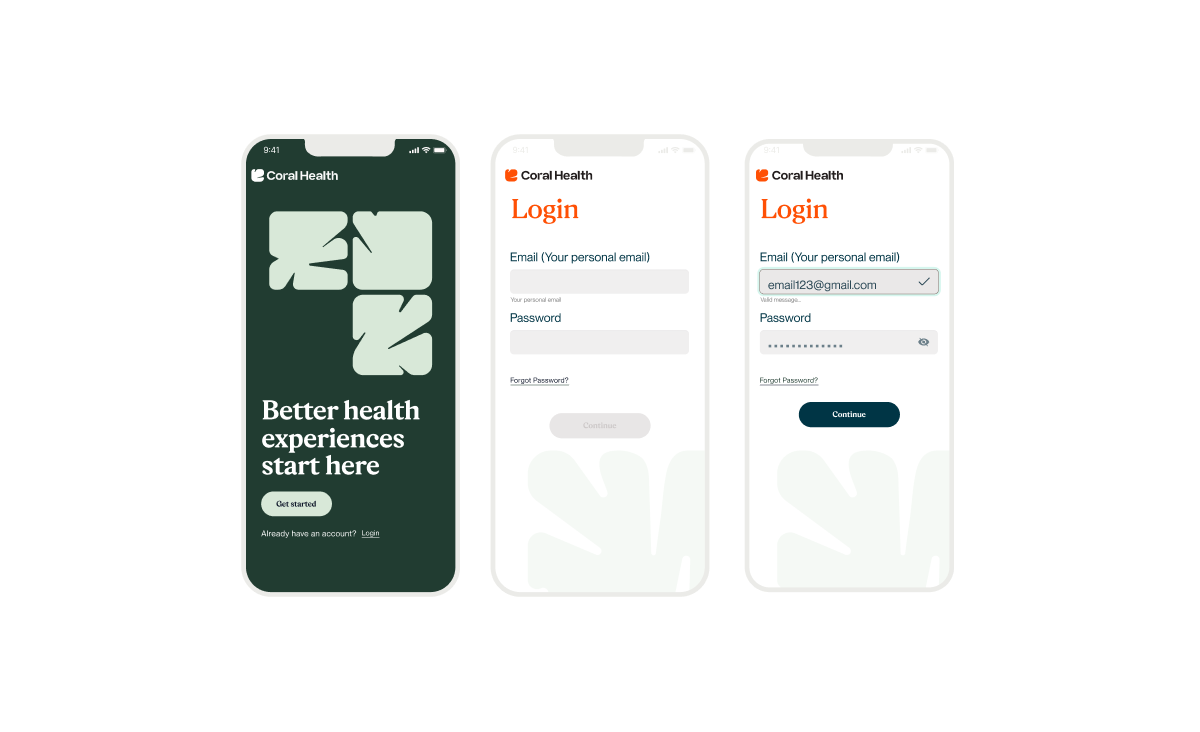
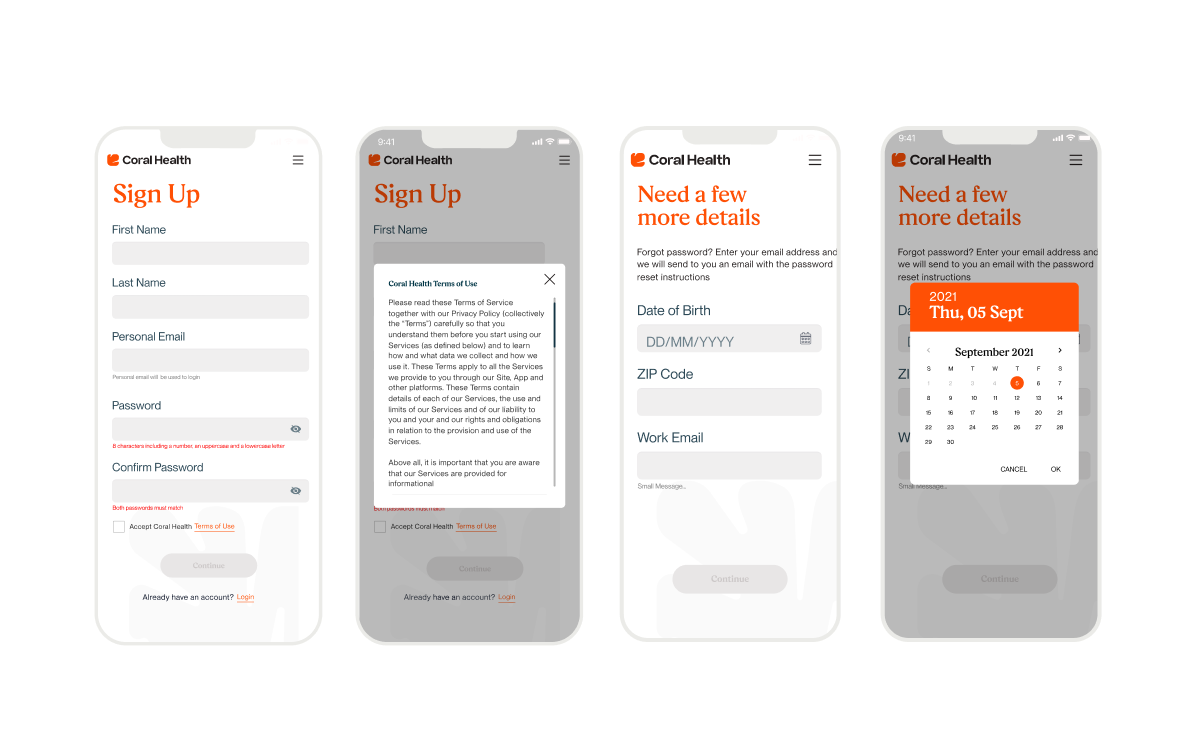
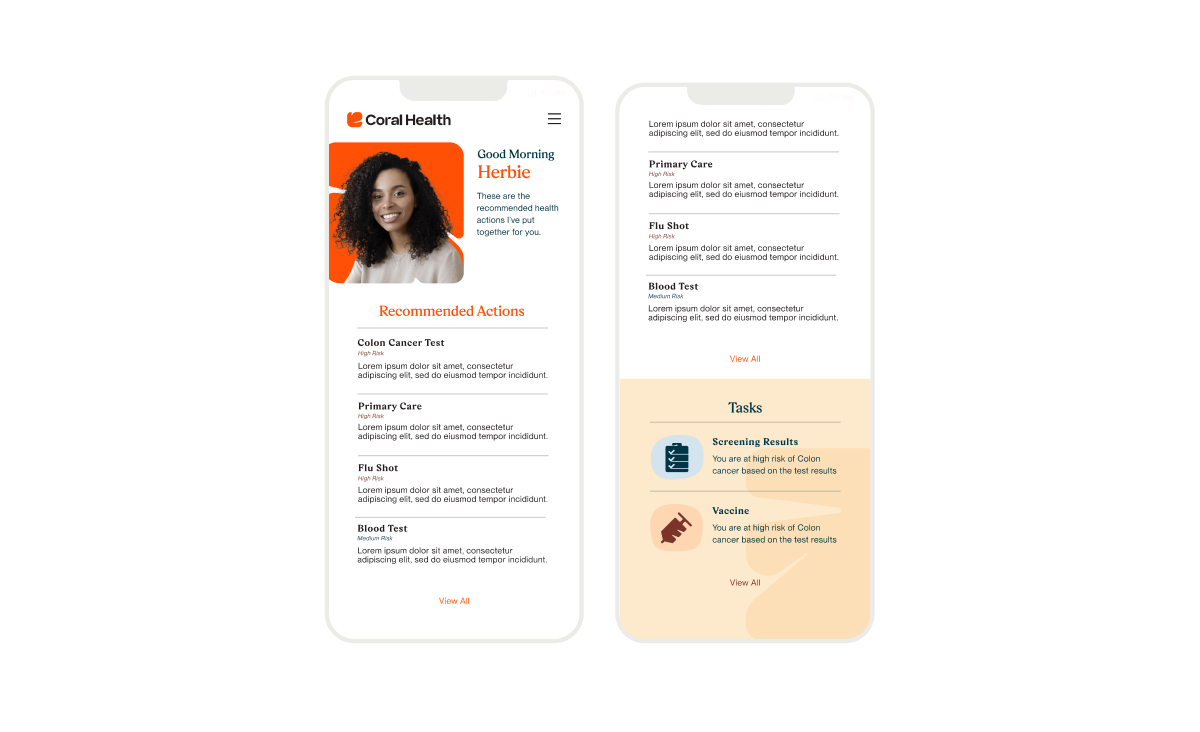
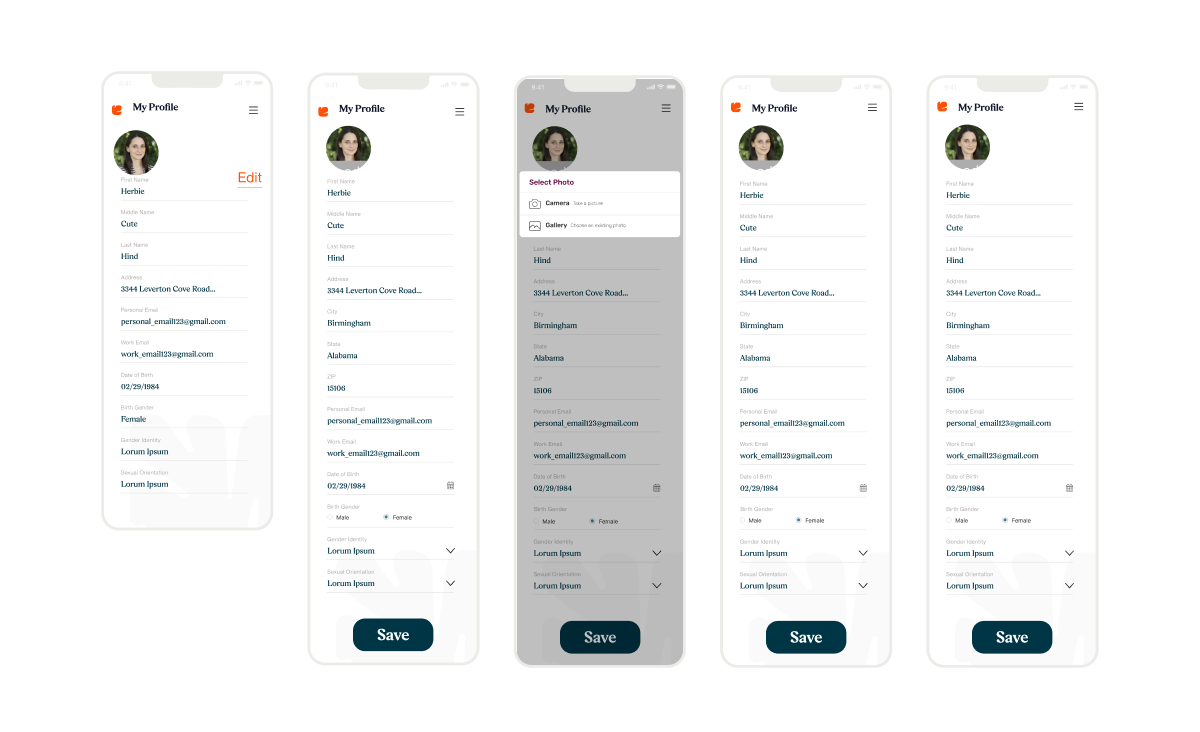
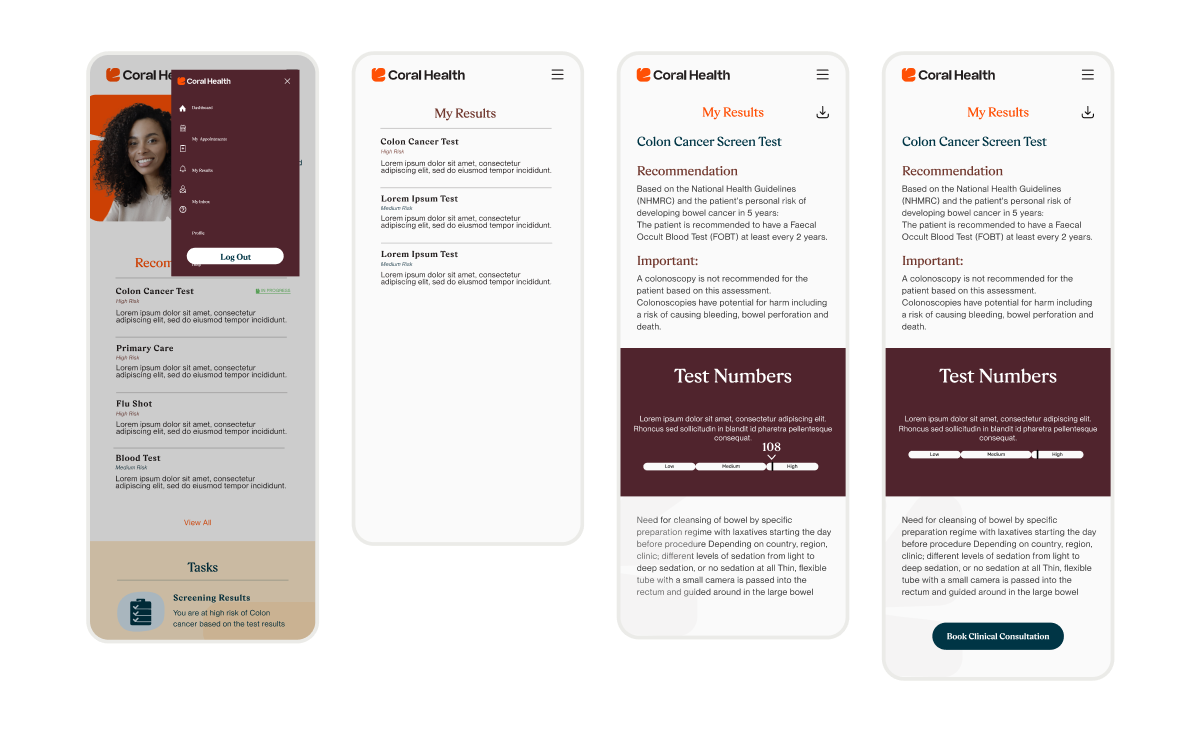
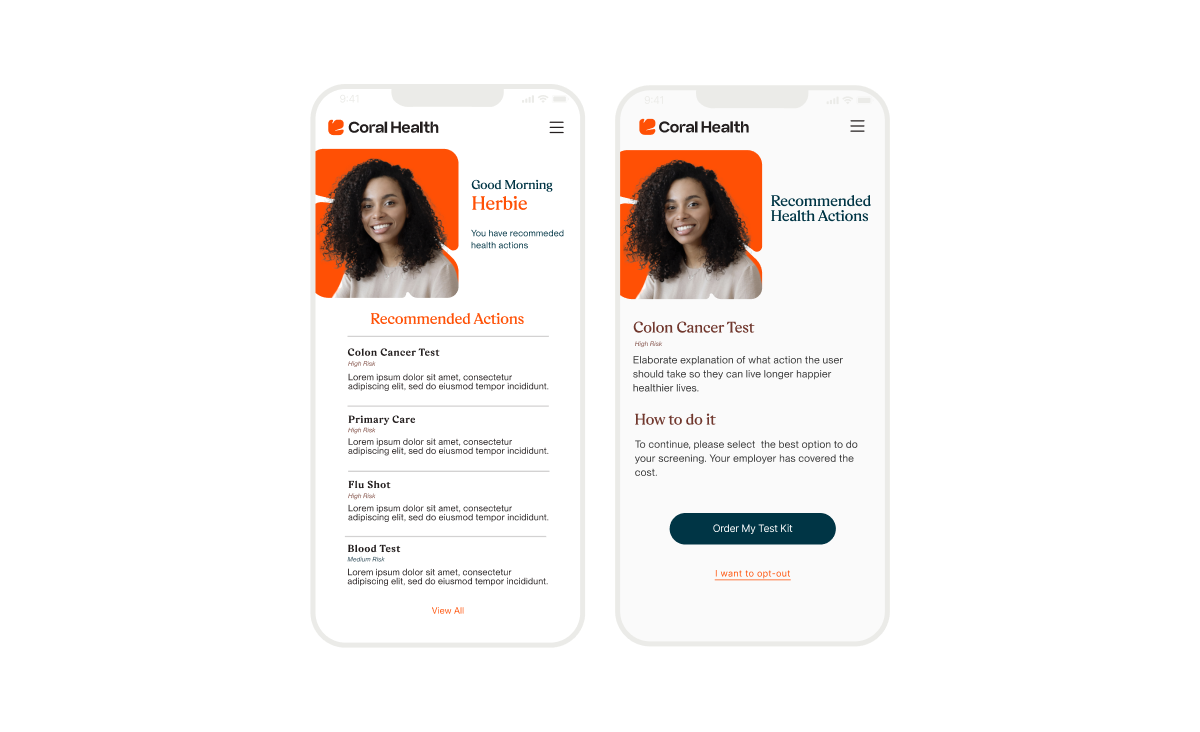
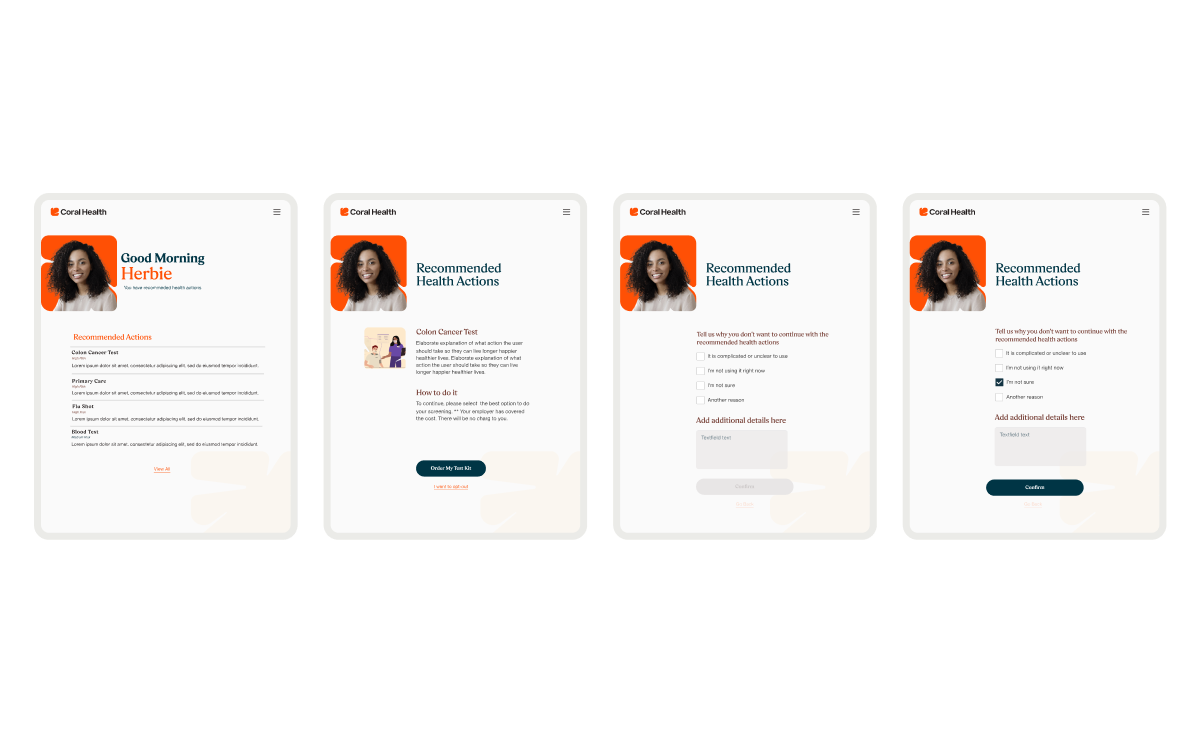
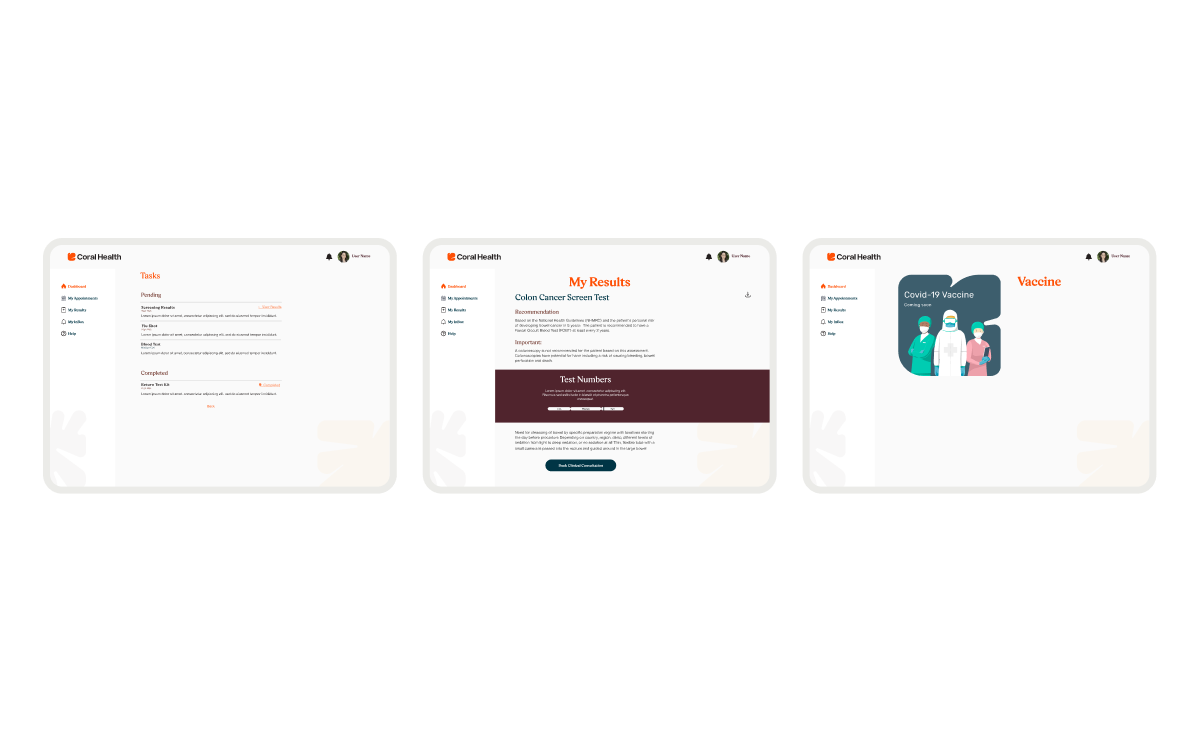
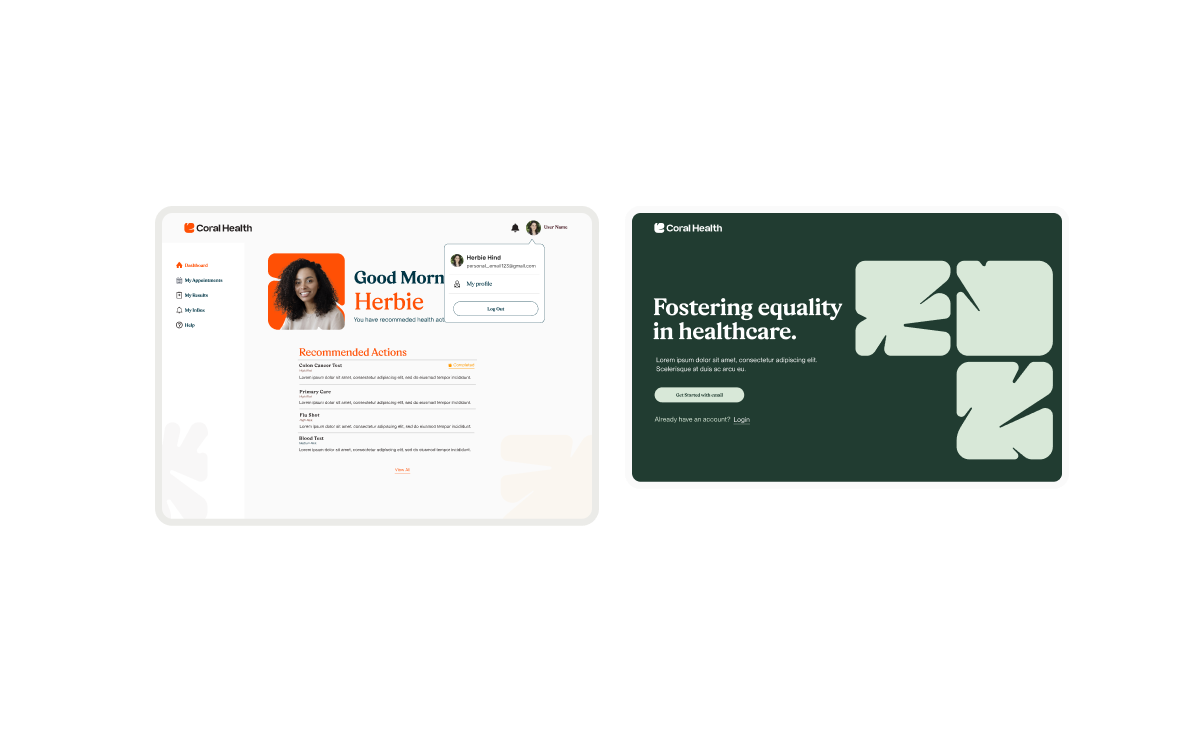
Designed Coral Health’s complete digital platform 0–1:including provider matching algorithms, family management features, and benefits navigation integration.
Unified engineering, product, and healthcare partners to create culturally competent, scalable solutions improving access and outcomes for underserved communities.
Problem Context
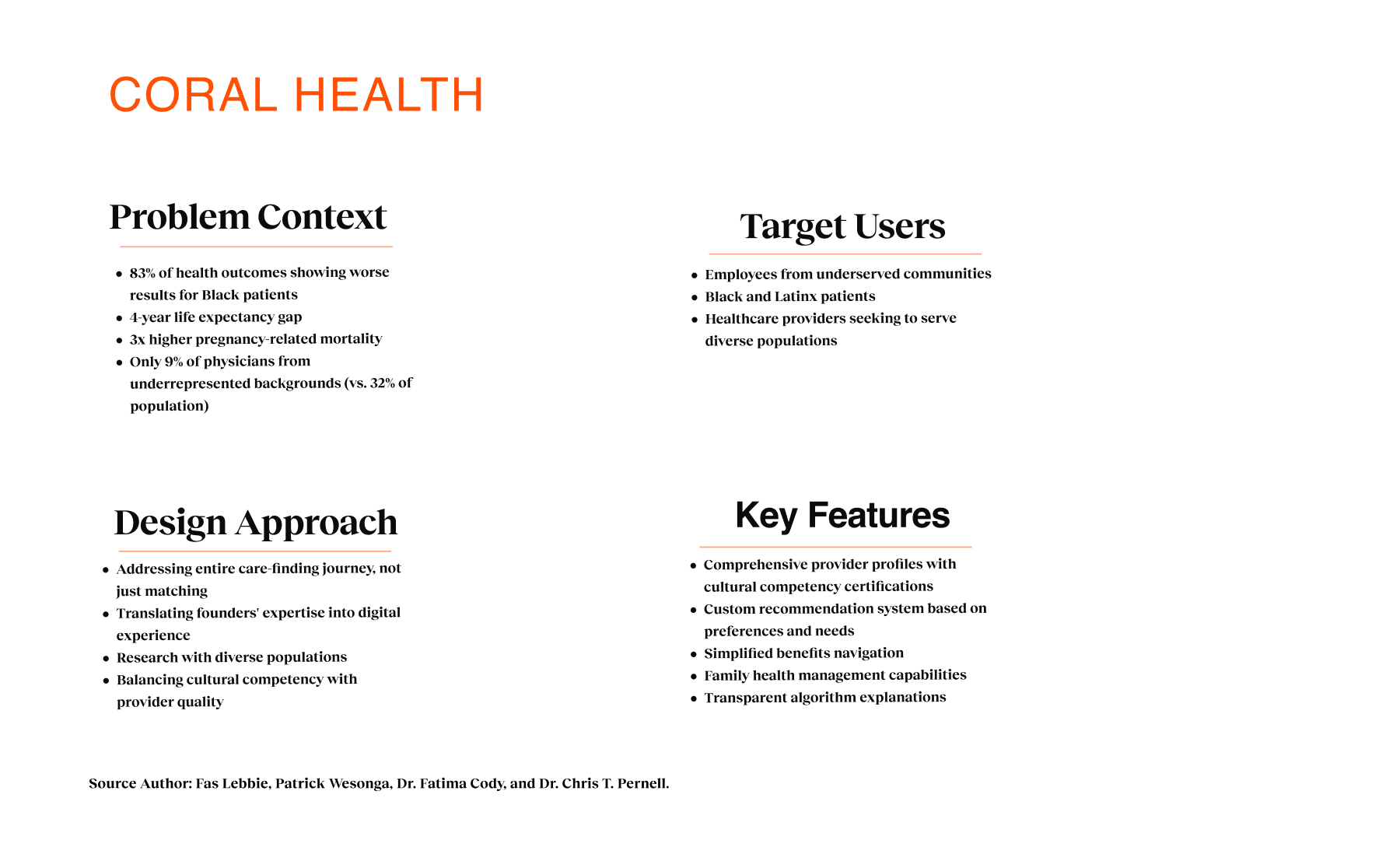
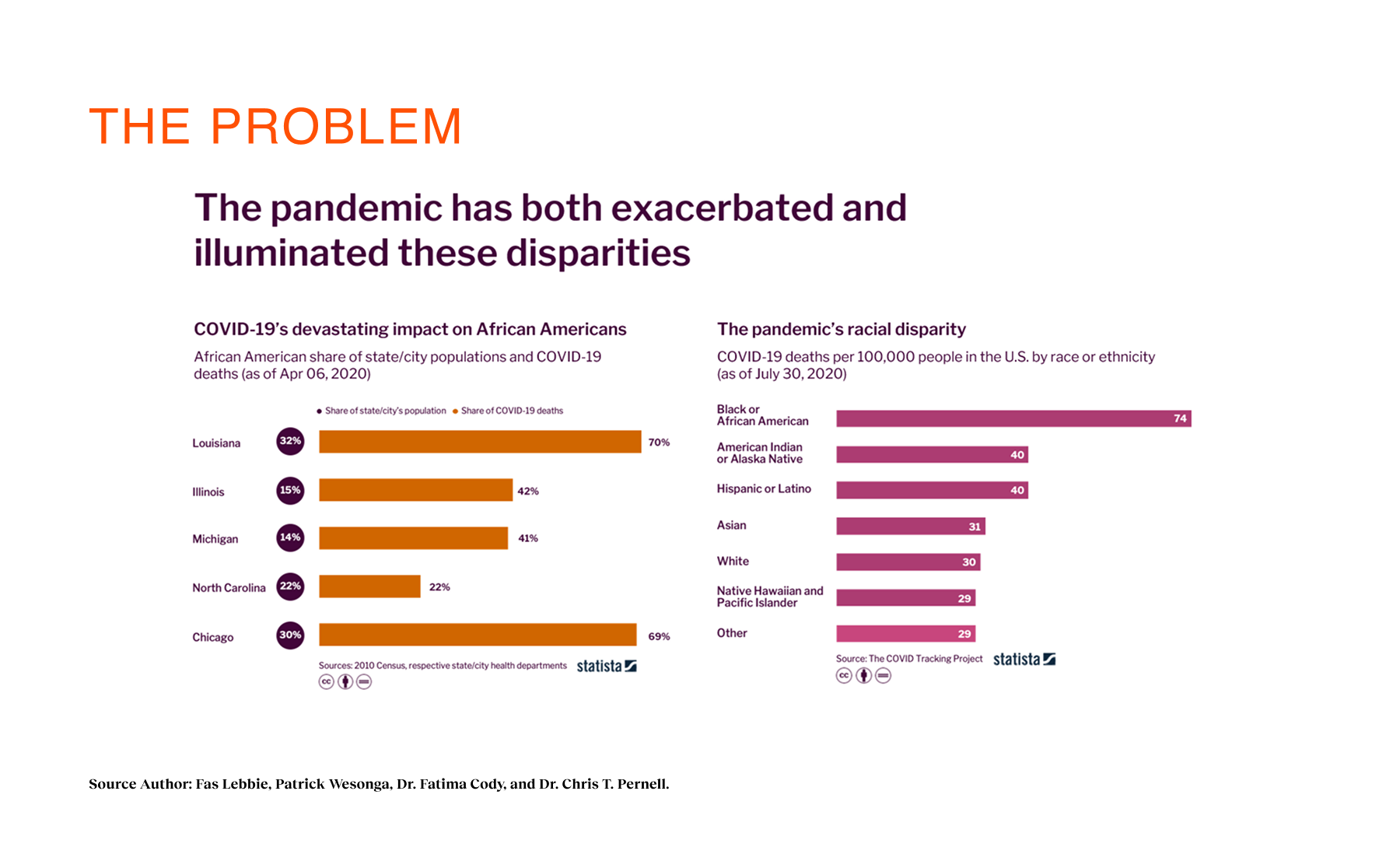
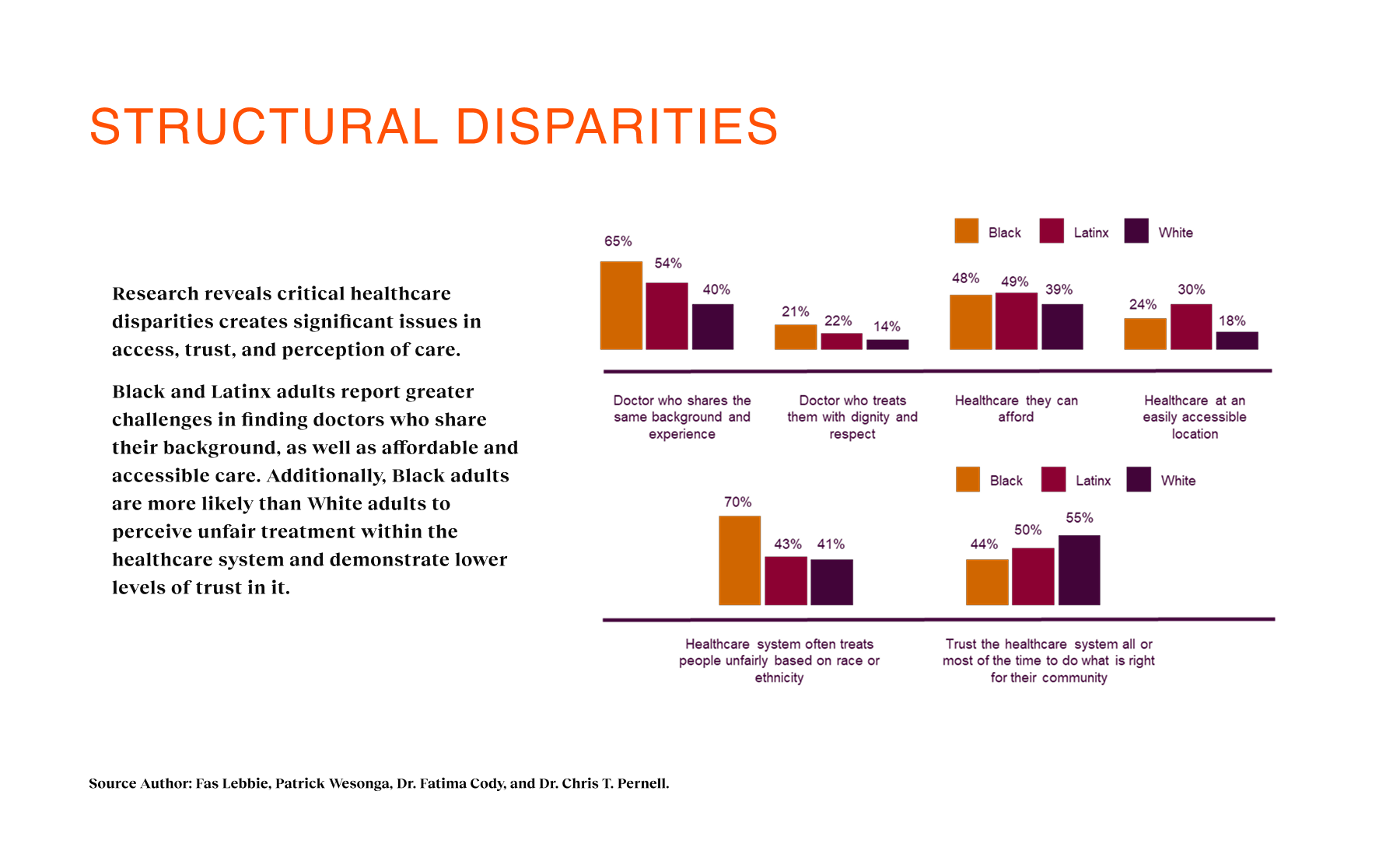
Healthcare disparities represent a critical challenge in the current system, with 83% of health outcomes showing worse results for Black patients compared to white patients. These disparities manifest across all aspects of care, from a 4-year life expectancy gap to 3x higher pregnancy-related mortality rates for Black women. While cultural competency in healthcare delivery could significantly improve outcomes, there’s a severe shortage of diverse providers; only 9% of physicians come from underrepresented backgrounds compared to 32% of the general population. Research revealed the exhausting process of finding providers who truly understand their patients, and these issues are compounded by systemic barriers in accessing culturally competent care. 65% of Black adults and 54% of Latinx adults report difficulty finding providers who share their background and experiences. This issue results in lower trust, reduced engagement, and poorer health outcomes for underserved populations.
My Approach
I applied a user-centered, culturally sensitive design process, starting with in-depth interviews across patients and providers to surface lived experiences of inequity. Through iterative prototyping and continuous feedback loops, the design directly addressed both cultural gaps (trust, representation, empathy) and practical barriers (insurance navigation, appointment access).
Design Process
Some of my early research insights showed significant frustration around appointment times and a lack of cultural understanding for patients of color. Many of these patients pieced together information from insurance directories, provider websites, and online reviews in a time-consuming process. For underserved communities, this fragmentation created extra barriers, with 65% of Black and 54% of Latinx adults struggling to find providers who understood their experiences. These findings showed us that we needed to address the entire journey of finding and accessing care rather than focusing on a single issue.
This research employed a mixed-methods approach, incorporating qualitative user interviews and quantitative data analysis to explore healthcare access barriers. We conducted in-depth interviews with nine patient participants from diverse backgrounds and seven healthcare providers across various specialties. The study began by examining both sides of the healthcare equation, with our team dedicating weeks to discussing patients’ struggles in finding appropriate care and understanding providers’ challenges in serving diverse communities. This methodology aimed to identify cultural competency gaps in healthcare delivery and enhance our understanding of the barriers patients and providers face.
The research showed that many POC participants prioritized provider quality and communication style when seeking healthcare. They also favored personalized experiences which significantly improved engagement and satisfaction. Providers emphasized the need for clear differentiation from existing platforms. We found that removing practical barriers was as crucial as cultural matching, with users valuing streamlined access to benefits information. Additionally, research highlighted the importance of transparency and up-to-date information for building user trust in the recommendation process. These findings informed our feature development strategy. We created comprehensive provider profiles with detailed credentials, cultural competency certifications, and practice philosophies to help users evaluate providers efficiently. We implemented a custom recommendation system based on user preferences and health needs, creating clear value propositions for providers while maintaining quality standards. We integrated a simplified benefits navigation system with our provider recommendations to address practical barriers, reducing administrative friction. Finally, we developed transparent explanations of our recommendation algorithms and regular verification systems for provider information to build trust. Together, these features transformed our platform from a simple directory into a comprehensive healthcare access solution that addresses cultural and practical barriers to care.
Following our research findings, we tested high-fidelity prototypes through moderated usability sessions, task completion analysis, and preference testing. Through these tests, we incorporated key features: comprehensive provider profiles, personalized recommendation systems, simplified benefits navigation, and transparent algorithm explanations. User testing revealed a strong interest in family member management features, reflecting cultural values around collective healthcare decision-making that our initial research hadn’t fully captured. This insight prompted us to incorporate family health management capabilities, allowing users to coordinate care for multiple family members through a single account interface.

AUTHENTIC REPRESENTATION
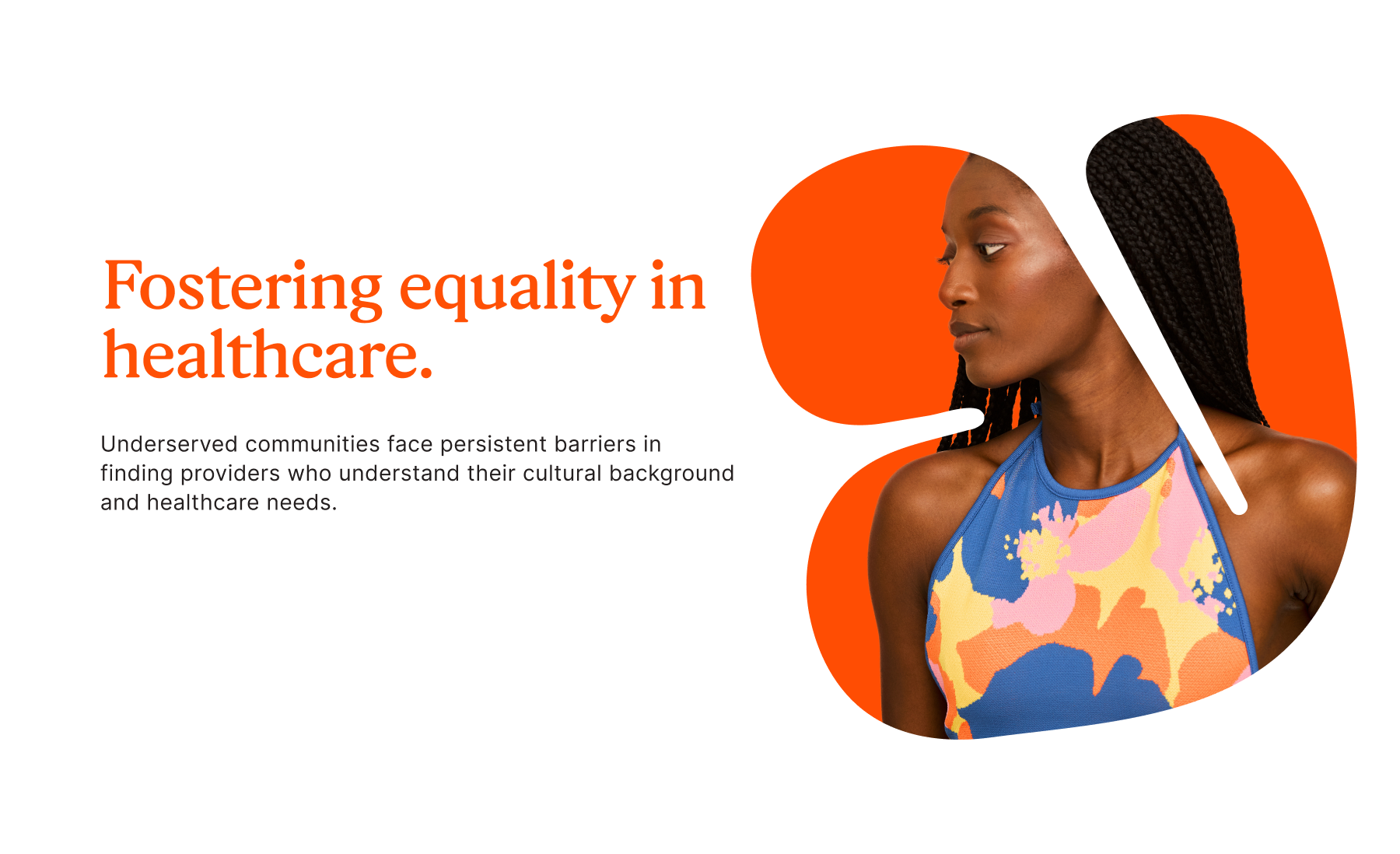
As an African American designer aware of healthcare disparities, I focused on genuine visual storytelling that showcases the diverse communities Coral Health serves. Each image choice aimed to build trust and cultural understanding, steering clear of tokenism while honoring the rich diversity of underserved populations.

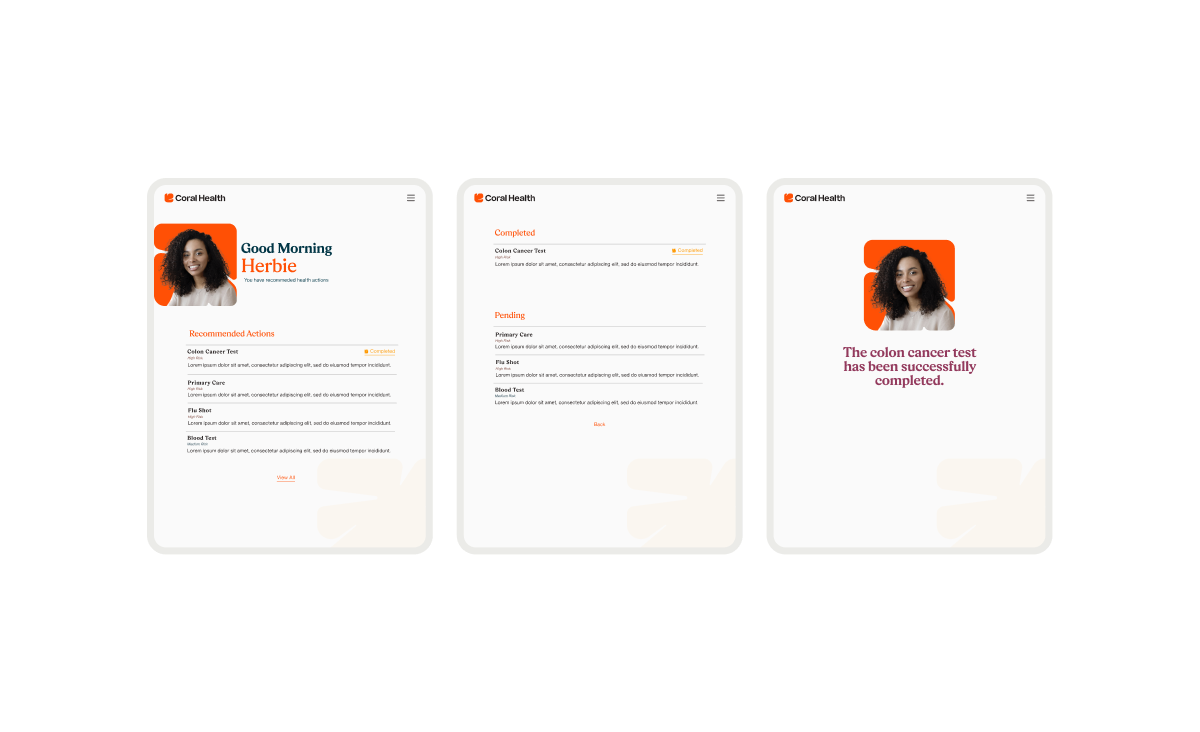

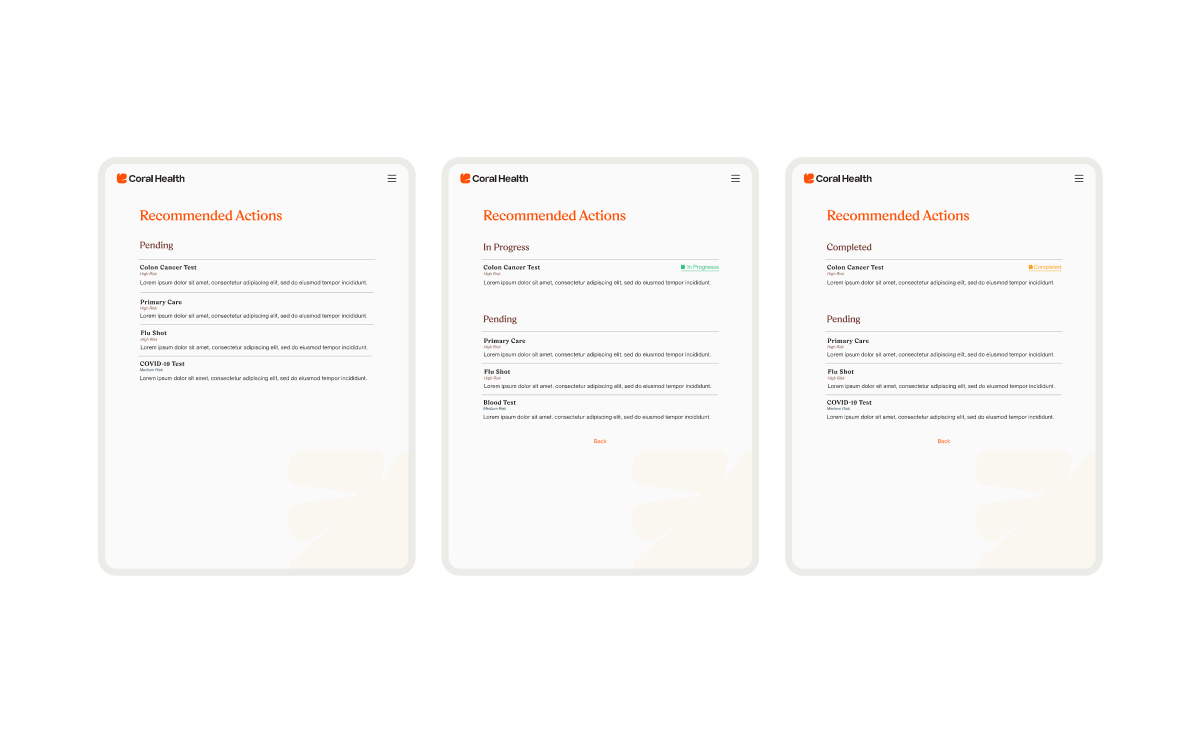
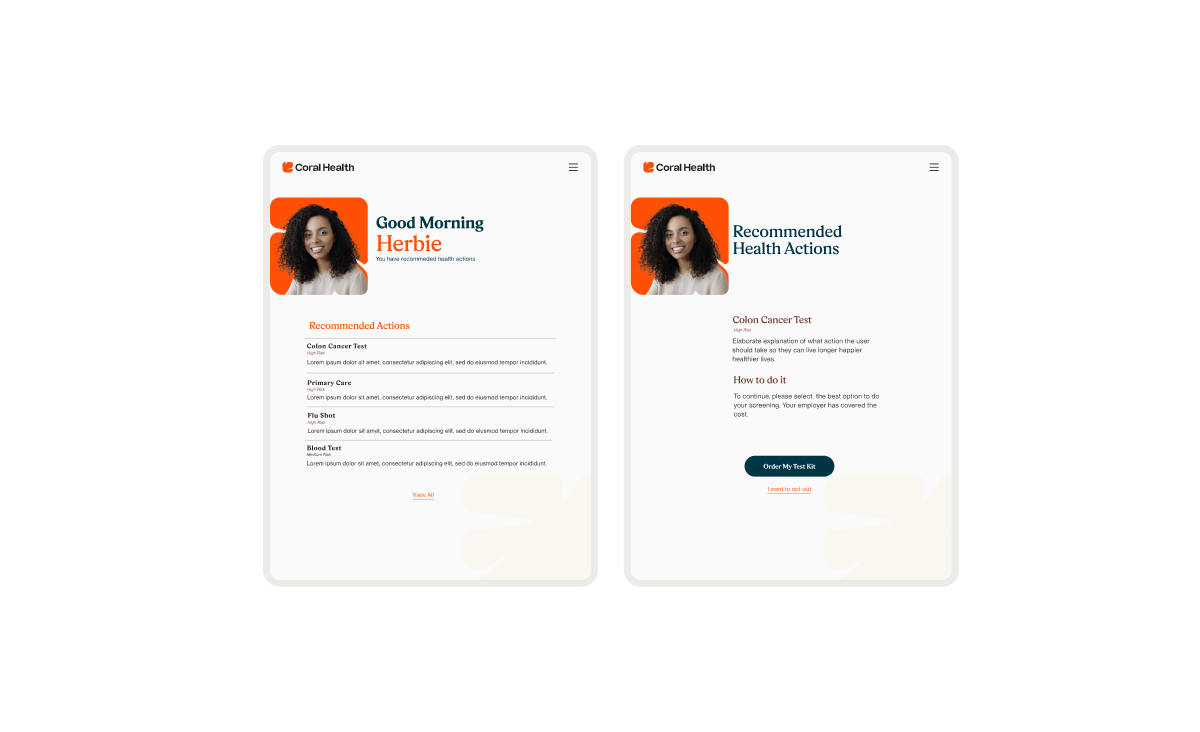
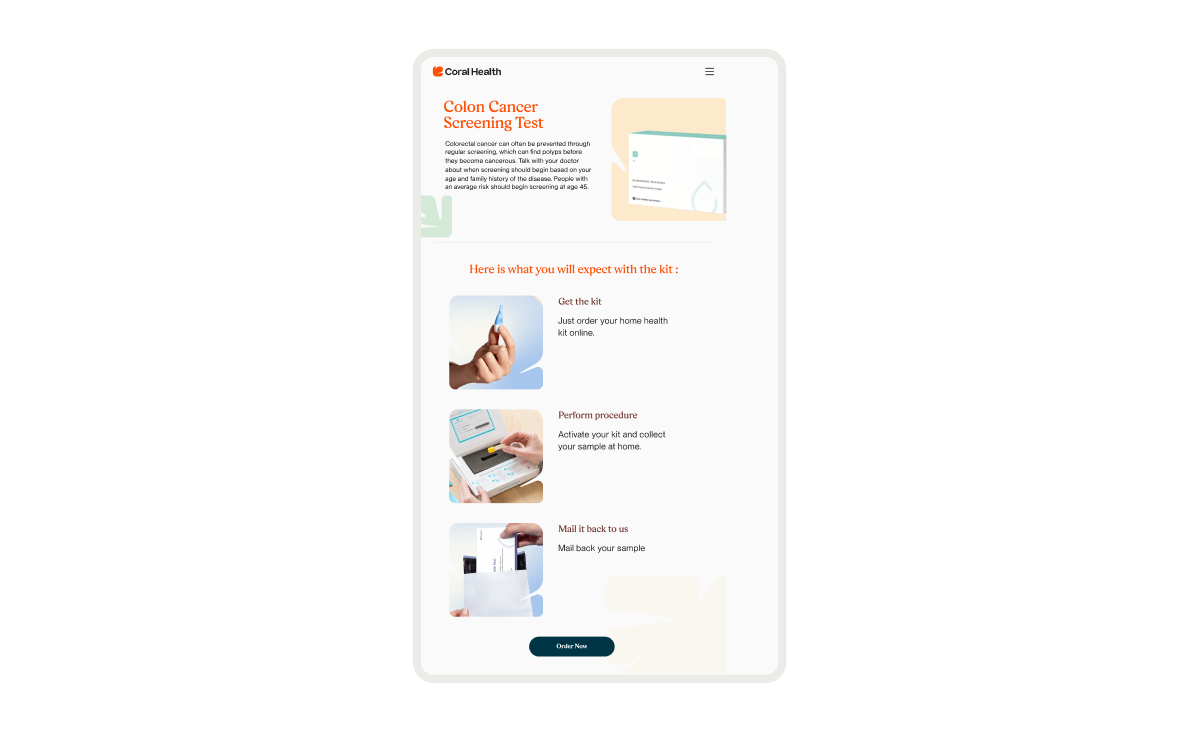
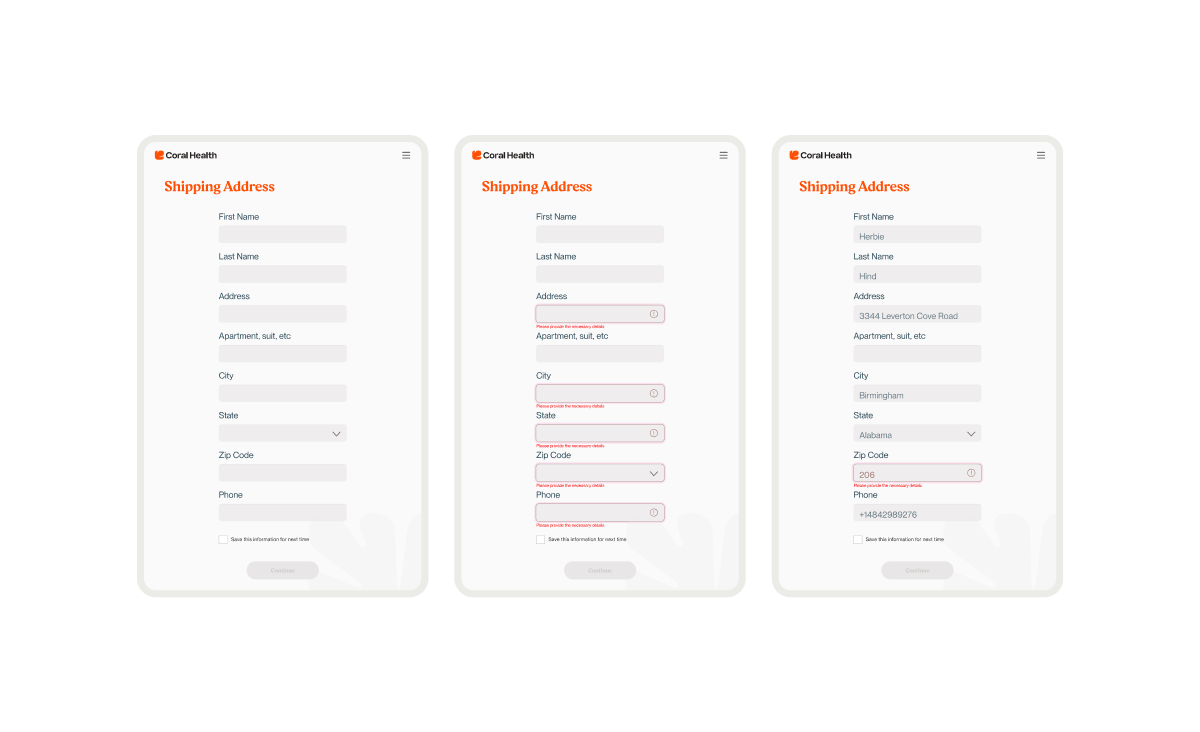

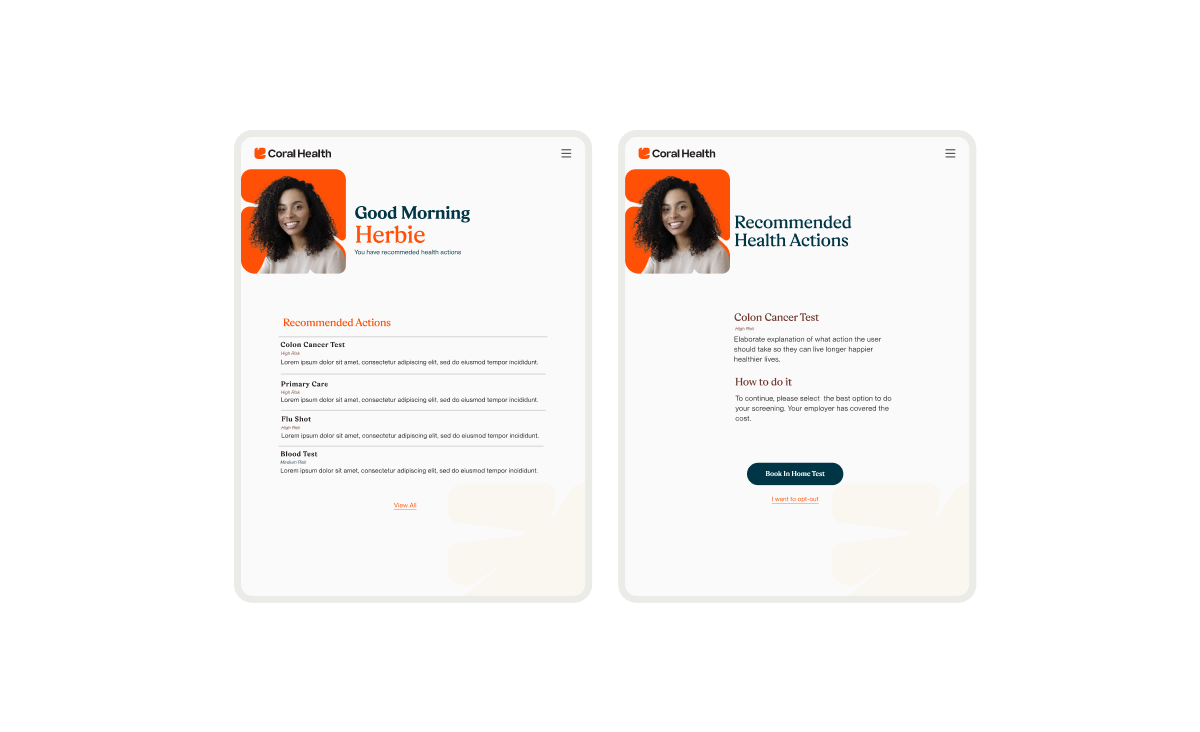

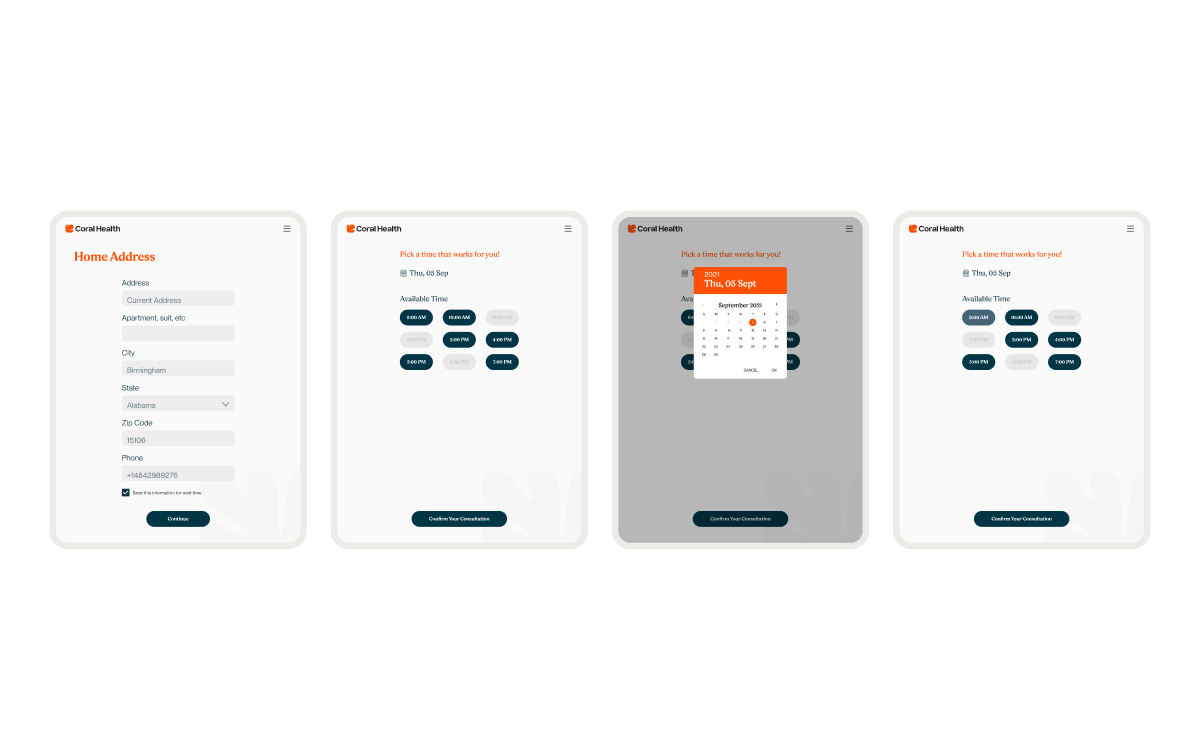
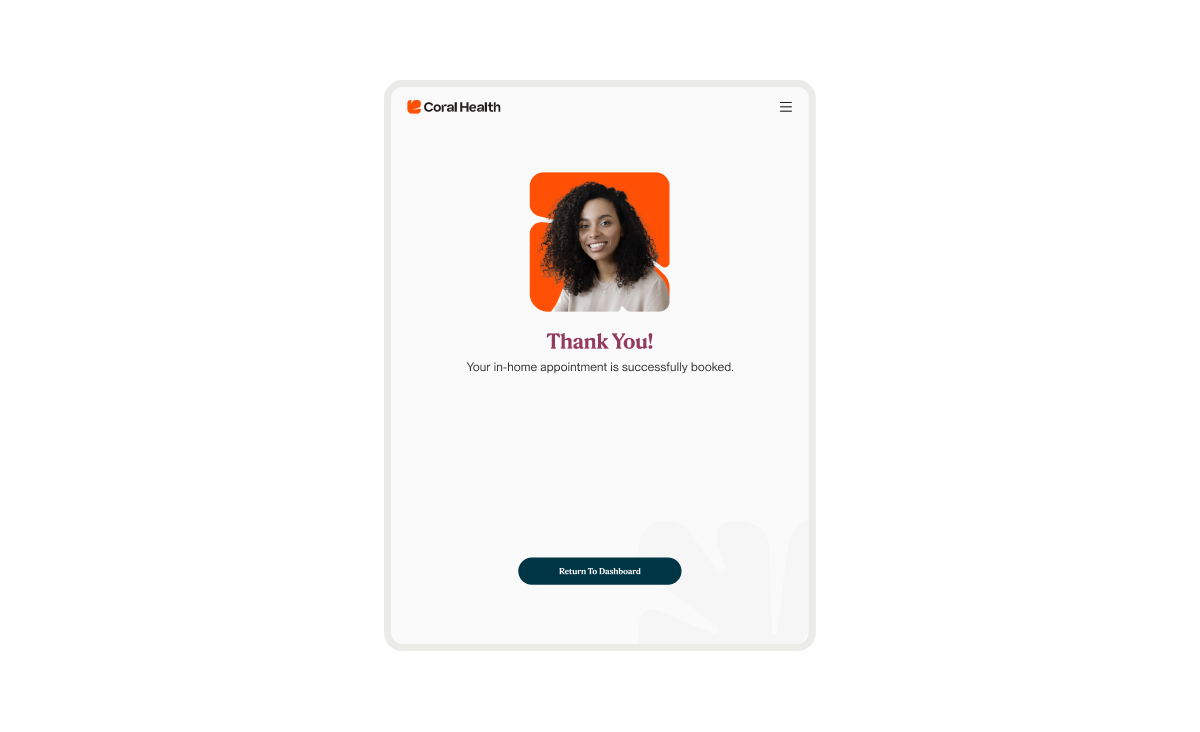


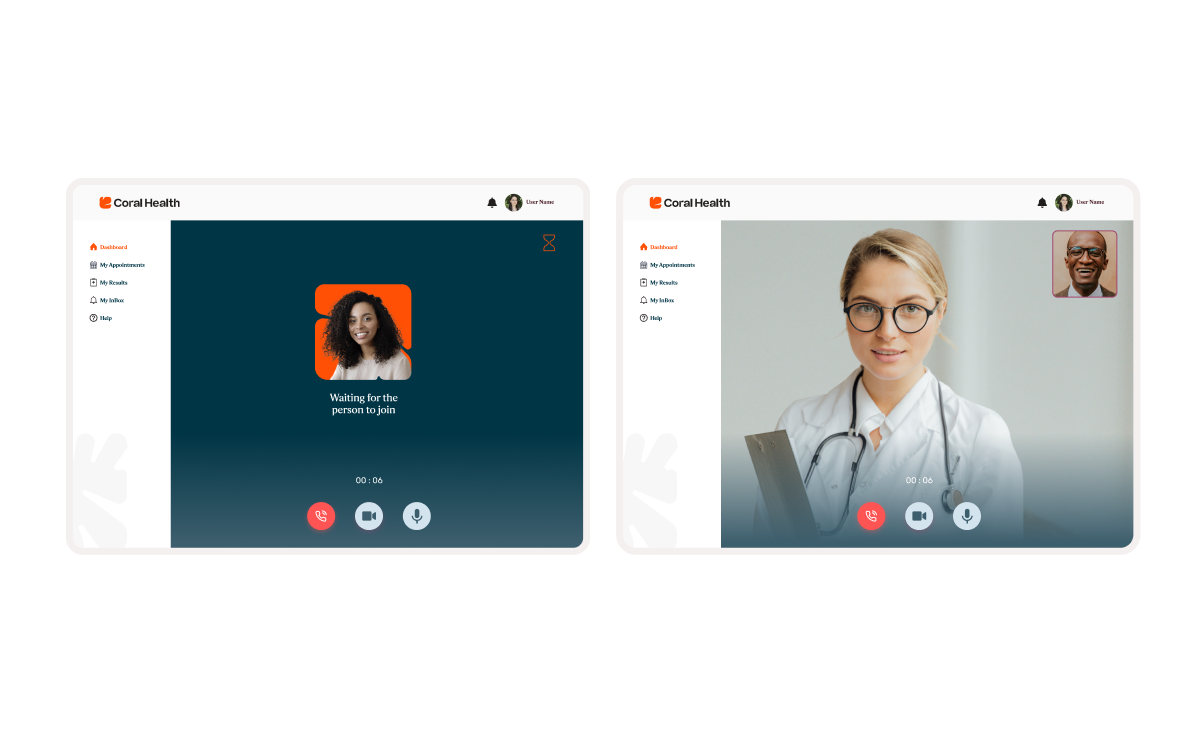

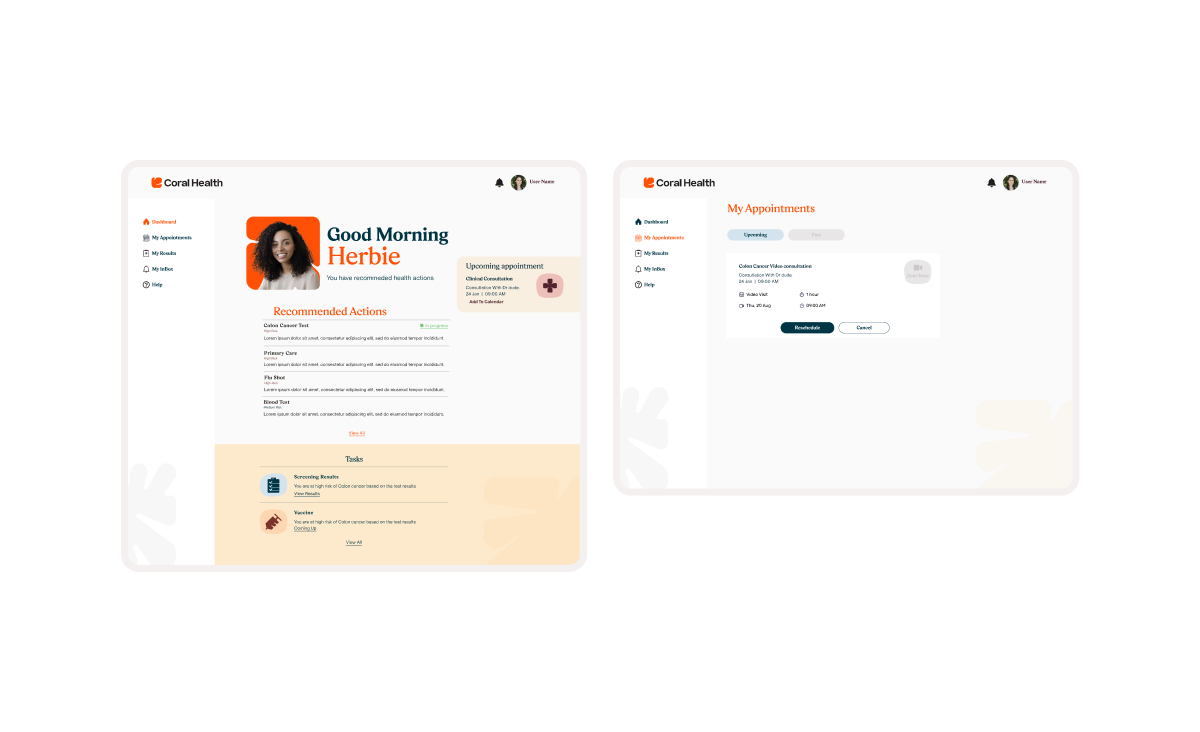
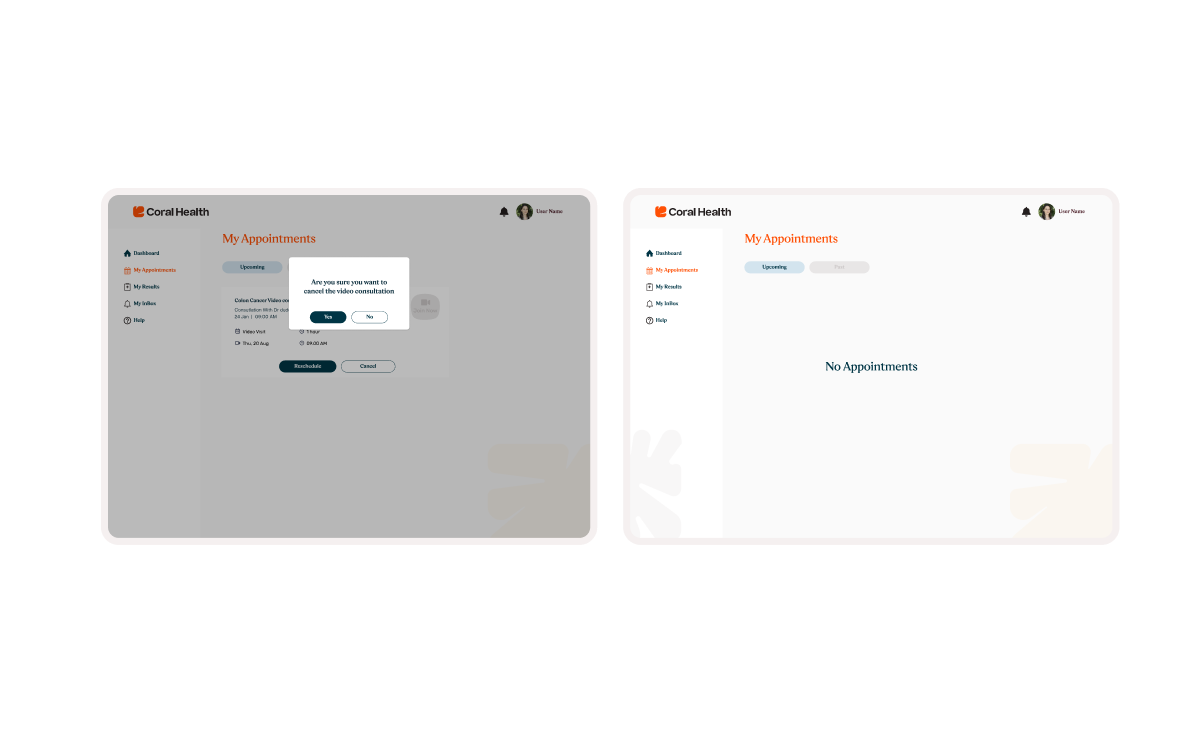


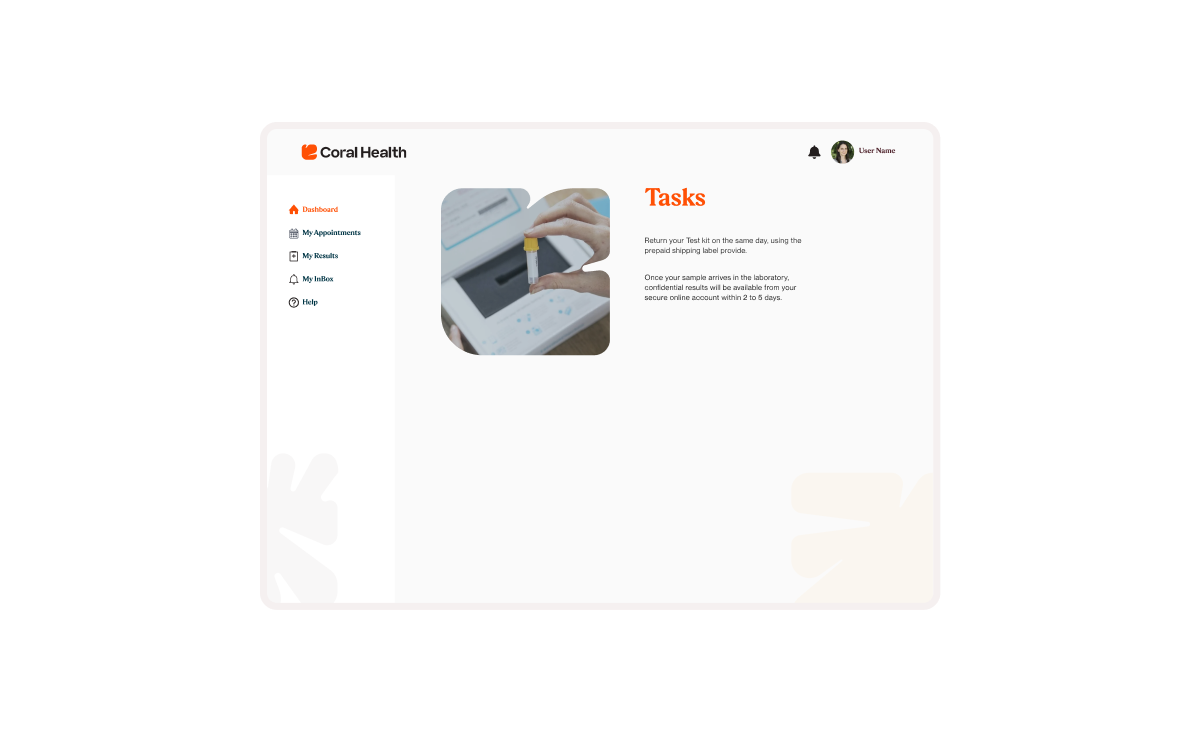
Design Interventions
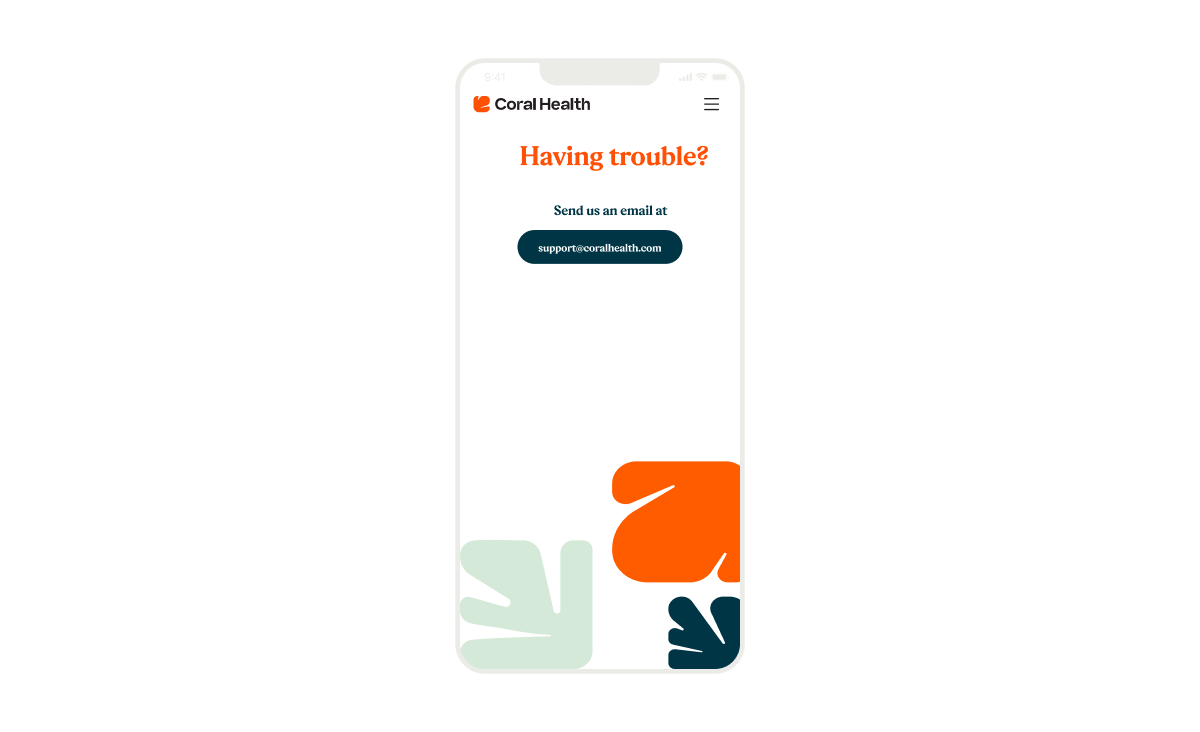
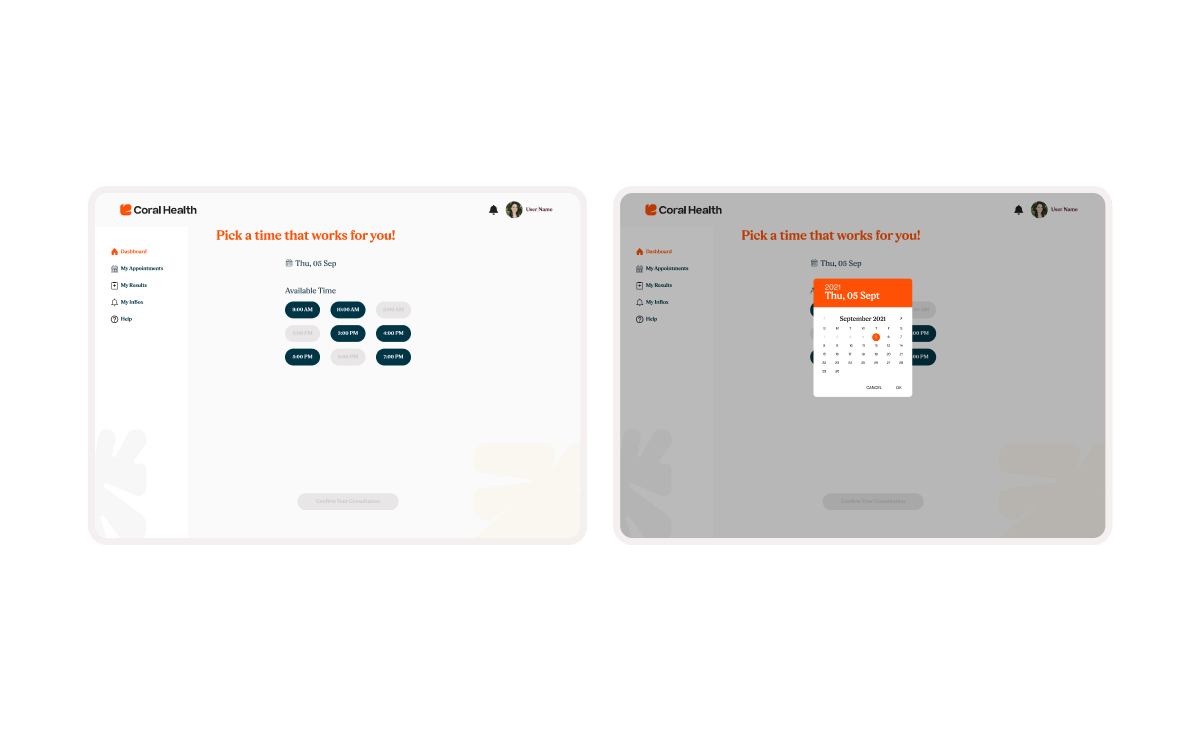
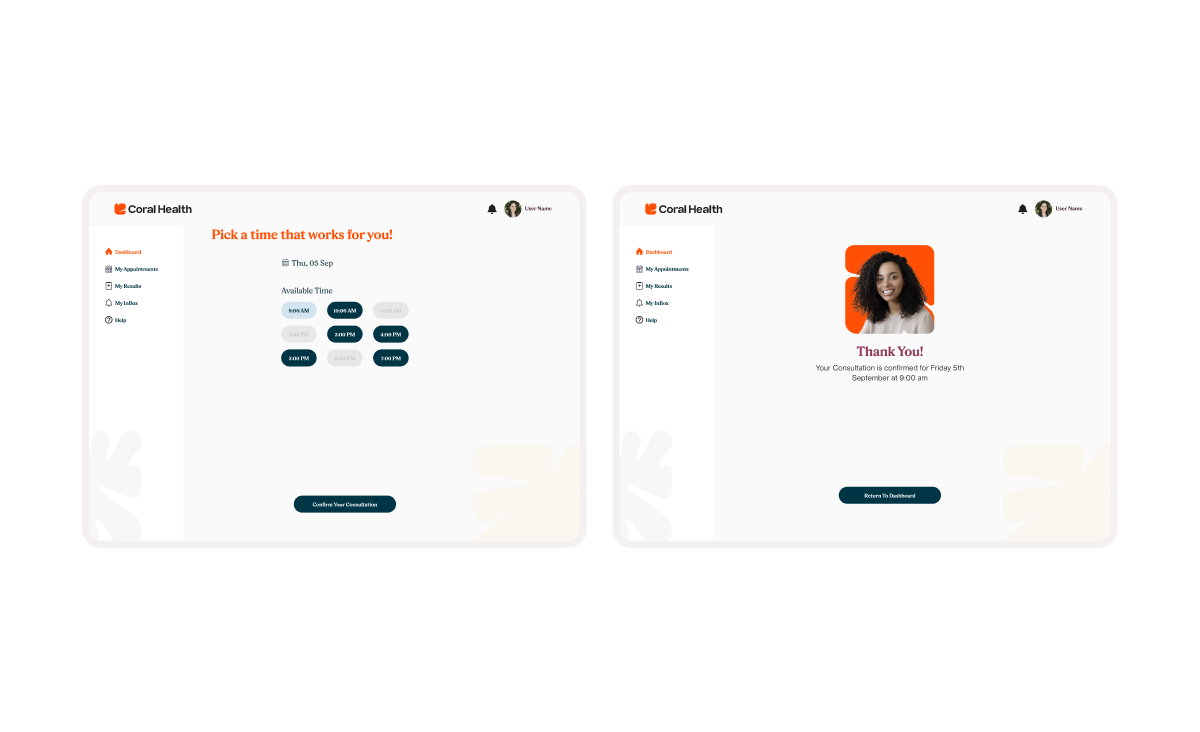
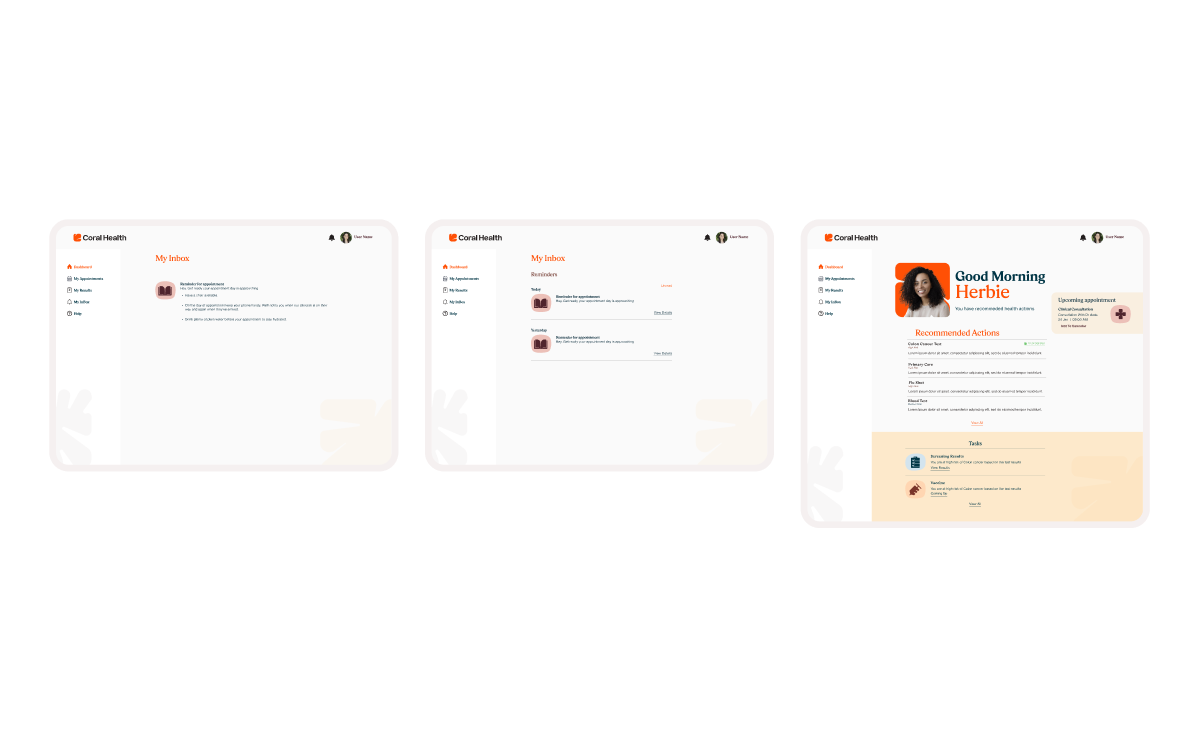
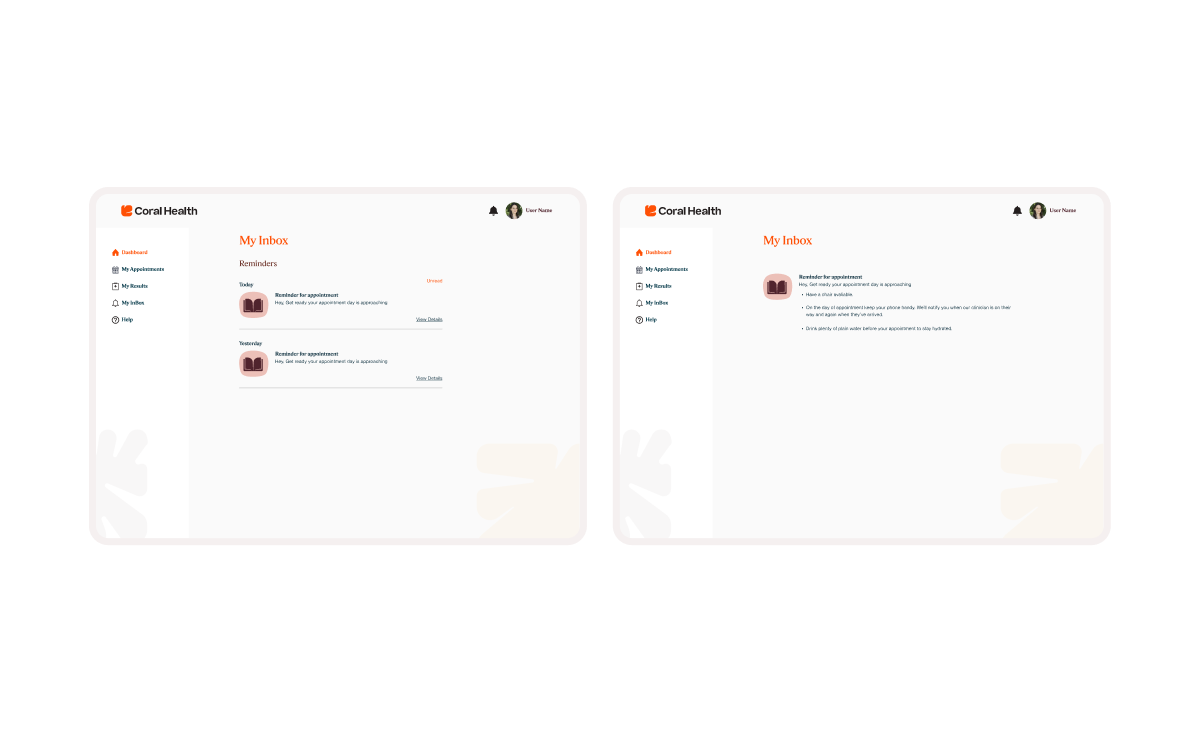
The design intervention targets patients from underserved communities who struggle finding culturally competent providers. Currently, 65% of Black adults and 54% of Latinx adults report difficulty finding providers who understand their experiences. The Coral Health digital platform uses matching algorithms to connect patients with culturally competent providers and provides navigation support. The platform connects patients with providers who understand their cultural context, and it provides engagement tools and resources so patients can make informed healthcare decisions. By streamlining cultural matching, 75% of users find and stick with trusted providers.

Empowering You to Truly be Their Advocate
Coral Health is an actionable way to support your organization's diversity, equity, and inclusion commitment by helping culturally diverse people within your organization feel a sense of safety, understanding, and belonging in healthcare situations.


Research Outputs
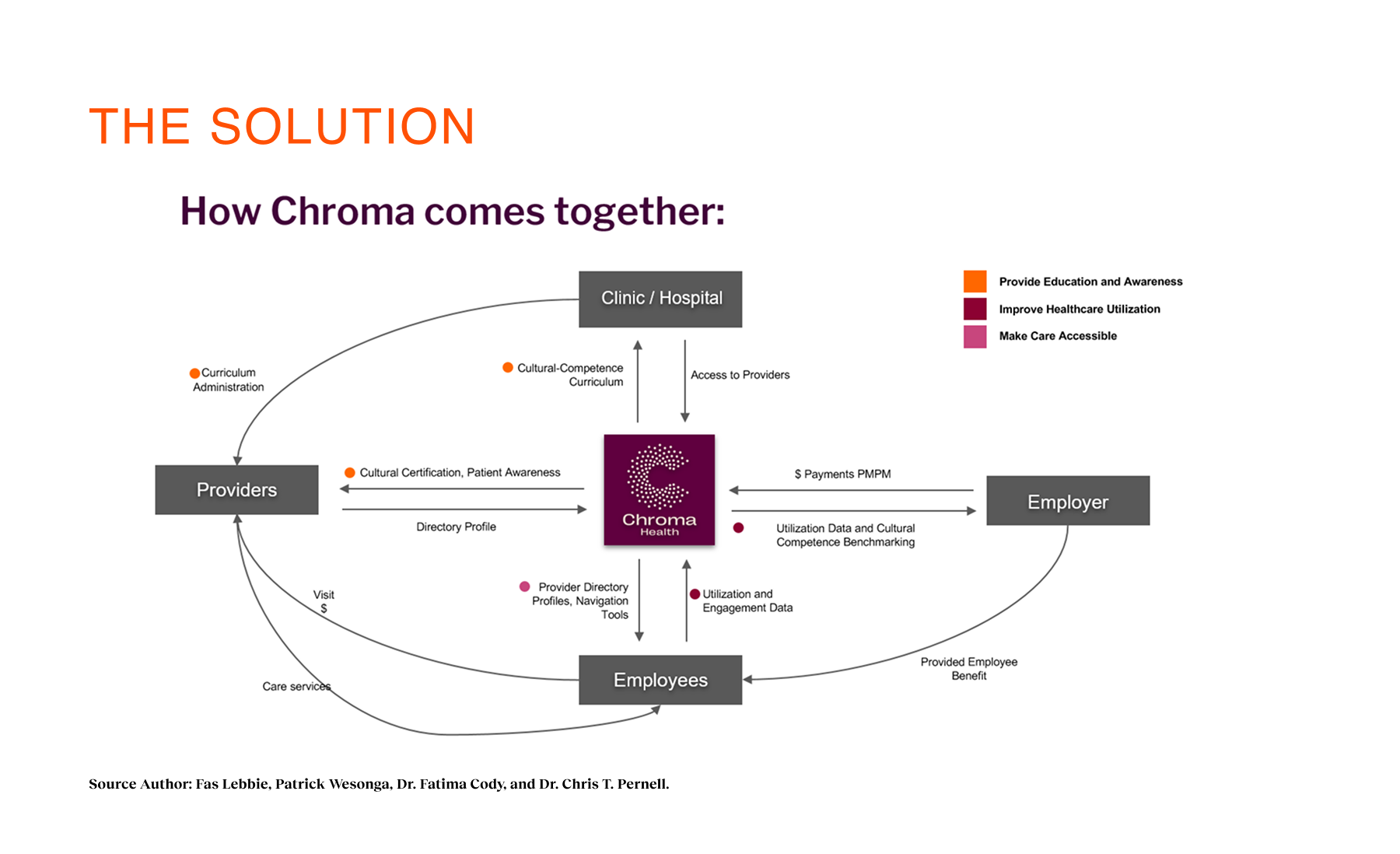
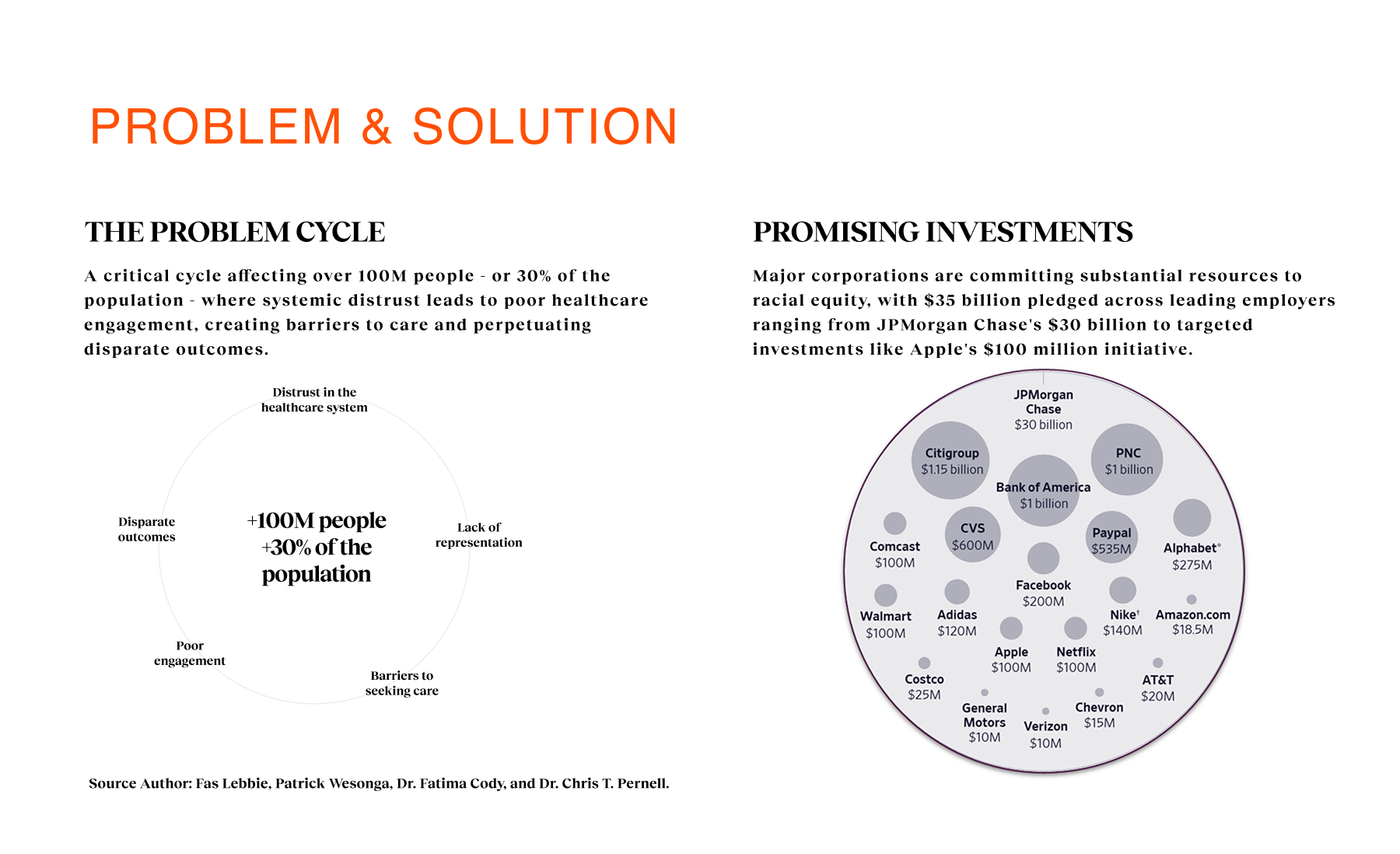
Research conducted captured disparities and opportunities. Problem context and structural disparity charts helped reveal systemic inequities, while the Value Proposition Canvas aligned user pains with solution features. The Theory of Change helped us understand what the big pains are and what we considered success to look like. It also mapped inputs to equity outcomes, and solution system mapping illustrated provider, employer, and patient interactions.
Black Adults Previously Unable To Find Providers
Barrier reduced through targeted cultural-matching features.
Latinx Adults Facing Provider Access Issues
Streamlined access to understanding, aligned healthcare professionals.
Physicians from Underrepresented Groups
System designed to expand networks and bridge the shortage.
Reflections & Impact
Coral Health was founded on the vision of advancing healthcare equity, led by pioneers Dr. Fatima Cody Stanford and Dr. Chris T. Pernell. My role was to translate their expertise into a scalable digital experience by conducting research with diverse patient populations and designing the experience architecture. The result was the first comprehensive cultural competency matching platform, integrating provider profiles, personalized navigation, and family management tools. Within the project timeline, Coral Health achieved a 75% user retention rate through smart provider matching, directly addressing barriers that prevented patients from finding trusted care. These features became central to marketing campaigns while laying the foundation for provider network growth, employer partnerships, and cultural competency training. By aligning design with lived cultural experience, Coral Health is improving access for underserved communities and establishing a new model for systemic healthcare equity, reshaping how providers and patients connect across diverse populations.
Next Steps
- Expand provider network by adding culturally diverse clinicians across specialties to strengthen matching accuracy and close representation gaps.
- Develop employer partnerships to integrate Coral Health into workplace healthcare benefits and broaden access for underserved employees.
- Launch cultural competency training to certify providers, expanding the pool of clinicians equipped to deliver equitable, culturally sensitive care.
- Enhance family care features with advanced tools that support collective decision-making and multi-member healthcare journeys.